Do you spend most of your day sitting at a desk, working on a laptop or watching television? Many people follow a routine that involves sitting for several hours with very little physical activity.
While sitting is a normal part of daily life, staying in the same position for long periods can make your body feel stiff and uncomfortable. You may notice tight shoulders, a tired back or a feeling of low energy after spending hours at your desk.
One simple way to change this routine is to take short movement breaks throughout the day. You do not need a gym membership or a long workout session. Standing up, walking around or doing a few gentle stretches can help you add more movement to your daily schedule.
The benefits of taking movement breaks include giving your body a chance to change positions, reducing long periods of inactivity and making your work routine feel more comfortable.
1. They Help Break Long Sitting Periods
When you are busy with work, it is easy to sit for two or three hours without noticing the time.
Taking a short break gives you a reason to stand up and move. You can walk around your room, get a glass of water or simply stand near a window for a few minutes.
These small activities may not feel like exercise, but they help break up long periods of sitting.
Try setting a gentle reminder if you often forget to move during work. You can begin with a short break every hour and adjust it according to your schedule.
2. They Can Help You Feel Less Stiff
Staying in one position for a long time can make your neck, shoulders, hips and back feel stiff.
A few gentle movements can help you change your posture and make your body feel more comfortable.
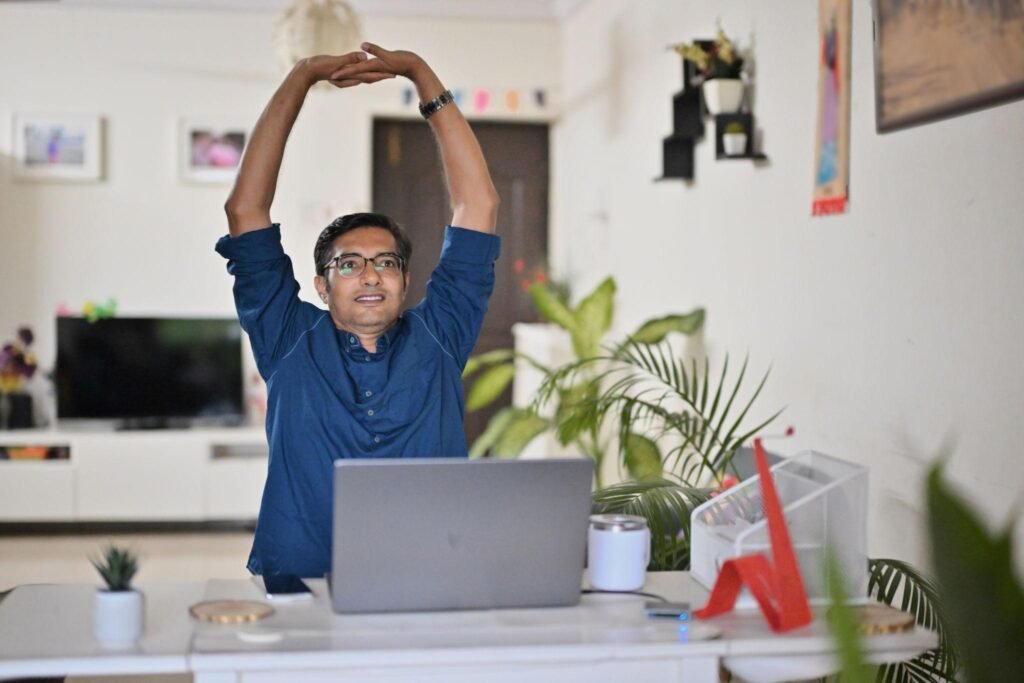
For example, roll your shoulders slowly, stretch your arms or stand up and take a short walk. If you work at a desk, adjust your sitting position and avoid leaning forward for long periods.
Always move within a comfortable range. Avoid sudden movements or stretches that cause pain.
3. They Give Your Eyes a Rest From Screens
People who work on computers or use mobile phones for long hours may experience tired eyes.
A movement break can also be a useful opportunity to look away from the screen. Stand up, look outside a window or focus on something at a distance for a short while.
You can follow the 20-20-20 approach as a simple reminder: after every 20 minutes of screen use, look at something around 20 feet away for 20 seconds.
This small habit can help you remember to give your eyes regular breaks during screen-based work.
4. They Can Refresh Your Mind
Working continuously without a break can make it difficult to stay focused, especially when you have several tasks to complete.
A short walk or a few minutes away from your desk can give you a mental pause.
You might feel more ready to return to your work after stepping away from a difficult task. A quick break can also help you organise your thoughts before starting something new.
You do not need to spend a long time away from your work. Even a few minutes of movement can make your routine feel less repetitive.
5. They Encourage Better Daily Activity Habits
Many people believe that physical activity only means going to the gym, running or doing a full workout.
However, everyday movement also matters. Walking to another room, using the stairs when suitable, watering plants or doing light household tasks can add activity to your day.
Movement breaks can help you build these small habits without making your schedule complicated.
They are not a replacement for regular exercise, but they can be a useful addition to a more active lifestyle.
6. They Can Make Work From Home More Comfortable
Working from home often means sitting in the same place for long hours. Some people move less because they do not need to walk between office rooms or travel to meetings.
You can make your home work routine more active by taking short breaks between tasks.
For example, stand up after finishing an email, walk around while listening to an audio meeting when appropriate or stretch gently after completing a long assignment.
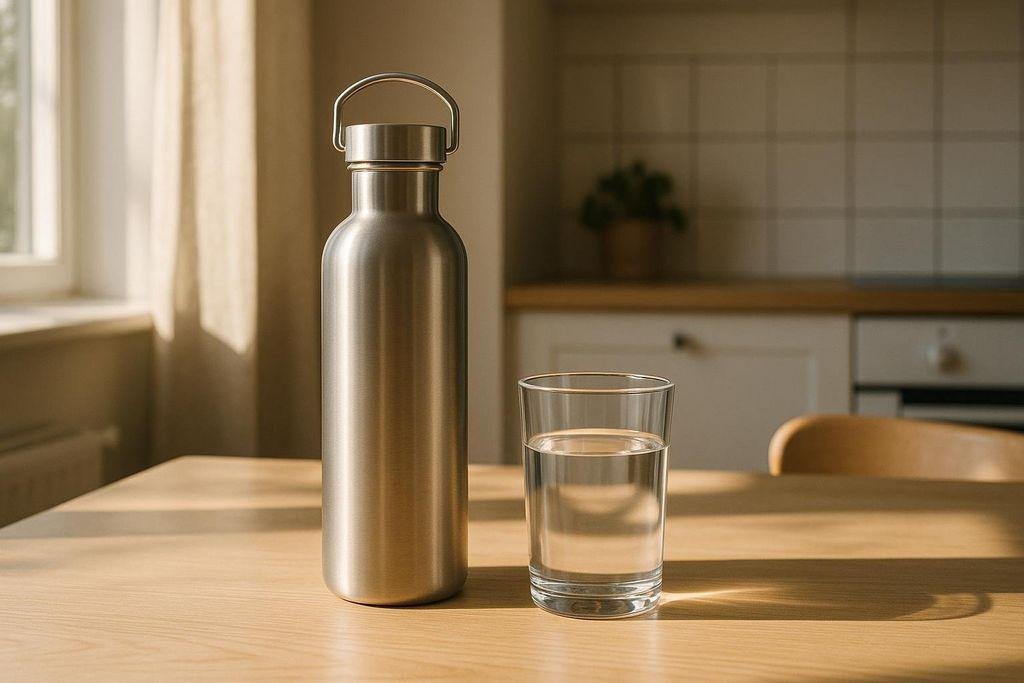
You can also keep your water bottle a little away from your desk so that you have a reason to stand up and refill it.
7. They Help You Build a More Balanced Routine
Small habits are often easier to maintain than sudden lifestyle changes.
Instead of trying to exercise for an hour every day when your schedule is already busy, begin by adding a few short movement breaks.
You can connect them with activities you already do. Stand up after a phone call, walk around after finishing a meeting or move gently before sitting down for another task.
Over time, these reminders can make regular movement a natural part of your day.
Easy Movement Break Ideas to Try
You do not need special equipment or a large space to get started. Try these simple activities during suitable breaks:
- Walk around your home or office for a few minutes.
- Stand up and gently stretch your arms.
- Roll your shoulders slowly to change your position.
- Walk to refill your water bottle.
- Take the stairs if they are comfortable and safe for you.
- Step outside for some fresh air when possible.
- Do a few gentle movements after long periods at your desk.
Choose activities that suit your comfort and ability. If you have an injury, pain or a health condition that affects movement, seek suitable professional advice before starting new exercises.
Final Thoughts
Spending long hours sitting can become part of a busy routine, but adding movement does not have to be difficult. Short breaks give you an opportunity to change positions, stretch gently and step away from screens.
Start with one or two movement breaks during your workday and gradually make them a regular habit. Small actions, repeated consistently, can help you build a more active and comfortable daily routine.