
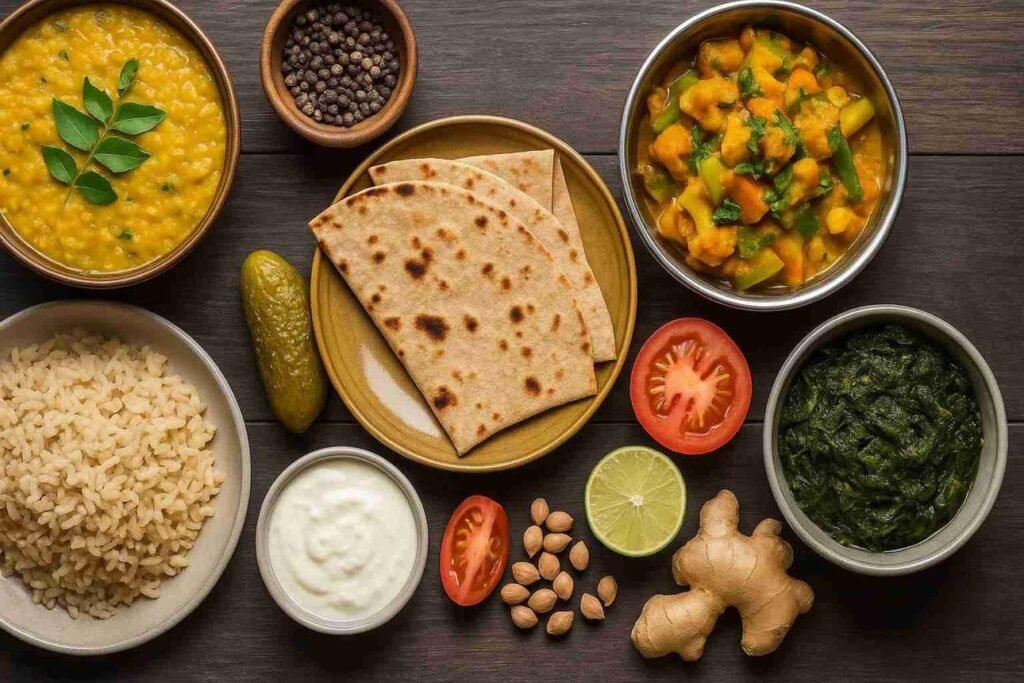
Many people focus on eating enough protein and vitamins but often forget about fibre. Fibre is an important part of everyday eating, yet it does not always get enough attention when people plan their meals.
It is naturally found in foods such as fruits, vegetables, whole grains, beans, lentils, nuts and seeds. Including a variety of these foods in your daily diet can make your meals more balanced.
The good thing is that you do not need expensive products or special recipes to eat more fibre. Several simple changes in your regular Indian meals can help you include it throughout the day.
Here are seven easy ways to add more fibre to your daily diet.
1. Choose Whole Fruits Instead of Fruit Juice
One of the easiest ways to include fibre is to eat whole fruits regularly. Apples, guavas, pears, oranges, bananas and papayas are some convenient options.
When you eat a whole fruit, you get its natural fibre along with other nutrients. Fruit juice, even when prepared at home, usually contains less fibre because much of the pulp is removed during preparation.
Try keeping seasonal fruits at home so that they are easy to reach when you feel hungry between meals.
You can also add chopped fruits to plain curd or enjoy them as part of your breakfast.
2. Add More Dal and Beans to Your Meals
Dal and beans are common ingredients in Indian kitchens. They are useful sources of fibre and can be included in different meals without much effort.
Moong dal, masoor dal, chana, rajma, lobia and chickpeas are some options you can try.
You can have dal with roti or rice, prepare chana salad, or make a simple rajma curry for lunch. These foods also bring variety to your everyday menu.
If you do not usually eat beans, start with small portions and increase them gradually according to your comfort.
3. Replace Refined Grains with Whole Grains
White bread, refined flour products and polished grains are common parts of many meals. You can make your food choices more varied by including whole grains more often.
Whole-wheat atta, oats, dalia, brown rice and millets are some options.
For example, try making vegetable dalia for breakfast or using whole-wheat bread for a sandwich. You can also include millet-based dishes in your weekly meal plan.
There is no need to remove all your favourite foods. Simply replacing some refined grain options with whole grains is a practical way to improve variety.
4. Include Vegetables in More Meals
Vegetables are an important source of fibre, and there are many ways to add them to your daily meals.
Carrots, green peas, beans, broccoli, cabbage, spinach and cauliflower are some options. You can prepare them as sabzi, add them to pulao or use them in homemade sandwiches.
Try including at least one vegetable-based dish with your main meals.
If you have a busy routine, wash and prepare vegetables in advance. Keeping them ready in the refrigerator can make everyday cooking easier.
5. Snack on Nuts and Seeds
Many people choose biscuits, chips or packaged snacks when they feel hungry between meals. Nuts and seeds can be another option to include in your routine.
Almonds, walnuts, peanuts, chia seeds, flaxseeds and pumpkin seeds contain fibre along with other nutrients.
You can add a small amount of seeds to curd, oats or homemade smoothies. A small serving of nuts can also be enjoyed as a snack.
However, portion size matters because nuts and seeds are energy-dense foods. Choose a suitable quantity rather than eating large amounts at once.
6. Try Sprouts in Your Weekly Menu
Sprouts are another simple way to add variety to your meals. Moong sprouts, black chana sprouts and other legumes can be used in salads and homemade snacks.
You can prepare a simple sprouts chaat with chopped cucumber, tomato, onion and lemon juice. They can also be added to sandwiches or enjoyed alongside your regular breakfast.
If you prepare sprouts at home, maintain good hygiene. Wash the ingredients properly and store them safely. Cooking sprouts is a suitable option for people who prefer not to eat them raw.
7. Increase Fibre Slowly and Drink Enough Water
If your usual diet contains very little fibre, avoid making several major changes in one day.
Adding too much fibre suddenly may cause bloating or discomfort for some people. Start by including one extra fruit, a vegetable dish or a small serving of beans in your meals.
Also, remember to drink enough water throughout the day. Water is an important part of a balanced routine, especially when you are increasing the amount of fibre in your diet.
Pay attention to how your body responds and make changes gradually.
Build a Fibre-Rich Eating Routine
Eating more fibre does not require a complete change in your lifestyle. Small choices, such as eating whole fruits, choosing whole grains and adding dal or vegetables to meals, can make a difference to your daily food variety.
You can begin with one or two changes and slowly include more fibre-rich foods in your weekly menu.
Choose different foods instead of depending on just one source. A varied diet, suitable portions and enough water can help you build a practical eating routine that is easier to maintain.