Sesame seeds may be tiny, but they are packed with useful nutrients. Commonly known as til or ellu in India, these small seeds are used in sweets, snacks, chutneys and everyday cooking.
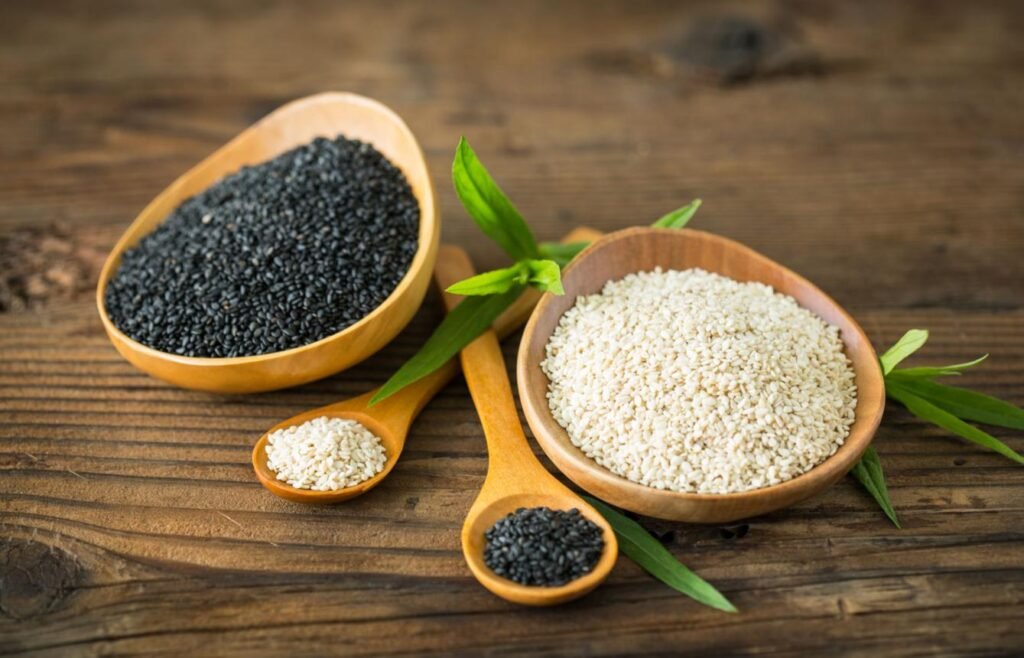
They are especially popular during winter, when many Indian households prepare til laddoos, chikkis and other traditional dishes. Sesame seeds are available in white, brown and black varieties, and each type can add a distinct taste to food.
Apart from their flavour, sesame seeds contain fibre, protein, healthy fats and minerals. Adding small amounts to a balanced diet can be a simple way to increase the variety of nutrients in everyday meals.
Here are seven reasons why these seeds deserve a place in your kitchen.
1. They Provide Healthy Fats
One of the important benefits of eating sesame seeds is their healthy fat content. Most of the fat in sesame seeds is unsaturated fat, which can be included as part of a balanced eating pattern.
The body needs dietary fat for several normal functions, including absorbing certain vitamins and supporting cell health.
You can sprinkle sesame seeds over homemade salads, vegetable dishes or cooked rice. A small serving can add flavour and texture without requiring complicated preparation.
However, sesame seeds are energy-dense, so it is sensible to enjoy them in moderate portions.
2. They Contain Useful Minerals
Sesame seeds provide minerals such as calcium, magnesium, iron and zinc. These nutrients have different roles in the normal functioning of the body.
Calcium is important for maintaining bones and teeth, while magnesium is involved in muscle and nerve function. Iron helps the body make haemoglobin, which carries oxygen in the blood.
The exact amount of minerals can vary depending on the variety and whether the seeds are hulled or unhulled.
Including sesame seeds along with other nuts, seeds, vegetables and whole grains can help add variety to your daily mineral intake.
3. They Offer Dietary Fibre
Sesame seeds contain dietary fibre, which is an important part of a healthy eating routine.
Fibre supports normal digestion and helps maintain regular bowel movements. It also adds variety to meals and can make food more satisfying.
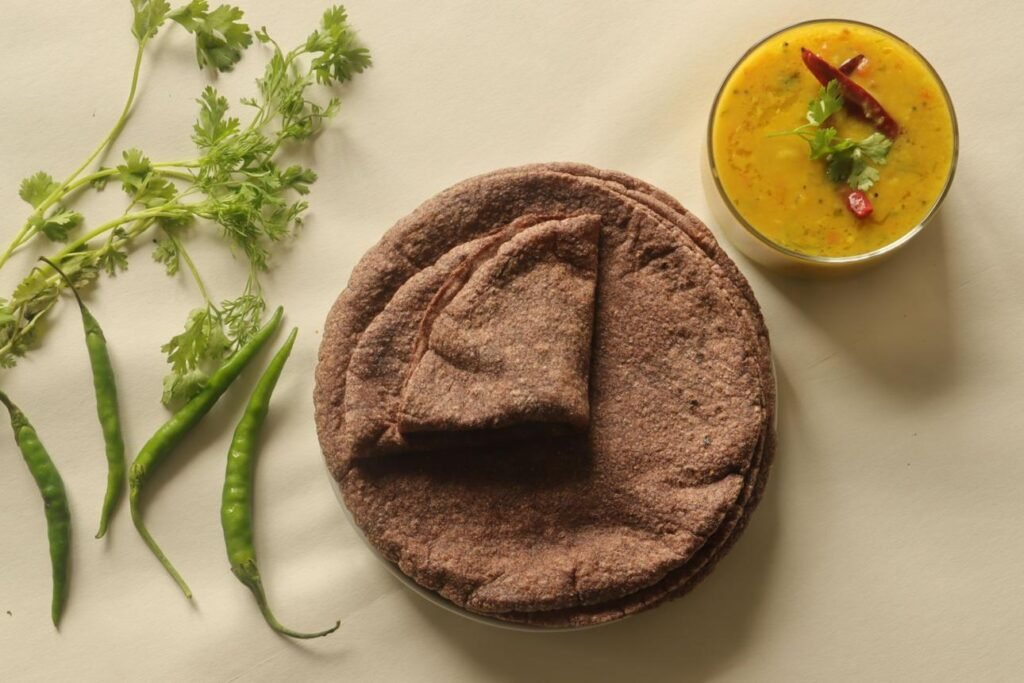
You can add sesame seeds to homemade whole-wheat rotis, vegetable preparations or breakfast dishes. They can also be mixed with other seeds to prepare a simple topping.
If you are increasing fibre in your diet, make changes gradually and remember to drink enough water throughout the day.
4. They Provide Plant-Based Protein
For people who prefer vegetarian meals, sesame seeds can contribute a small amount of plant-based protein.
Protein is needed for normal growth and maintenance of body tissues. It also plays a role in several everyday body functions.
Sesame seeds should not be treated as the main protein source in a meal because the usual serving is small. However, they can complement foods such as dal, beans, milk, curd and other nuts.
Adding a spoonful of sesame seeds to a homemade snack is an easy way to include another plant-based ingredient in your diet.
5. They Contain Natural Antioxidant Compounds
Sesame seeds contain naturally occurring compounds such as sesamin and sesamolin. They also provide some vitamin E, depending on the variety and processing.
These compounds are part of the seed’s natural nutritional composition. Antioxidants are found in many plant foods, including fruits, vegetables, nuts and seeds.
Eating a variety of plant-based foods is a practical way to include different natural compounds in your diet.
There is no need to consume large quantities of sesame seeds or treat them as a special solution for health concerns.
6. They Make Everyday Food More Interesting
One simple reason to use sesame seeds is that they can improve the taste and texture of regular meals.
Lightly roasted sesame seeds have a pleasant nutty flavour. You can sprinkle them over poha, upma, salads, stir-fried vegetables and homemade sandwiches.
They can also be ground with peanuts, garlic and spices to prepare a traditional dry chutney. In many Indian homes, sesame seeds are used in sweets and savoury snacks.
This makes them an easy ingredient to include without changing your usual cooking routine.
7. They Are Easy to Store and Use
Sesame seeds are convenient because they can be stored and used in small quantities. A little can be added to several different dishes, making them useful for everyday cooking.
Keep them in a clean, dry and airtight container. Store them away from heat and moisture, as their natural oils can become stale over time.
Before using them, check their smell and appearance. Seeds that smell unpleasant or show signs of spoilage should not be consumed.
How Much Sesame Should You Eat?
There is no single amount that everyone needs to follow. Sesame seeds are rich in nutrients but also contain a good amount of energy in a small serving.
A small sprinkle over meals or a modest portion in homemade snacks is generally enough to enjoy their flavour.
People with a sesame allergy should avoid them. If you have specific dietary restrictions, seek advice from a qualified health professional.
Final Thoughts
Sesame seeds are a simple kitchen ingredient that offers healthy fats, fibre, plant-based protein and useful minerals. Their nutty taste also makes them suitable for both sweet and savoury Indian dishes.
You can enjoy them roasted, ground or sprinkled over everyday meals. The best approach is to include moderate portions as part of a varied diet rather than depending on one food for overall health.