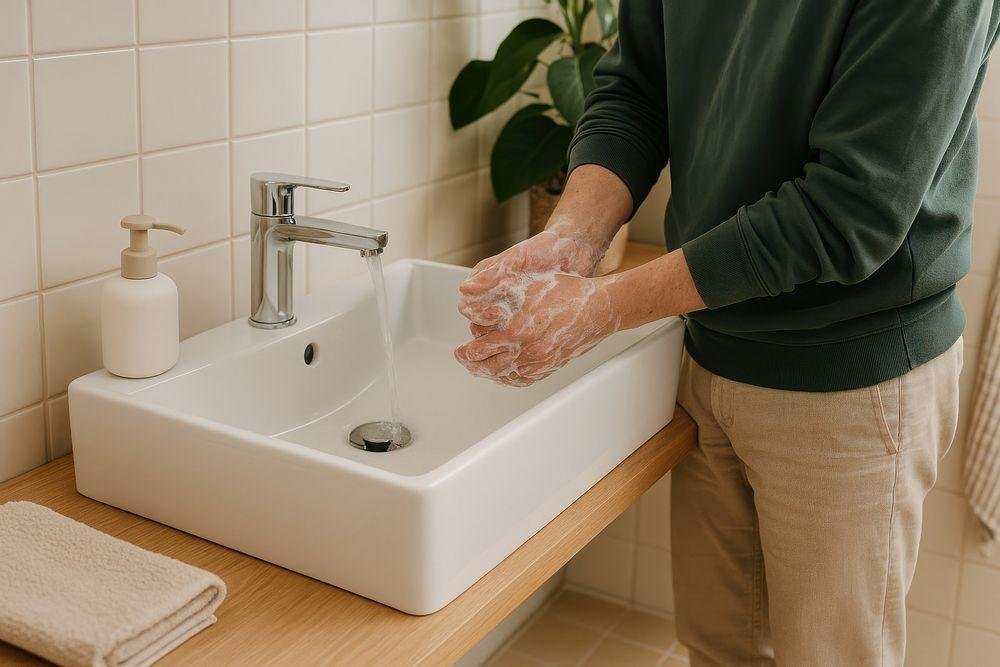
Our hands come in contact with many things throughout the day. We use them to open doors, handle money, touch mobile phones, prepare food and travel on public transport. While these activities are part of everyday life, they can also leave dirt and germs on our hands.
Keeping hands clean is one of the simplest ways to maintain everyday hygiene. However, many people wash their hands only when they look visibly dirty. In reality, hands can carry germs even when they appear clean.
The good news is that hand hygiene does not require an expensive routine. A few simple habits at the right times can help keep your hands clean and support a healthier daily environment.
Here are seven easy ways to improve your hand hygiene habits.
1. Wash Your Hands Before Eating
One of the most important times to wash your hands is before eating. Whether you are having lunch at home, eating at your workplace or enjoying street food, clean hands should be part of your meal routine.
Wash your hands with soap and clean running water before touching food. Make sure you clean your fingers, palms and the areas around your nails.
This habit is especially useful when you eat with your hands, as is common with many Indian meals. Even if you are using a spoon or fork, washing your hands before eating remains a sensible hygiene practice.
2. Clean Your Hands After Using the Toilet
Washing hands after using the toilet is a basic hygiene habit that should never be skipped. Hands may come into contact with germs during bathroom activities, even when there is no visible dirt.
Use soap and clean running water. Rub your hands properly, including between the fingers and around the nails, before rinsing them.
Avoid touching your phone, food containers or other personal items before washing your hands. This small step can help prevent germs from spreading to frequently used objects.
3. Do Not Forget to Wash After Travelling
Public transport, railway stations, shopping centres and crowded markets involve contact with many shared surfaces. Handrails, ticket machines, door handles and payment counters are touched by several people.
After returning home from travelling or visiting a crowded place, wash your hands before eating or preparing food.
If soap and water are not immediately available, an alcohol-based hand sanitiser can be a useful temporary option. Choose one containing at least 60 per cent alcohol and use it according to the product instructions.
However, sanitiser does not replace handwashing when hands are visibly dirty or greasy.
4. Keep Your Fingernails Clean
Dirt can collect underneath fingernails, particularly when they are long. This is why nail hygiene is an important part of keeping your hands clean.
Wash your hands carefully and clean underneath your nails when needed. A nail brush can help remove visible dirt, but use it gently to avoid irritating the skin.
Keep your nails at a manageable length and avoid biting them. If you regularly work in the kitchen, maintaining clean and trimmed nails is especially important.
5. Clean Your Hands After Handling Raw Food
Food preparation requires extra attention to hand hygiene. Raw vegetables, meat, poultry and seafood may carry germs that can spread to other foods and kitchen surfaces.
Wash your hands before preparing meals and after handling raw meat, poultry or seafood. It is also important to wash them after touching food waste or using the dustbin.
Do not use the same unwashed hands to handle ready-to-eat food after touching raw ingredients. Keeping separate utensils and cleaning kitchen surfaces properly can further support safe food preparation.
6. Avoid Touching Your Face With Unwashed Hands
People often touch their eyes, nose and mouth without noticing it. This can happen while working, travelling, watching television or using a mobile phone.
Hands may pick up germs from shared surfaces and transfer them when they touch the face.
Try to become more aware of this habit, particularly when you are outside. If you need to touch your eyes or face, wash your hands first whenever possible.
This does not mean you need to avoid normal activities. Simply paying attention to hand cleanliness can make everyday hygiene easier.
7. Dry Your Hands Properly After Washing
Washing your hands is important, but drying them properly is also part of good hygiene. Wet hands can transfer germs more easily than dry hands.
After washing, dry your hands completely using a clean towel or a suitable hand dryer. If you are using a shared towel at home, make sure it is clean and replaced regularly.
Avoid wiping freshly washed hands on clothes that may already be dirty. Keeping a clean hand towel near the washbasin can make this habit easier to follow.
Make Hand Hygiene Part of Your Daily Routine
Keeping your hands clean does not require major changes to your lifestyle. Washing before meals, cleaning after using the toilet, maintaining nail hygiene and taking care after travelling are simple habits that can become part of your daily routine.
Parents can also encourage children to wash their hands regularly, especially before eating and after playing outdoors. Keeping soap near the washbasin and making handwashing a regular family habit can help everyone follow better hygiene.
The key is consistency. Clean hands are a small but important part of everyday personal care, and a few minutes spent on proper handwashing can make a useful difference to your daily hygiene.