
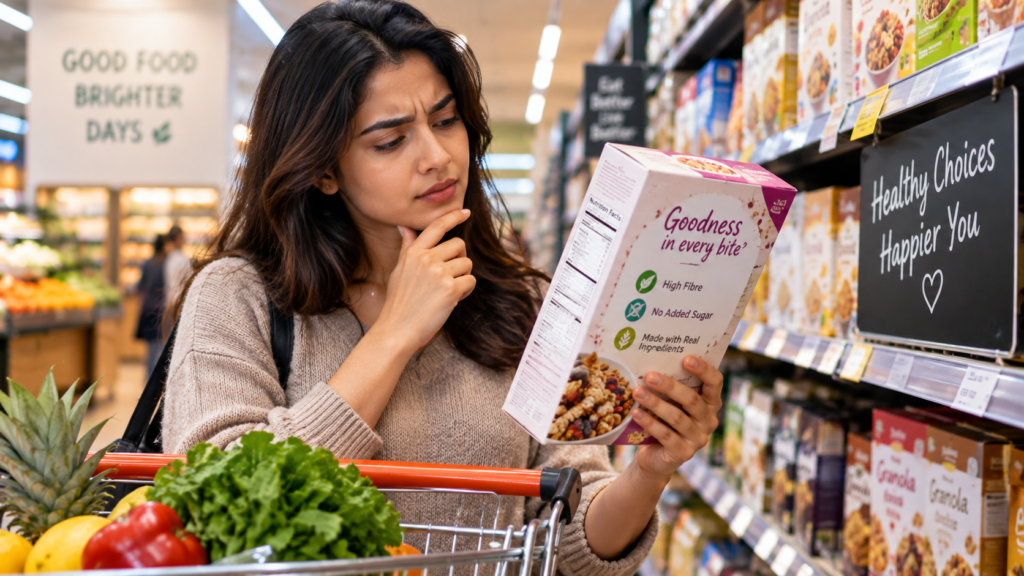
Most of us have a few foods we automatically consider “healthy.” Maybe it is a packaged breakfast cereal, a flavoured yoghurt, a protein snack or a ready-to-eat meal.
But there is an important catch: a food can look healthy on the front of the packet while its full nutrition profile tells a different story.
With more attention now being given to protein, dietary diversity and highly processed foods, it is worth looking beyond health claims and checking what you are actually eating.
Here are five everyday foods worth checking before making them a regular part of your diet.
1. Flavoured Yogurt
Yogurt can be a nutritious food, but flavoured versions can contain considerably more added sugar than plain yogurt.
The easiest way to compare them is to check the nutrition label rather than relying only on words such as “natural,” “healthy” or “low fat” on the front.
Plain yogurt can also be paired with fresh fruit, nuts or seeds if you want more flavour without turning it into a very sugary snack.
2. Breakfast Cereals
Breakfast cereals can be convenient, but not every cereal is equally nutritious.
Some varieties contain added sugars and relatively little fibre or protein. Eating a large bowl can also make it surprisingly easy to consume more sugar than expected.
When choosing cereal, check the ingredient list and nutrition panel. Look for options with more fibre and less added sugar, and consider adding fruit, nuts or seeds for a more balanced breakfast.
3. Packaged “Healthy” Snacks
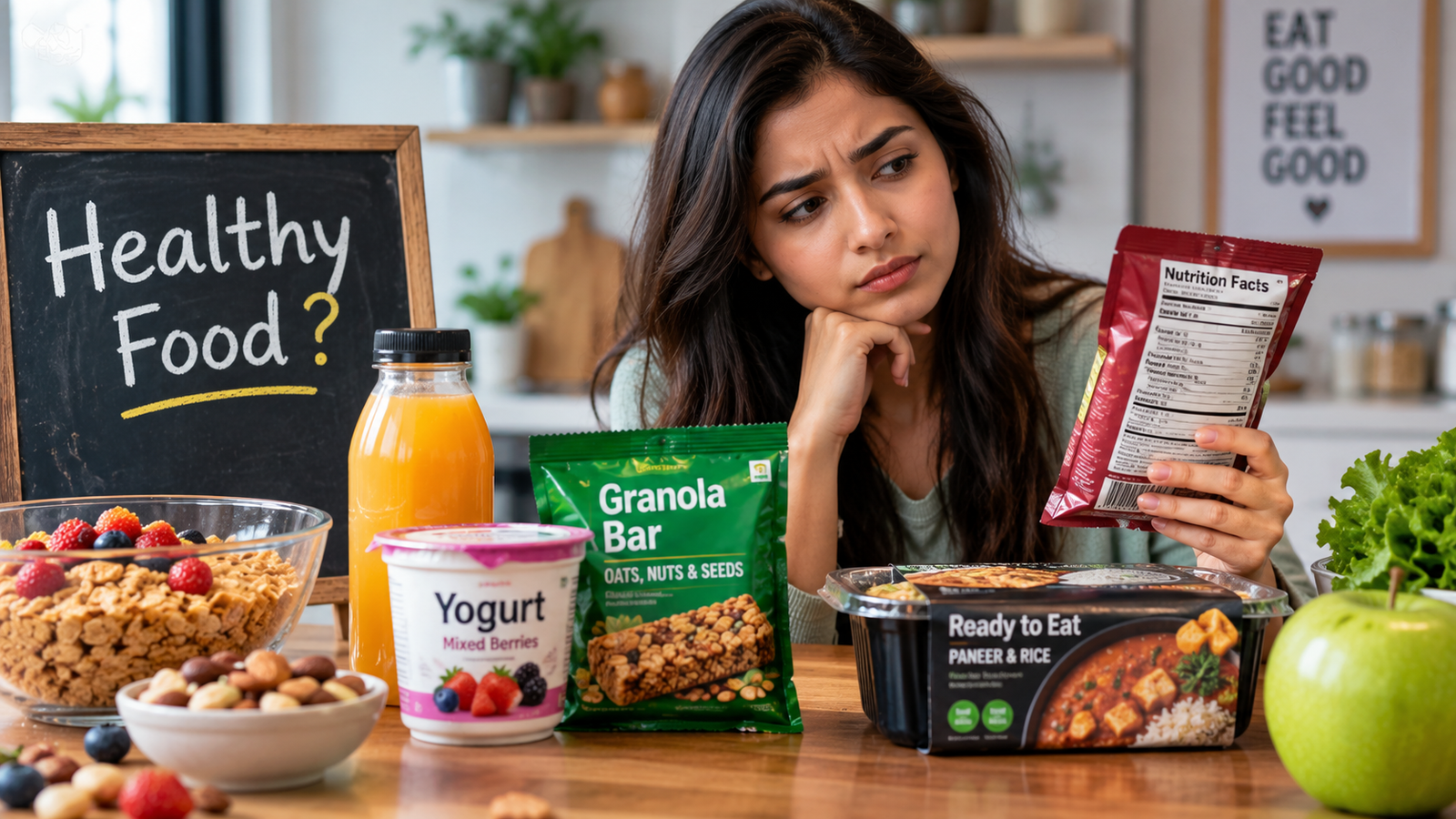
Granola bars, baked snacks, flavoured nuts and other packaged products are often marketed as convenient wellness foods.
But “baked,” “multigrain” or “high protein” does not automatically mean a product is nutritionally balanced.
Check the serving size, added sugar, sodium, saturated fat and protein content before making these snacks a daily habit.
The ingredients list matters too.
4. Ready-to-Eat Meals
Ready-to-eat meals can save time, especially on busy workdays. The problem is that convenience foods can sometimes contain high amounts of sodium, saturated fat or added ingredients.
That does not mean you have to completely avoid them.
Instead, make the nutrition label part of your shopping routine. Pairing a ready meal with vegetables, fruit or another simple whole-food option can also make the overall meal more balanced.
5. Flavoured Drinks
Sweetened coffees, bottled teas, energy-style drinks and other flavoured beverages can add significant amounts of sugar without making you feel as full as a solid meal or snack.
This is one reason drinks can be easy to overlook when people are trying to improve their diet.
Water, unsweetened tea or plain coffee can be simpler everyday choices for many people.
What Should You Check on a Food Label?
You don’t need to become a nutrition expert before going grocery shopping.
Start with a few basics:
- Added sugar
- Protein
- Fibre
- Sodium
- Saturated fat
- Serving size
- Ingredient list
WHO recommends building healthy diets around adequacy, balance, moderation and dietary diversity, with minimally processed and unprocessed foods forming an important foundation.
The Bottom Line
You don’t need to label foods as completely “good” or “bad.”
The more useful approach is to understand what you are eating and how often you are eating it.
A packaged food can still fit into a balanced diet. The key is not to let attractive packaging or health-focused marketing make the decision for you.
Next time you pick up a food that looks healthy, turn the packet around. The nutrition label may tell you more than the front ever will.