
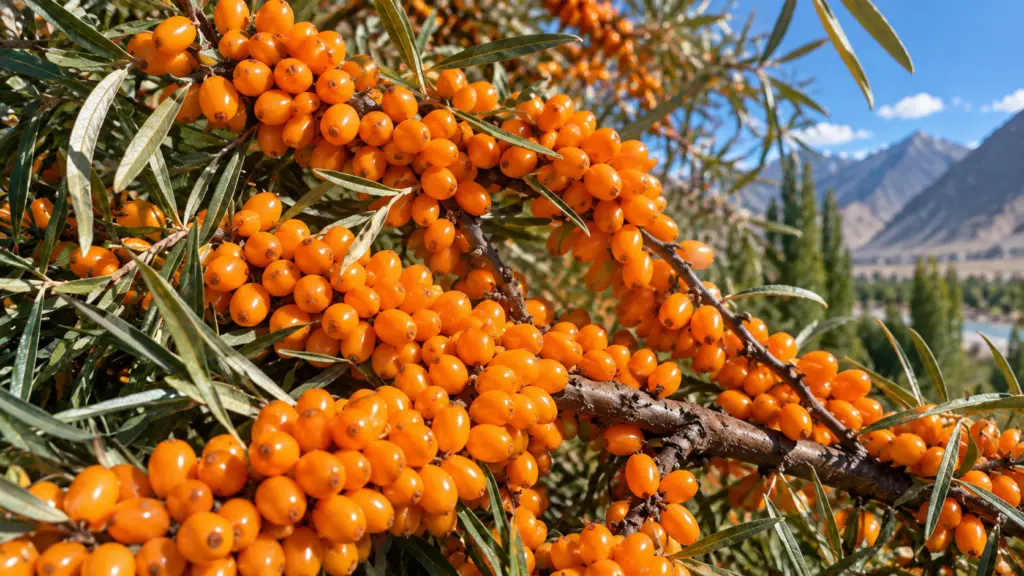
A bright orange berry from the Himalayas is getting fresh attention in India’s wellness space. Sea buckthorn, often called the “Leh berry,” has been appearing in conversations around nutrition, natural foods, skincare and functional beverages.
The interest is not completely new. Sea buckthorn has been used traditionally across parts of Asia and Europe, but 2026 has brought renewed attention to the berry in India, with recent coverage focusing on its nutritional profile, Himalayan origins and potential wellness applications.
So, what actually makes this unusual fruit interesting?
1. Sea Buckthorn Is Packed With Nutrients
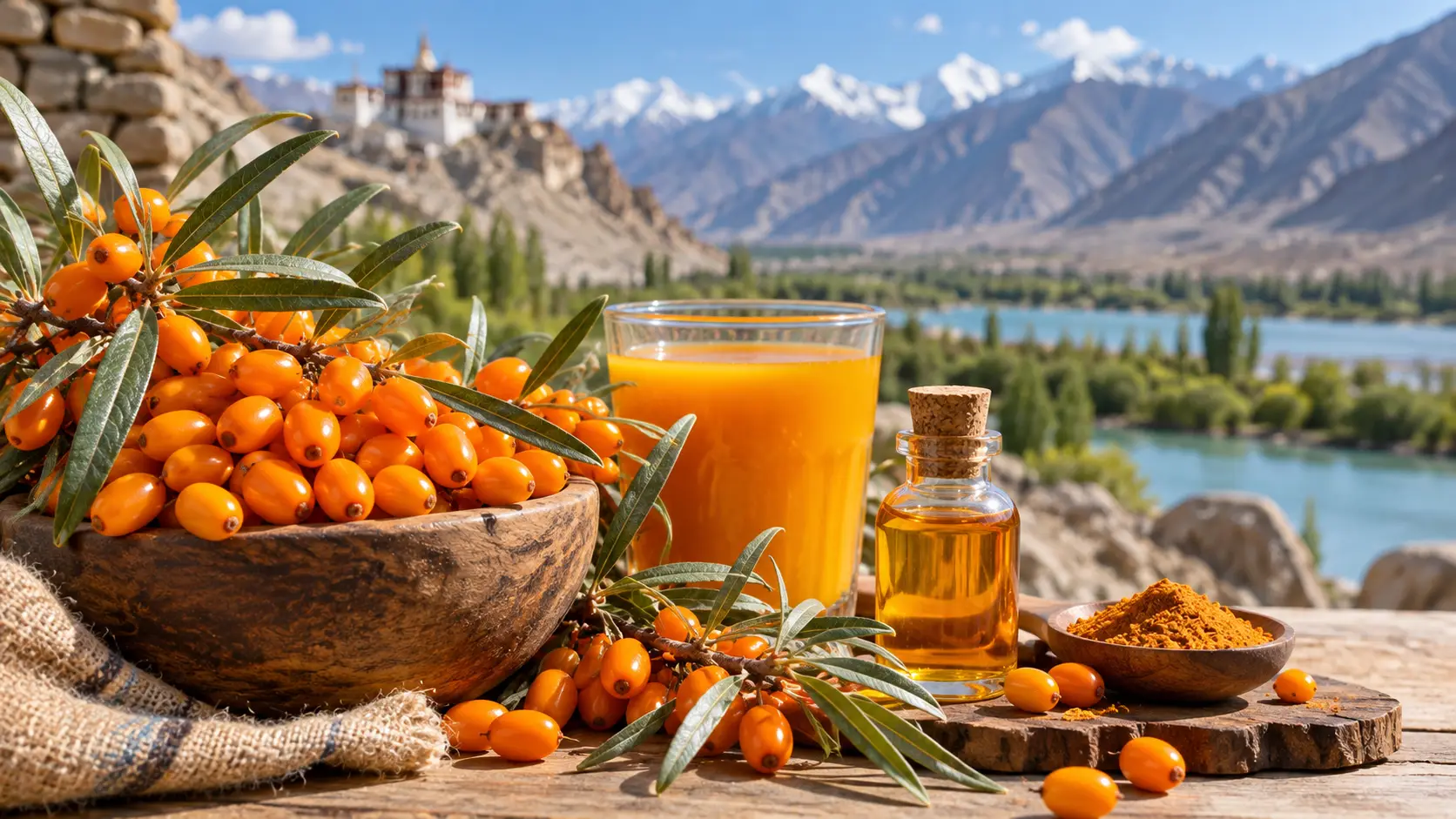
Sea buckthorn berries contain a mix of vitamins, carotenoids, polyphenols and fatty acids.
The fruit is particularly known for its vitamin C and antioxidant compounds, while sea buckthorn oils contain different fatty acids, including omega-7. These nutrients are one reason the berry has become popular in functional foods and wellness products.
However, that does not mean eating sea buckthorn automatically makes someone healthier. Like any fruit, its nutritional value should be considered as part of an overall balanced diet.
2. It Grows in Some of India’s Harshest Landscapes
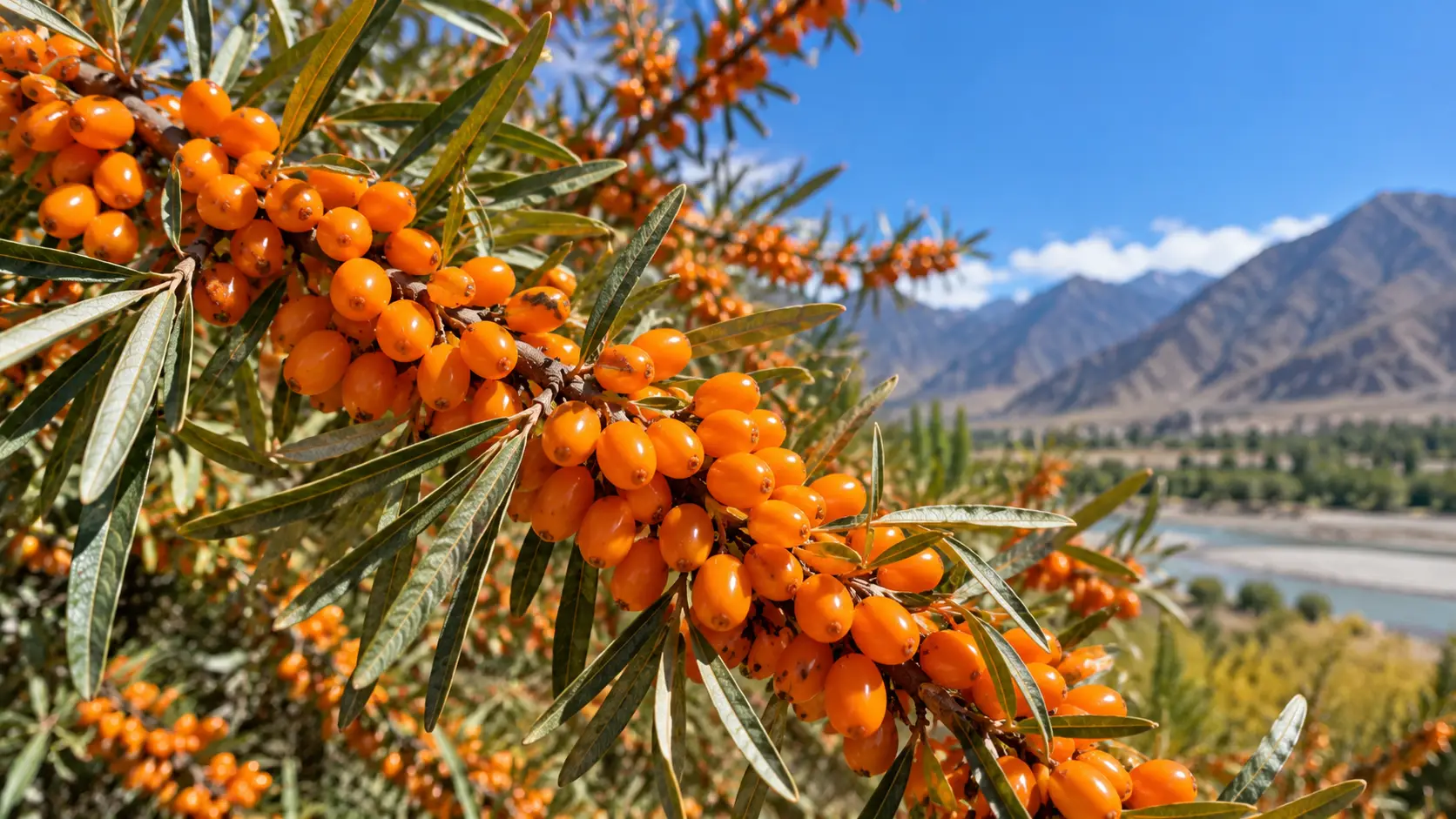
Sea buckthorn is closely associated with Ladakh and the Himalayan region, where the plant grows in cold, high-altitude environments.
It can also be found in areas such as Himachal Pradesh, Uttarakhand and other Himalayan regions. The berries are harvested during a relatively short seasonal window, which also helps explain why authentic sea buckthorn products can be quite expensive.
Its connection with Ladakh has also made it interesting beyond nutrition, with researchers and policymakers looking at its potential for agriculture, local livelihoods and value-added products.
3. Antioxidants Are One Reason for the Hype
One of the biggest reasons sea buckthorn is being discussed as a wellness food is its antioxidant content.
Antioxidants help protect cells from oxidative stress, and sea buckthorn contains several plant compounds that have antioxidant activity. Researchers are also studying its potential effects on inflammation, metabolism and gut health.
But there is an important catch: promising research is not the same as proven health treatment.
Much of the current evidence comes from laboratory, animal or small human studies, so stronger clinical research is still needed before making big health claims.
4. You May See It as Juice, Powder or Oil
You do not necessarily have to eat fresh sea buckthorn berries.
Because the fresh fruit is difficult to find in many parts of India, sea buckthorn is commonly sold in forms such as juice, pulp, powder and oil.
The choice matters because these products can have very different compositions. Added sugar, processing methods and serving sizes can also change what you are actually consuming.
If you are trying a sea buckthorn drink, checking the ingredient list is a smarter move than simply choosing a product because it says “superfood” on the packaging.
5. Don’t Treat It Like a Miracle Berry
This may be the most important thing to remember.
Sea buckthorn has an impressive nutritional profile, but there is not enough clinical evidence to say that it can prevent diseases, dramatically boost immunity or replace medical treatment. Experts quoted in recent reporting have also cautioned against treating it as a standalone immunity booster.
The better way to look at it is simple: sea buckthorn can be an interesting addition to a varied diet, especially because of its vitamins and plant compounds, but it is not a shortcut to good health.
Why Sea Buckthorn Is Suddenly Getting Attention
The combination of Himalayan origins, unusual orange berries, nutritional value and growing interest in natural wellness has given sea buckthorn a strong story for India’s health-conscious audience.
With a national research centre for sea buckthorn being explored in Nubra Valley, Ladakh, the berry could receive even more attention in the coming years.
For now, the hype is worth watching — but the smartest approach is to enjoy the berry for what it is: a nutrient-rich Himalayan food, not a miracle cure.