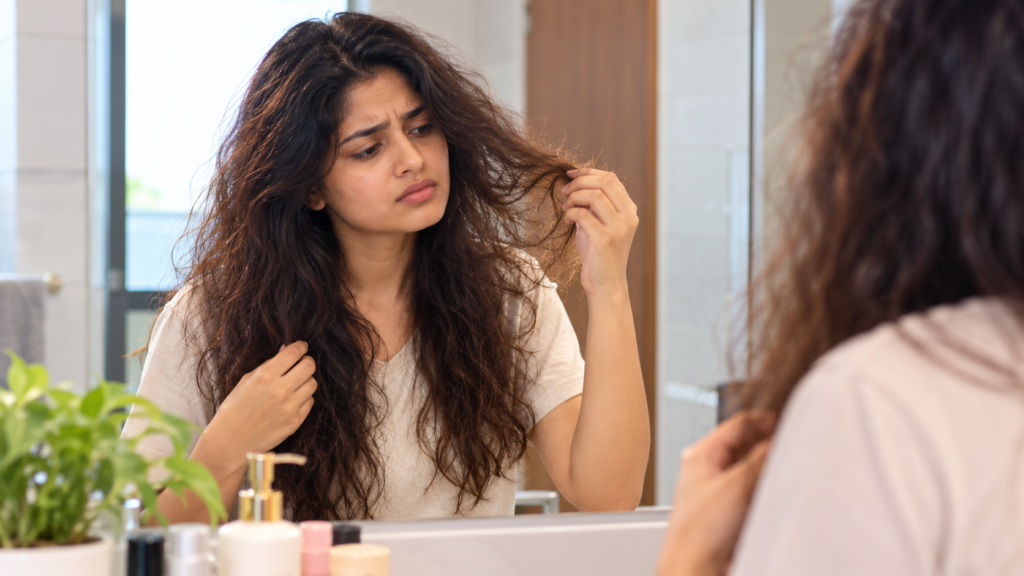
Frizzy hair in humid weather can make even a carefully styled hairstyle difficult to maintain. You may leave home with smooth, manageable hair, only to find it looking puffy or messy after spending some time outdoors. This is especially common during the monsoon and in places where humidity stays high.
Humidity affects how hair interacts with moisture in the air. When hair absorbs moisture, the strands can swell and change shape, making frizz more noticeable. Hair that is naturally curly, wavy, dry or damaged may be particularly prone to this problem. The good news is that a few simple hair care habits can help you manage frizz without spending hours styling your hair.
1. Choose a Shampoo That Does Not Dry Out Your Hair
Washing your hair is important, but using a shampoo that leaves it feeling rough or dry may make frizz more difficult to manage. Hair that lacks moisture can look less smooth and become harder to style.
Choose a gentle shampoo suited to your scalp and hair type. If your scalp becomes oily quickly, you may need to wash it more frequently than someone with a dry scalp. Focus shampoo mainly on your scalp instead of repeatedly rubbing the lengths of your hair. Let the product rinse through the strands as you wash. You do not need an expensive shampoo to manage frizz. Finding a product that cleans your scalp without leaving your hair excessively dry is a practical place to start.
2. Never Skip Conditioner
Conditioner can make a noticeable difference when dealing with frizzy hair in humid weather. It helps smooth the hair surface, improves manageability and reduces friction between strands. Apply conditioner mainly to the middle lengths and ends of your hair, following the instructions on the product. Rinse it out as directed.
If your hair is particularly dry, a leave-in conditioner may help provide additional softness. Start with a small amount and adjust according to your hair’s needs. Applying too much product can make fine hair feel heavy or greasy. Remember that conditioner does not permanently change your hair texture. Its purpose is to make hair easier to manage and reduce the appearance of frizz.
3. Dry Your Hair Gently
Rubbing wet hair vigorously with a regular towel can create friction and contribute to breakage and frizz. Wet hair is more vulnerable to damage, so gentle handling matters.
After washing, squeeze out excess water with your hands. Then gently press your hair using a soft cotton T-shirt or a microfiber towel rather than rubbing it aggressively. If you use a hair dryer, consider a lower heat setting and keep the dryer moving instead of directing hot air at one section for too long. A heat protectant can help reduce damage from styling tools.
Whenever possible, allow your hair to dry naturally. However, avoid brushing curly or wavy hair aggressively while it is dry, as this can separate the strands and make frizz more visible.
4. Use a Small Amount of Anti-Frizz Product
Hair serums and leave-in products can help control flyaways and make hair appear smoother. The right product depends on your hair texture, thickness and scalp condition. Apply a small amount of serum to the lengths and ends, following the product instructions. Avoid applying heavy products directly to the scalp if they make your hair oily.
For curly hair, a curl cream or lightweight styling product may help define the natural curl pattern. For straight hair, a lightweight smoothing serum may be more suitable. Do not layer several products at once without knowing how your hair responds. Start with one product, use it consistently and adjust the amount if needed.
5. Reduce Excessive Heat Styling
Frequent use of straighteners, curling irons and high-heat blow-drying can damage the hair surface over time. Damaged hair may become rougher, more fragile and harder to manage.
Try hairstyles that work with your natural texture instead of straightening your hair every day. Loose braids, simple buns and ponytails can be practical choices when the weather is humid. If you use heat styling tools, apply a suitable heat protectant and follow the product instructions. Avoid repeatedly passing a straightener over the same section. Reducing heat does not mean giving up your favourite hairstyles. It simply gives your hair a chance to experience less styling stress.
6. Protect Your Hair When You Go Outdoors
Wind, humidity and friction from clothing can make hair look untidy during the day. A few small adjustments may help you keep it more manageable. Carry a comb suited to your hair type and use it gently when necessary. If your hair is long, tying it loosely or using a soft hair accessory can reduce tangling during travel.
Avoid touching your hair repeatedly throughout the day, as this can increase friction and disturb its natural shape. If you spend time outdoors, a hat or scarf can help protect your hair from direct sunlight, provided it is comfortable and does not pull tightly on the strands. You may not be able to eliminate frizz completely in humid conditions, but protecting your hair from unnecessary friction can help.
Final Thoughts
Frizzy hair in humid weather is common, and managing it does not require a complicated routine. Gentle washing, regular conditioning, careful drying and suitable styling products can all help improve manageability.
Start with two or three changes that fit your hair type instead of buying multiple products at once. Give your routine time to work, and remember that some natural texture is completely normal. The aim is not to make every strand perfectly smooth. It is to keep your hair healthy, comfortable and easier to manage, whatever the weather brings.