Ragi, also known as finger millet, is a traditional grain that has been part of Indian food for generations. It is especially popular in Karnataka, Tamil Nadu, Andhra Pradesh and several other parts of the country. Today, many people are adding ragi to their meals as they look for more variety in their everyday diet.
This small millet is known for its natural colour, earthy taste and nutritional value. It can be used to prepare rotis, dosas, porridge, idlis, ladoos and even simple homemade snacks.
Ragi contains dietary fibre, plant-based protein and minerals such as calcium and iron. It can be a useful addition to a balanced diet when eaten in suitable portions.
Here are seven simple benefits of eating ragi and some easy ways to include it in your daily meals.
1. Ragi Is a Good Source of Calcium
One of the most talked-about benefits of eating ragi is its calcium content. Calcium is an important mineral that helps maintain normal bones and teeth.
The body also uses calcium for normal muscle movement and nerve function. Including calcium-containing foods in everyday meals is therefore an important part of a balanced diet.
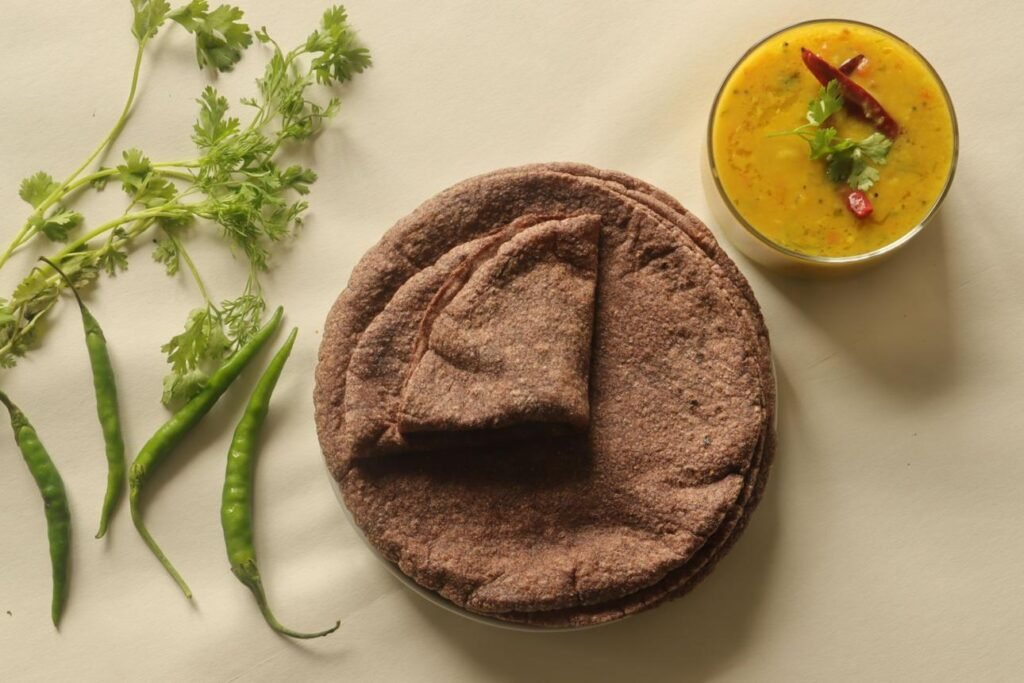
Ragi can be a useful grain option for people who want to add more variety to their meals. It can be prepared as porridge, roti or dosa and served with vegetables or dal.
However, ragi should not be considered the only source of calcium. Milk, curd, paneer and other suitable foods can also contribute to daily calcium intake.
2. It Provides Dietary Fibre
Ragi contains dietary fibre, which plays an important role in everyday digestion.
Fibre helps support regular bowel movements and adds bulk to food. Including fibre-rich ingredients in meals can also make them more satisfying.
Ragi flour can be used to prepare rotis, pancakes and dosas. You can also mix it with other whole-grain flours to create different recipes.
The amount of fibre in a prepared dish depends on the ingredients and cooking method. Choosing less processed forms and combining ragi with vegetables can help make meals more varied.
3. It Contains Plant-Based Protein
Ragi provides some plant-based protein, which is needed for the normal growth and maintenance of body tissues.
Protein is an important part of a balanced diet, and it is useful to include different sources throughout the day.
You can pair ragi roti with dal, chickpeas, kidney beans or curd to make a more balanced meal. Ragi porridge can also be prepared with milk or a suitable alternative.
Although ragi contains protein, it should not be treated as a complete replacement for other protein-rich foods.
4. It Adds Variety to Everyday Meals
Eating the same grains every day can make meals feel repetitive. Ragi offers an easy way to bring a different flavour and texture to the kitchen.
You can use it to prepare traditional ragi mudde, dosa, roti, idli and porridge. It can also be added to homemade pancakes or mixed into flour for baking.
Its slightly earthy taste works well with Indian spices, chutneys and vegetable dishes.
Trying different recipes can make it easier to include millets in regular meals without making major changes to your cooking routine.
5. It Contains Important Minerals
Apart from calcium, ragi provides minerals such as iron, magnesium and phosphorus.
Iron is needed for the production of haemoglobin, while magnesium plays a role in normal muscle and nerve function. Phosphorus is important for bones and energy-related processes in the body.
The exact nutritional content can vary depending on the grain, processing and preparation method.
Eating ragi along with a variety of vegetables, pulses, fruits and other whole grains can help create a more balanced eating pattern.
6. It Can Be Used for Filling Breakfasts
Ragi is a convenient ingredient for preparing breakfast at home. It can be turned into porridge, dosa, idli or simple pancakes.
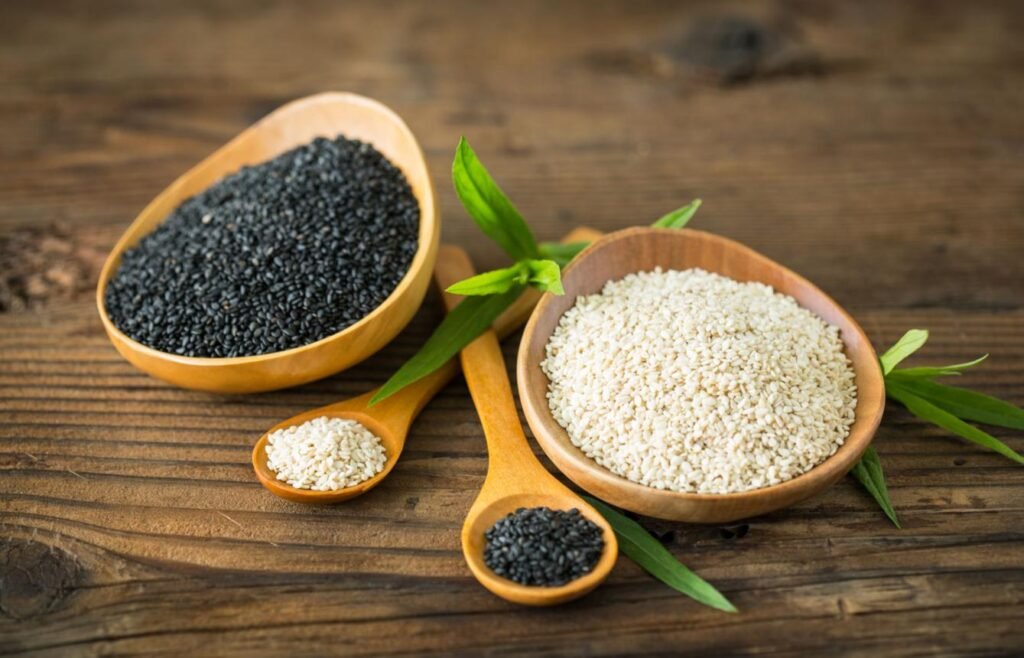
A bowl of ragi porridge can be prepared with milk or water. You can add a small amount of nuts, seeds or fresh fruit for extra flavour and variety.
Ragi dosa is another option for people who prefer savoury breakfasts. It can be served with coconut chutney or vegetable sambar.
Preparing breakfast with ragi can be a practical way to include a traditional millet in the morning routine.
7. It Is Easy to Combine With Other Healthy Foods
Ragi does not need to be eaten alone. It can be combined with several everyday ingredients to prepare balanced meals.
For example, ragi roti can be served with mixed vegetables and dal. Ragi dosa can be paired with sambar, while ragi porridge can be topped with banana slices or a few nuts.
Combining different food groups helps make meals more varied. It also prevents people from depending on a single ingredient for their daily nutritional needs.
How to Add Ragi to Your Daily Diet
Start with simple recipes that suit your family’s food preferences. If you are new to ragi, try mixing a small amount of ragi flour with wheat flour when making rotis.
You can also prepare ragi dosa or porridge once or twice a week. Choose homemade recipes and avoid adding too much sugar, salt or oil.
Keep ragi flour in an airtight container in a cool, dry place. Check its smell and appearance before use, especially if it has been stored for a long time.
Final Thoughts
Ragi is a traditional Indian millet that offers dietary fibre, plant-based protein and useful minerals. Its versatility makes it easy to include in breakfast, lunch and snacks.
You can enjoy it as roti, dosa, porridge or other homemade dishes. The best approach is to eat ragi as part of a varied diet that also includes fruits, vegetables, pulses and other grains.