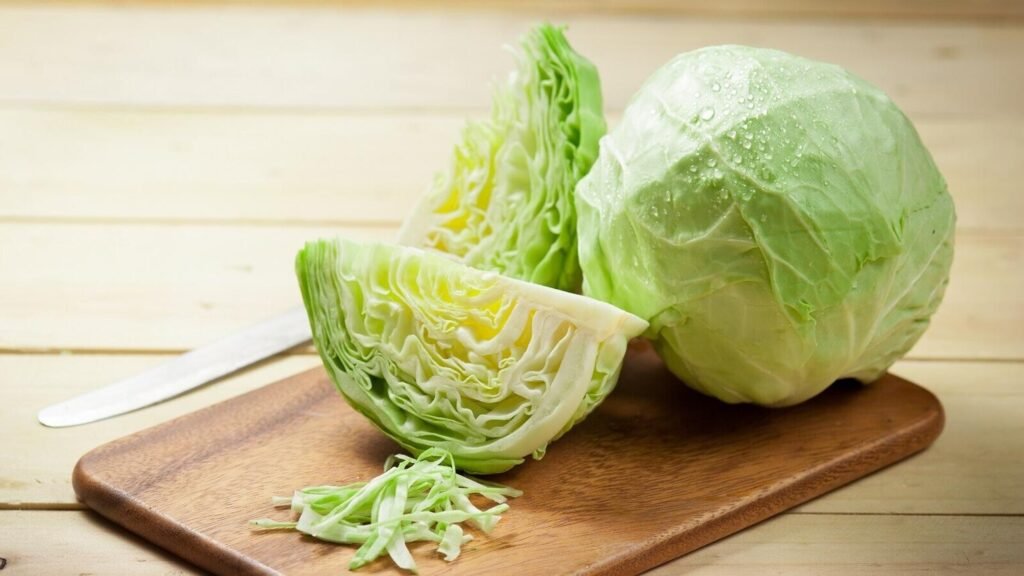
Cabbage is one of the most common vegetables found in Indian kitchens. It is affordable, available in local markets throughout much of the year and can be used in several everyday recipes. From simple sabzi and parathas to salads and soups, this vegetable fits easily into different meals.
Despite being a familiar kitchen ingredient, cabbage is sometimes overlooked when people plan their daily diet. It contains dietary fibre, vitamin C, vitamin K and other nutrients that contribute to a balanced eating routine.
Green cabbage is the most commonly used variety, but red cabbage and other types are also available. Each can bring a different colour and texture to the plate.
Here are seven reasons to include cabbage in your regular meals, along with some simple ways to prepare it.
1. It Provides Dietary Fibre
Cabbage contains dietary fibre, which is an important part of everyday eating. Fibre supports normal digestion and helps maintain regular bowel movements.
Adding fibre-rich vegetables to meals can also make them more satisfying. This is useful when you want to prepare filling meals with simple ingredients.
You can include cabbage in vegetable dishes, homemade soups or salads. Combining it with other vegetables, pulses and whole grains can help increase the variety of fibre sources in your diet.
Remember to drink enough water and include different fibre-rich foods rather than depending on cabbage alone.
2. It Contains Vitamin C
Vitamin C is an important nutrient that supports normal immune function and helps the body make collagen, which is needed for healthy skin and other tissues.
Cabbage provides vitamin C, although the amount can vary depending on the variety, freshness and cooking method.
Adding fresh cabbage to a salad or lightly cooking it can be a simple way to include it in your meals. Other sources of vitamin C, such as guava, oranges, amla and capsicum, can also be included in a varied diet.
3. It Provides Vitamin K
Cabbage is also a source of vitamin K. This nutrient plays an important role in normal blood clotting and helps support bone health.
Different vegetables contain different amounts of vitamin K, so eating a variety of leafy greens and other vegetables can help provide a wider range of nutrients.
Cabbage can be combined with spinach, beans, carrots and other seasonal produce to prepare colourful meals.
People who have been advised to keep their vitamin K intake consistent should follow their healthcare professional’s guidance about dietary choices.
4. It Is Naturally Low in Calories
Cabbage is a low-calorie vegetable, which makes it a useful ingredient for people who want to prepare balanced meals without making food complicated.
It adds volume and texture to a dish without contributing a large number of calories. This can make meals feel more substantial when cabbage is combined with protein-rich foods and other vegetables.
For example, you can prepare cabbage sabzi with peas or serve a cabbage salad alongside dal and roti.
However, the overall ingredients, cooking oil and portion sizes also matter. No single vegetable can manage body weight on its own.
5. It Contains Natural Plant Compounds
Cabbage belongs to the cruciferous vegetable family, which also includes cauliflower, broccoli and radish. These vegetables contain naturally occurring plant compounds called glucosinolates.
When cabbage is chopped or chewed, these compounds can take part in natural processes that produce other plant substances.
Red cabbage also contains anthocyanins, which give it its purple-red colour. These compounds are found in several colourful fruits and vegetables.
Eating different types of vegetables is a practical way to include a wider range of plant compounds in everyday meals.
6. It Is Easy to Use in Everyday Recipes
One of the biggest advantages of cabbage is its versatility. It can be used in traditional Indian dishes as well as simple modern recipes.
You can prepare cabbage sabzi with cumin, turmeric and other spices. Finely chopped cabbage also works well in parathas, sandwiches, vegetable pulao and homemade cutlets.
For a quick side dish, mix shredded cabbage with carrots, lemon juice and coriander. You can also add it to vegetable soup with beans and other seasonal ingredients.
Changing the preparation method can make the same vegetable feel different each time.
7. It Is an Affordable Way to Add Variety
Eating a varied diet does not always require expensive ingredients. Cabbage is generally an affordable vegetable and can be used in several portions across different meals.
A single head can be used for sabzi, salad, stuffed parathas or soup. This makes it a practical choice for families looking to plan everyday meals while keeping food costs manageable.
It also pairs well with common kitchen ingredients such as potatoes, peas, carrots, onions and tomatoes.
Including affordable seasonal vegetables can help make home cooking more varied and practical.
How to Choose and Store Fresh Cabbage
When buying cabbage, look for a firm head with tightly packed leaves. The outer leaves should look reasonably fresh, without extensive damage or soft, wet patches.
Avoid vegetables with an unpleasant smell or visible signs of spoilage. Before cooking, remove damaged outer leaves and wash the cabbage thoroughly under clean running water.
Cut only the amount you need and keep the remaining portion covered in the refrigerator. Use it while it is still fresh and check for changes in smell, colour or texture before cooking.
Make Cabbage Part of Your Regular Meals
Cabbage is a simple vegetable that offers fibre, vitamins and natural plant compounds. It is also easy to find, affordable and suitable for many everyday recipes.
You do not need to prepare a special dish to enjoy it. Add it to sabzi, parathas, salads or soups according to your taste.
For a balanced eating routine, combine cabbage with other vegetables, pulses, whole grains and suitable protein sources. Small changes in everyday meals can help bring more variety to your plate.