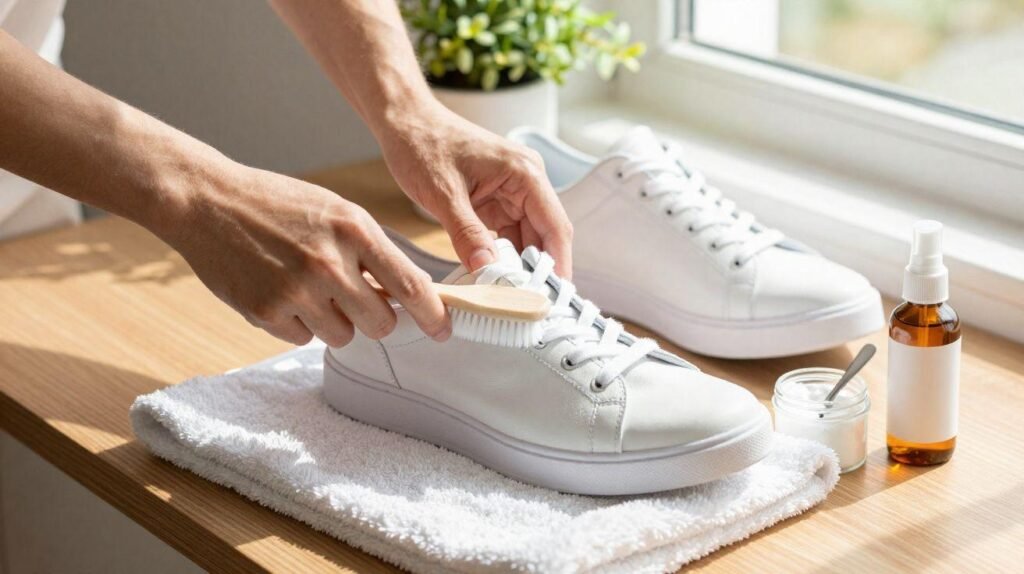
A good pair of shoes can complete an outfit, but even expensive footwear may lose its appearance if it is not cared for properly. Dust, moisture, rough use and poor storage can slowly affect the shape, colour and material of your shoes.
Many people clean their shoes only when they look dirty. However, regular care is important if you want your favourite footwear to last longer. Small habits, such as allowing shoes to dry properly and storing them in the right place, can make a noticeable difference.
Whether you wear sneakers, formal shoes, sandals or everyday flats, taking care of them does not need to be difficult.
Here are seven common shoe care mistakes you should avoid to keep your footwear in better condition.
1. Wearing the Same Shoes Every Day
Wearing the same pair of shoes every day may seem convenient, especially when they are comfortable. However, giving footwear a break between uses can help it dry properly and maintain its condition.
Feet can produce sweat during the day, and some of that moisture stays inside shoes. Wearing the same pair continuously may leave it damp and uncomfortable.
If possible, keep two or three pairs for regular use and rotate them. You can wear one pair today and choose another the following day.
This simple habit gives each pair more time to air out before you wear it again.
2. Keeping Shoes in a Damp Place
Where you store your shoes matters. Leaving them in a damp corner, near a wet bathroom or inside a poorly ventilated cupboard can affect their condition.
Moisture can encourage unpleasant smells and may damage certain materials over time. Leather, suede and fabric footwear all need suitable storage conditions.
Choose a clean, dry place with some ventilation. Avoid putting shoes away immediately after wearing them if they are still damp.
Allow them to air out first. If they become wet in the rain, let them dry naturally before storing them.
3. Cleaning Every Shoe With the Same Product
One common mistake is using the same cleaning liquid, brush or cloth for every type of footwear.
Different materials need different care. Leather, suede, canvas, mesh and synthetic materials may react differently to water and cleaning products.
For example, rough brushing can affect delicate suede, while too much water may not be suitable for some leather shoes.
Check the care instructions provided by the manufacturer before cleaning. If you are unsure, test a suitable cleaner on a small, less visible area first.
Using the right cleaning method can help prevent unnecessary damage.
4. Ignoring Dust and Dirt for Too Long
Dust and dirt can build up on shoes after regular use. If you leave them uncleaned for a long time, marks may become harder to remove.
Make it a habit to wipe your footwear after returning home, especially if you have walked on dusty roads or muddy surfaces.
A soft brush or clean cloth can help remove loose dirt from many types of shoes. For sneakers, pay attention to the soles and edges, where dirt often collects.
Regular light cleaning is usually easier than trying to remove heavy stains later.
5. Drying Wet Shoes in Direct Sunlight
After getting caught in the rain, you may feel tempted to place wet shoes directly under strong sunlight. However, excessive heat can affect some materials.
Leather may become dry or stiff, while certain synthetic materials and adhesives may be affected by high temperatures.
Instead, remove excess water with a clean cloth and let the shoes dry in a well-ventilated area away from direct heat.
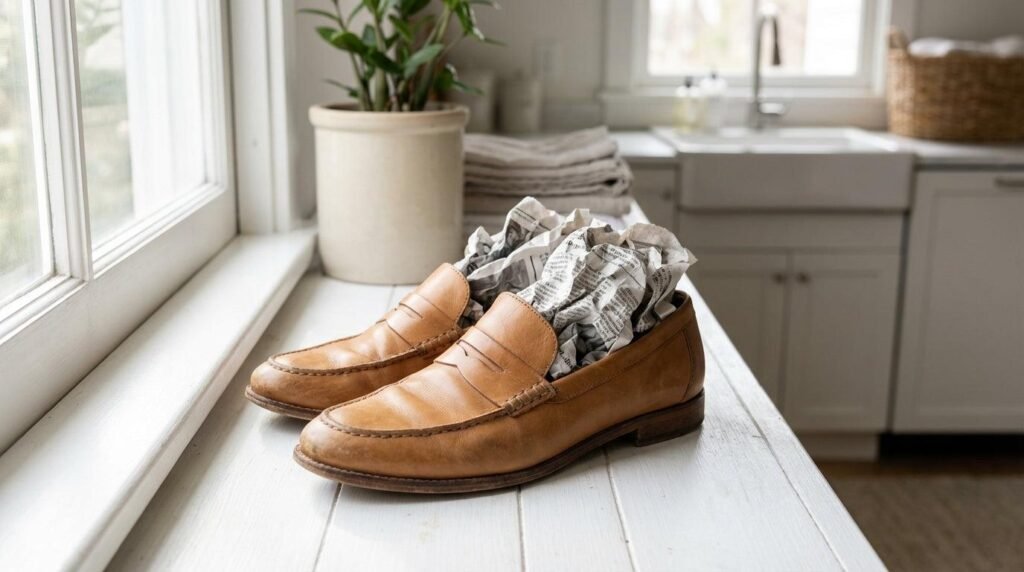
You can place clean, dry paper inside suitable shoes to help absorb moisture and maintain their shape. Replace the paper if it becomes wet.
6. Storing Shoes Without Supporting Their Shape
Shoes can lose their shape when they are crushed under other footwear or left carelessly in a crowded cupboard.
This is particularly noticeable with boots, formal shoes and certain types of sneakers.
Try to give each pair enough space. Shoe trees can help maintain the shape of some formal shoes, while simple supports may be useful for boots.
If you do not have special storage accessories, keep shoes neatly arranged instead of placing heavy items on top of them.
Proper storage also makes it easier to find the pair you want when getting ready.
7. Wearing the Wrong Shoes for the Activity
Not every pair of shoes is suitable for every activity. Wearing delicate footwear for rough outdoor work or using everyday casual shoes for activities they are not designed for can cause faster wear.
For example, formal shoes are generally not the best choice for long walks on uneven surfaces. Similarly, some fashion sneakers may not provide the support needed for sports.
Choose footwear according to where you are going and what you plan to do. Keeping separate pairs for daily use, exercise, formal occasions and outdoor activities can help protect your collection.
Simple Shoe Care Habits Worth Following
Taking care of footwear does not require an expensive collection of products. Clean shoes regularly, allow them to dry properly and store them in a suitable place.
Pay attention to the material before using any cleaning product. Also, check the soles, laces and stitching from time to time so that small problems do not go unnoticed.
Your shoes are part of your everyday style, and looking after them can help you enjoy your favourite pairs for longer.
A little care after each use is often easier than trying to repair badly damaged footwear later.