Sharing things with friends, family members and colleagues is a normal part of everyday life. Whether it is borrowing a pen, using someone’s charger or sharing a meal, small acts of sharing can make relationships more comfortable.
However, not everything should be shared. Some personal belongings come into direct contact with your skin, hair or body. Sharing these items may spread germs and create avoidable hygiene problems.
You do not have to become overly protective about your belongings. Just understanding which items are better kept personal can help you maintain better daily hygiene.
Here are seven everyday things you should avoid sharing, even with people you know well.
1. Toothbrush
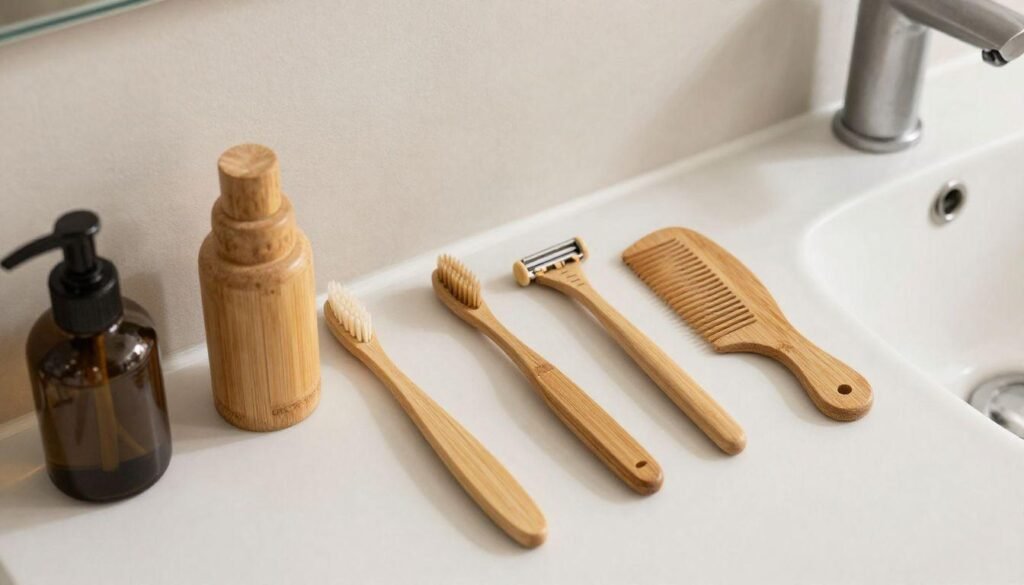
A toothbrush is one of the most personal items in your bathroom. It comes into direct contact with your teeth, gums and saliva every day.
Sharing a toothbrush can transfer germs between people. It may also expose you to infections or other oral health problems.
Even if you are travelling with a close friend or family member, always carry your own toothbrush. If someone forgets theirs, it is better to arrange a separate one rather than share yours.
Keep your toothbrush clean, allow it to dry properly and replace it regularly according to dental care advice.
2. Towels
Sharing towels may look harmless, especially when guests visit your home. But towels can hold moisture, skin cells and germs after use.
A towel that remains damp for a long time can also develop an unpleasant smell. Using the same towel as another person may increase the chance of transferring germs.
It is better for every family member to have a separate bath towel and face towel.
After using a towel, hang it somewhere with good airflow so that it can dry properly. Wash it regularly and avoid leaving wet towels in a closed bathroom or laundry basket for too long.
3. Hairbrushes and Combs
Friends often borrow each other’s combs while getting ready for a party, wedding or outing. It may seem like a small thing, but hairbrushes and combs can collect loose hair, oil, dead skin and dirt.
Sharing them may also spread head lice and certain scalp problems.
Keeping your own comb is a simple way to maintain personal hygiene. Clean it regularly by removing trapped hair and washing it when suitable for its material.
If you visit a salon, check that the staff use properly cleaned tools for each customer.
4. Razors
Razors should always be personal items. They can cause tiny cuts while shaving, even when you do not notice them.
Sharing a razor may transfer blood and increase the risk of spreading infections. This is why borrowing someone else’s razor is not a good idea.
Keep separate razors for each person in your household. Store yours in a clean, dry place and follow the manufacturer’s instructions for cleaning and replacement.
If you accidentally cut yourself while shaving, clean the affected area properly and avoid sharing the razor afterwards.
5. Lip Balm and Lipstick
Sharing lip balm or lipstick is common among friends who get ready together. However, these products come into direct contact with the lips.
Using the same product can transfer saliva and germs between people. It is especially better to avoid sharing lip products when someone has cold sores or other visible lip problems.
Keep your own lip balm in your handbag, office drawer or travel kit. If you want to recommend a product to a friend, let them try it using their own applicator or buy a separate one.
6. Earphones and Earbuds
Many people share earphones while travelling, watching videos or listening to music. But earbuds sit directly inside or near the ear canal.
They can collect earwax, sweat and dirt during regular use. Sharing them without proper cleaning may transfer germs and cause hygiene concerns.
It is better to use your own earphones whenever possible.
If you need to share headphones, choose an over-ear pair that can be cleaned easily. Follow the manufacturer’s cleaning instructions and avoid putting wet cleaning products directly into electronic parts.
7. Nail Clippers
Nail clippers are small household items that are often used by everyone in the family. However, they can come into contact with the skin around the nails and may sometimes cause small cuts.
Sharing unclean nail clippers can transfer germs and may contribute to nail or skin infections.
Keep a separate nail care kit for yourself. If clippers need to be shared in an emergency, clean them properly before and after use using a suitable method.
Also, avoid using nail clippers that are rusty, damaged or difficult to clean.
Make Personal Hygiene a Daily Habit
Keeping certain belongings personal does not mean you cannot share anything with others. It simply means understanding where hygiene matters most.
Items such as toothbrushes, towels, razors and lip products are better kept separate because they come into direct contact with the body.
You can make this easier by keeping personal care items in separate storage spaces, especially when travelling or living with family members or roommates.
Small habits like these can help everyone maintain a cleaner and more comfortable daily routine. Sometimes, taking care of your health starts with knowing which everyday things should remain yours alone.