A healthy routine does not always need a gym membership, expensive equipment or a strict timetable. Sometimes, a small change in your daily schedule can make it easier to stay active. One such habit is taking a short, gentle walk after meals.
Many people spend most of their day sitting at a desk, working on a laptop or watching television. After eating, it is also common to remain seated for a long time. Making a little space for movement can be a practical way to break this pattern.
Walking after meals is simple, does not require special equipment and can be done by people of different age groups, depending on their comfort and ability. The key is to keep it gentle and make it a regular part of the day rather than treating it like a workout.
Why walking after meals can be a useful habit
A short walk gives you a chance to move after spending time sitting. It can also help you build a more active daily routine without making major changes to your schedule.
For people who work from home or spend long hours in an office, this small break can be especially useful. Instead of moving directly from the dining table to the sofa, they can take a few minutes to walk around the house or outside.
It also creates a natural break between eating and returning to other activities. You can use this time to get some fresh air, talk with a family member or simply enjoy a quiet moment.
The habit is not about walking fast or covering a particular distance. A comfortable pace is enough for someone who is just starting.
How long should you walk after eating?
There is no single duration that everyone needs to follow. A beginner can start with five minutes and gradually increase the time if it feels comfortable.
A walk of around 10 to 15 minutes may suit people who already enjoy regular movement. However, the right duration depends on personal comfort, age, fitness and daily schedule.
There is no need to compete with anyone or force yourself to reach a step target. Even a short walk can be a useful way to add movement to a day that otherwise involves long periods of sitting.
If you have just eaten a large meal, begin slowly. Avoid turning the walk into a fast workout, especially if you feel too full.
Choose a comfortable pace
The most important part of this habit is choosing a pace that feels natural. You should be able to walk without feeling breathless or uncomfortable.
A slow walk around your home, garden or nearby lane can be a good starting point. If the weather is pleasant, you can choose an outdoor route that is safe and easy to follow.
Wear comfortable footwear and choose a well-lit place if you are walking outside in the evening. Avoid busy roads or uneven paths where you may trip.
You do not need special sports clothing for a short walk. Comfortable everyday clothes are usually enough.
Easy ways to make walking a daily routine
The easiest way to follow a new habit is to connect it with something you already do. For example, you can take a short walk after lunch or dinner instead of waiting for a separate time in your schedule.
Here are a few simple ways to make it easier:
- Start with five minutes and increase the time gradually.
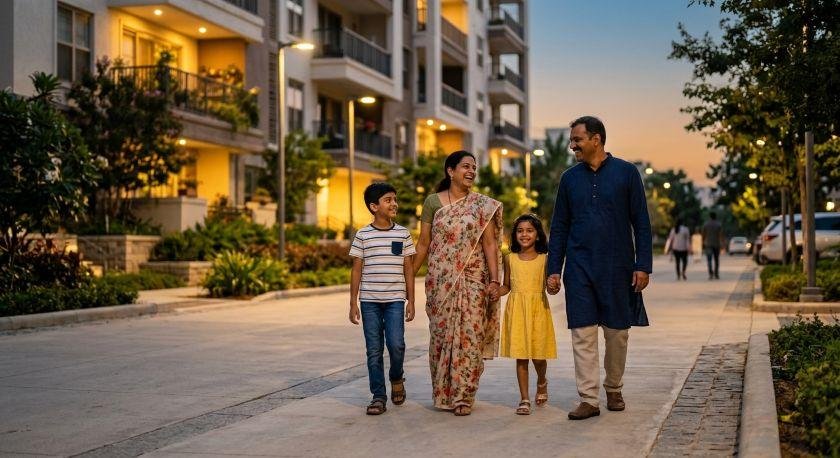
- Walk with a family member to make the activity more enjoyable.
- Keep comfortable footwear near the door.
- Choose a familiar and safe walking route.
- Avoid checking your phone continuously while walking.
- Set a regular time so that the habit becomes part of your routine.
You can also walk indoors if it is raining, too hot or inconvenient to go outside. A few rounds through a clear space at home can help you stay active.
Common mistakes to avoid
One common mistake is walking too fast immediately after eating. The purpose of this habit is gentle movement, not intense exercise. Start slowly and pay attention to how your body feels.
Another mistake is expecting quick results. A short walk should not be treated as a shortcut for weight loss or as a replacement for balanced meals and regular physical activity.
Some people may also feel uncomfortable walking immediately after a heavy meal. In that case, allow yourself some time before moving. There is no need to follow a fixed schedule if it does not suit you.
If walking causes pain, dizziness or unusual discomfort, stop and seek appropriate medical advice. People with health conditions or movement restrictions should follow guidance from their healthcare professional.
A small habit that can fit into a busy day
Building a healthier routine does not always require a major lifestyle change. Walking after meals is one simple option for adding gentle movement to an otherwise busy day.
You can begin with a few minutes, choose a comfortable pace and increase the duration only when it feels right. It can be done alone, with family or as a quiet break after work.
The most important thing is consistency without pressure. A daily routine should fit your life and feel manageable. A short walk after a meal may be a small step, but it can help you make movement a more natural part of everyday living.