Salt is a common ingredient in almost every Indian kitchen. From dal and sabzi to snacks, pickles and homemade chutneys, it adds flavour to everyday meals. However, many people may consume more salt than they realise because it is present in several packaged and restaurant foods.
Salt contains sodium, which the body needs in small amounts. But regularly consuming too much sodium can increase the risk of high blood pressure and other health problems.
The good news is that reducing salt does not mean eating tasteless food. You can make simple changes to your cooking habits, shopping choices and eating routine without giving up your favourite dishes.
Here are seven practical ways to reduce salt intake while keeping your meals enjoyable.
1. Use Less Salt While Cooking
One of the easiest ways to reduce salt is to make a small change in your daily cooking.
If you usually add a fixed amount of salt to dal, vegetables or curry, try reducing it gradually. Your taste preferences can adjust over time, especially when you make changes slowly.
Avoid adding extra salt automatically while preparing food. Taste the dish first and decide whether it really needs more.
You can also use fresh ingredients such as tomatoes, onions, ginger and garlic to add flavour to homemade meals.
2. Use Spices and Herbs for More Flavour
Indian cooking already offers many ingredients that can make food delicious without depending only on salt.
Cumin, coriander, turmeric, black pepper, ginger, garlic and green chillies can add different flavours to everyday dishes.
Fresh coriander leaves, mint and lemon juice can also make food taste fresh and interesting.
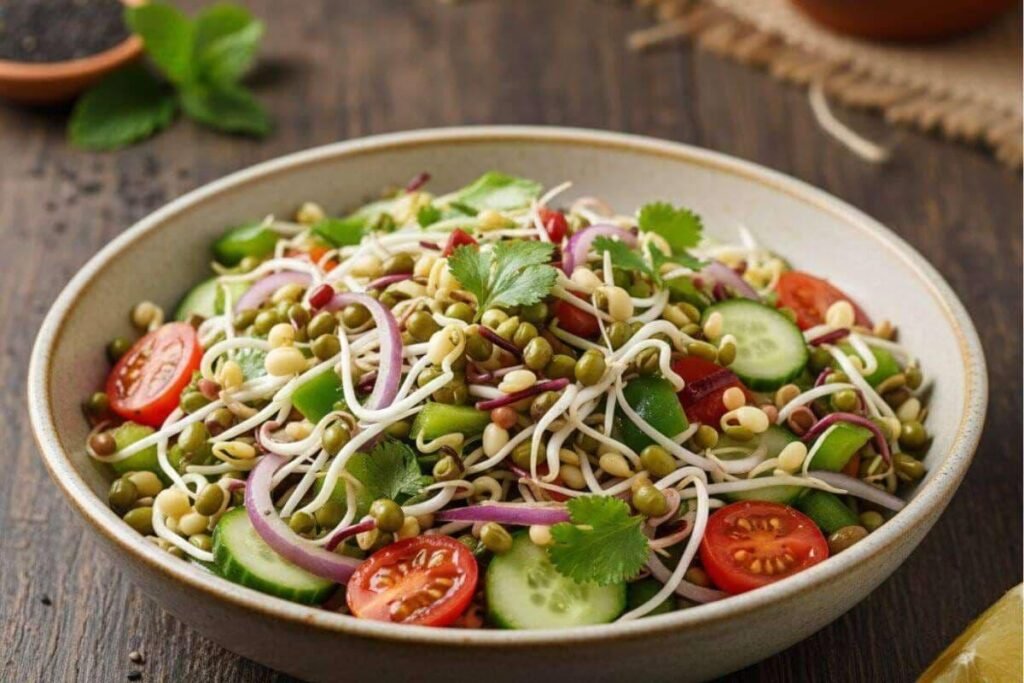
For example, instead of adding extra salt to a salad, try using lemon juice, roasted cumin powder and fresh coriander.
Experiment with different combinations to find flavours that suit your taste.
3. Check Food Labels Before Buying Packaged Products
Many packaged foods contain sodium, even when they do not taste particularly salty.
Products such as instant noodles, chips, biscuits, sauces, ready-made soups and packaged snacks may contain added salt.
Before buying these products, check the nutrition information on the label. Look for the sodium content and compare similar products.
Ingredients are usually listed in order of quantity. If salt or a sodium-based ingredient appears near the beginning of the list, it may be present in a larger amount.
Making label checking a regular shopping habit can help you make more informed choices.
4. Reduce Packaged and Ready-to-Eat Snacks
Packaged snacks are convenient, especially when you are busy at work or travelling. However, eating them frequently can add extra sodium to your daily diet.
Try replacing some packaged snacks with simple homemade options.
You can choose fresh fruit, unsalted nuts, homemade popcorn with less salt or roasted chana without excessive seasoning.
You do not have to stop eating every packaged snack. The aim is to avoid depending on them every day and enjoy fresh homemade alternatives more often.
5. Be Careful With Pickles, Papad and Sauces
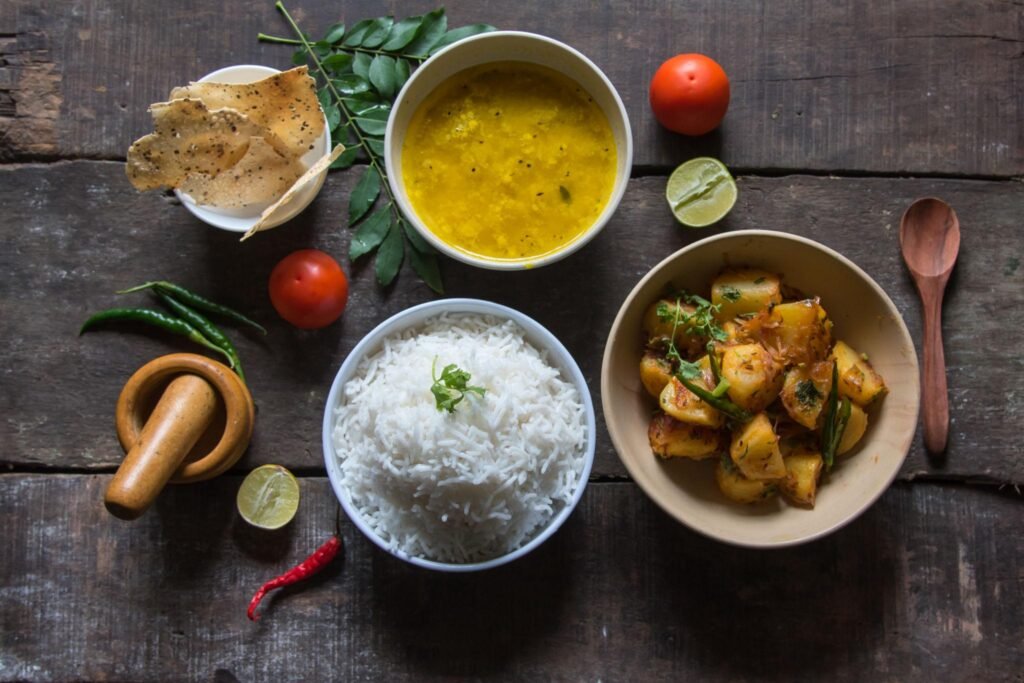
Pickles, papad, chutneys and sauces are popular additions to Indian meals. They can make simple food taste more interesting, but some varieties contain considerable amounts of salt.
You do not need to remove them completely from your meals. Instead, pay attention to the quantity you eat.
For example, use a small serving of pickle rather than taking several spoonfuls. Check the labels of packaged sauces and chutneys before buying them.
You can also prepare homemade chutneys using fresh ingredients and control how much salt goes into them.
6. Limit Extra Salt at the Dining Table
Some people add salt to their food even before tasting it.
Keeping the salt shaker away from the dining table can help reduce this automatic habit.
Try tasting your food first. If it already has enough flavour, there may be no need to add anything extra.
You can also place lemon wedges, fresh coriander or pepper on the table for people who want to add more flavour to their meals.
Small changes like this can make a difference when followed regularly.
7. Be Mindful When Eating Outside
Restaurant meals, fast food and street snacks can sometimes contain more salt than homemade food.
Foods such as pizza, burgers, fried snacks, noodles and gravies may include salt in several ingredients.
When ordering food, you can ask whether less salt can be used where possible. Choose simpler dishes more often and avoid adding extra salty sauces automatically.
Eating outside occasionally is not a problem for most people, but paying attention to your choices can help you manage your overall salt intake.
Simple Tips to Make Low-Salt Eating Easier
Reducing salt does not need to happen all at once. Start with a few practical steps:
- Add slightly less salt while cooking.
- Use spices, herbs and lemon for flavour.
- Check sodium information on packaged food labels.
- Choose fresh snacks more often.
- Keep pickle and papad portions small.
- Taste food before adding extra salt.
- Prepare more meals at home when possible.
The World Health Organization recommends that adults consume less than 2,000 mg of sodium per day, which is equivalent to less than 5 grams of salt. Individual needs may vary, and people with specific health conditions should follow advice from their healthcare professional.
Final Thoughts
Reducing salt is a simple change that can support healthier everyday eating habits. You do not need to give up traditional Indian food or stop enjoying your favourite flavours.
Start by making small changes in your kitchen, checking packaged food labels and paying attention to salty snacks and condiments.
With time, you may find that you can enjoy delicious meals with less added salt.