Buying new clothes is exciting, but keeping them in good condition can be a challenge. Favourite shirts may lose their colour, jeans can become rough, and delicate fabrics may develop damage after regular washing. Sometimes, clothes start looking old even when they are not worn very often.
The way you wash, dry, iron and store your clothes can make a big difference to their appearance. Small mistakes in everyday laundry routines may affect fabric quality over time.
You do not need expensive laundry products or special equipment to care for your wardrobe. A few simple habits can help make your clothes look new for longer and reduce the need to replace them frequently.
Here are seven easy ways to take better care of your everyday outfits.
1. Read the Washing Instructions Before Cleaning
Every fabric needs a different level of care. Cotton, denim, wool, silk and synthetic materials may not respond well to the same washing method.
Before washing a new outfit, check its care label. It usually provides information about water temperature, washing methods, drying and ironing.
Some clothes may need gentle washing, while others can be cleaned in a regular machine cycle. Following these instructions can help prevent unwanted shrinkage, colour fading and fabric damage.
Make it a habit to check the label instead of washing every item in the same way.
2. Separate Clothes Before Washing
Putting all your clothes together in one washing load may seem convenient, but it can sometimes cause problems. Dark colours may release dye, while rough fabrics can affect delicate materials.
Separate white, light-coloured and dark clothes before washing them. You can also keep delicate items away from heavy clothes such as jeans, jackets and towels.
This simple step helps reduce the chance of colour transfer and unnecessary friction during washing.
If you are unsure whether a new colourful garment may release dye, wash it separately the first time.
3. Avoid Using Too Much Detergent
Adding extra detergent does not always make clothes cleaner. Too much product can leave residue on fabric, making some garments feel stiff or look dull.
Always follow the instructions on the detergent package and consider the amount of laundry in the machine. The required quantity may also depend on how dirty the clothes are and the type of washing machine.
Using the right amount can help clothes rinse properly and prevent unnecessary product buildup.
For delicate garments, use a suitable detergent and follow the care instructions on the label.
4. Turn Printed Clothes Inside Out
Printed T-shirts, embroidered tops and garments with decorative details need extra care. Direct rubbing against other clothes during washing can affect their surface over time.
A useful habit is to turn these garments inside out before putting them in the washing machine. This reduces direct contact with other items during the wash cycle.
You can also use a laundry bag for smaller or delicate pieces, if suitable for the garment.
Avoid pulling or rubbing printed areas while removing stains. Gentle handling can help preserve the design and overall appearance.
5. Dry Clothes the Right Way
Drying clothes carelessly can affect their colour, shape and fabric quality. Leaving certain garments in strong sunlight for long periods may cause fading.
Check the care label before deciding whether to dry an item in direct sunlight, shade or a machine dryer. Some fabrics need gentle handling and should not be exposed to high heat.
Also, remove clothes from the washing machine soon after the cycle ends. Leaving damp garments inside for a long time can lead to unpleasant smells.
Give clothes enough space while drying so that air can circulate properly.
6. Store Clothes Properly After Use
Even clean clothes can start looking untidy if they are stored carelessly. Overcrowded wardrobes, damp shelves and incorrect folding can affect how garments look.
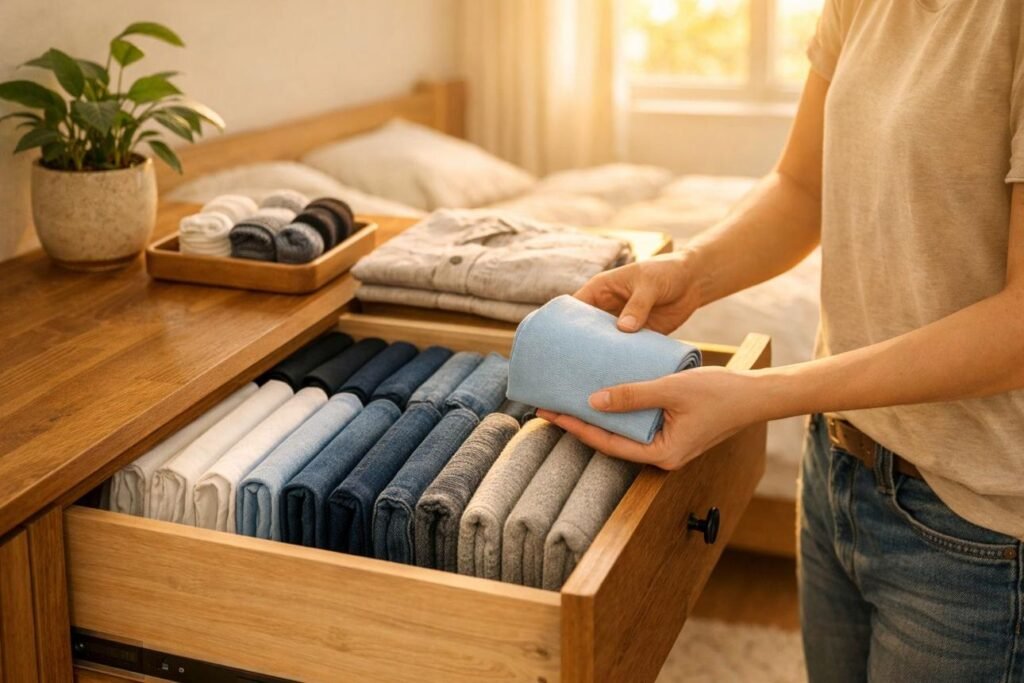
Make sure clothes are completely dry before putting them away. Fold everyday items neatly and hang garments that need to maintain their shape.
Use suitable hangers for shirts, dresses and jackets. Heavy knitwear may be better folded rather than hung, as hanging can stretch some fabrics.
Keep your wardrobe clean and avoid packing it so tightly that clothes become difficult to remove.
7. Treat Small Stains and Loose Threads Early
A small stain or loose thread may not seem like a big problem at first. However, ignoring it can make the garment look untidy or allow the damage to become worse.
Check your clothes after wearing them, especially light-coloured outfits. Treat stains according to the fabric care instructions rather than rubbing them aggressively.
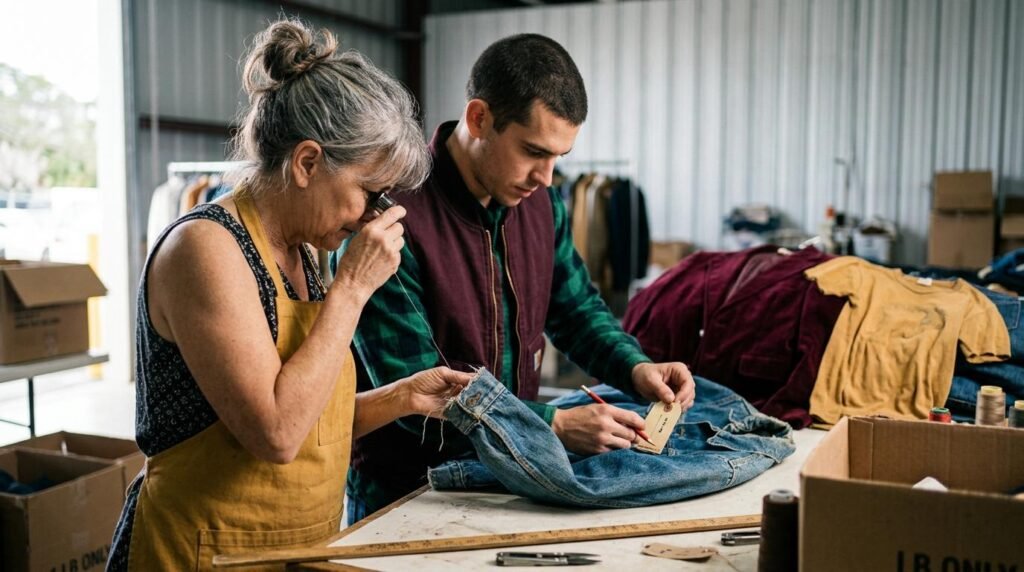
If you notice a loose button or small seam opening, repair it before wearing the garment again. Keeping a basic sewing kit at home can be useful for simple fixes.
Early care can help you avoid bigger repairs later.
Give Your Wardrobe a Longer Life
Keeping clothes in good condition is not only about buying better fabrics. Everyday care also plays an important role in how long your favourite outfits remain wearable.
Reading care labels, separating laundry, using the right amount of detergent and storing garments properly are simple steps anyone can follow.
Start with one or two changes in your regular laundry routine. With consistent care, your wardrobe can stay neat, fresh and ready to wear for longer.