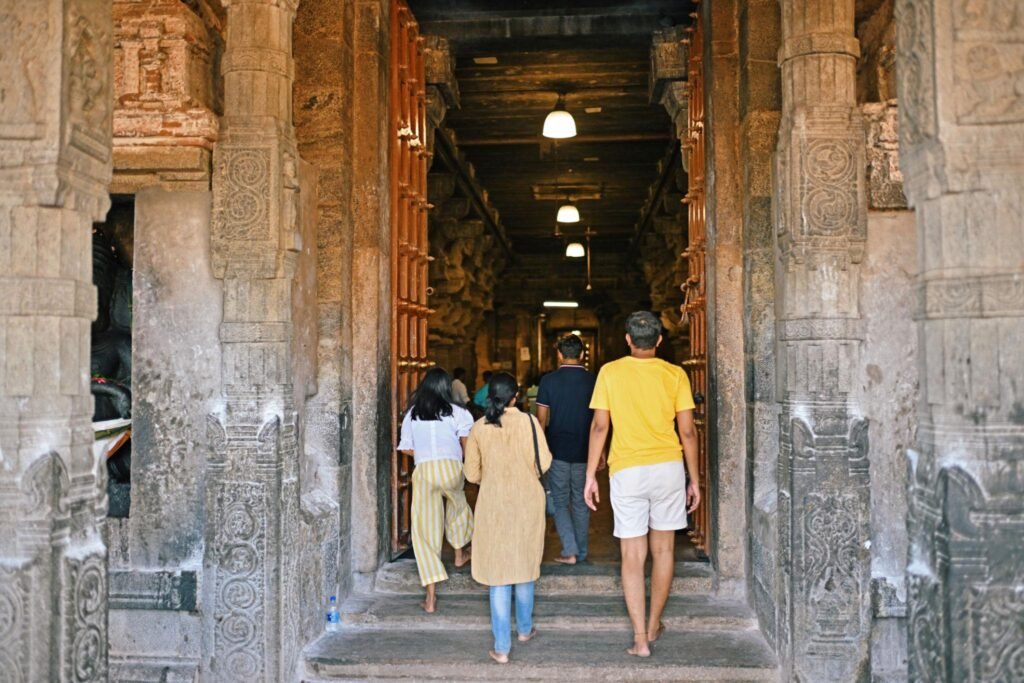
India is home to thousands of temples, from famous pilgrimage centres to small historic shrines located in quiet towns and villages. For many families, visiting a temple is not just a holiday activity but also a meaningful way to spend time together and explore the country’s culture.
Some temple towns attract large crowds throughout the year, while others become especially busy during festivals and special occasions. A little planning can make the journey more comfortable and help visitors avoid common travel problems.
Whether you are planning a short weekend visit or a longer pilgrimage with family, it is useful to prepare before leaving home. Travel arrangements, temple timings, clothing and local transport can all affect your experience.
Here are seven important things to check before planning a temple trip in India.
1. Check Temple Timings Before You Travel
One of the first things to do is check the temple’s opening and closing timings. Some temples remain open throughout the day, while others follow separate morning and evening schedules.
Certain temples may also close for a few hours between prayer sessions or during specific rituals. Timings can change during festivals, special occasions and local events.
Check the official temple website or contact the temple office whenever possible. Do not depend only on old information shared on travel websites or social media.
If you want to attend a particular prayer or ceremony, find out its schedule in advance. This can help you plan your arrival without unnecessary waiting.
2. Choose the Right Time to Visit
The season and day of your visit can make a big difference to your journey.
Popular temples often receive more visitors during weekends, public holidays and major festivals. If you prefer a quieter experience, consider travelling on a regular weekday, depending on your schedule.
Also check the local weather before finalising your dates. Summer temperatures can be high in many parts of India, while some hill regions may experience cold weather or heavy rain during certain months.
For outdoor temple visits, comfortable weather can make walking and waiting easier. If you are travelling during a festival, prepare for larger crowds and possible changes to local traffic arrangements.
3. Book Your Stay in Advance
If the temple is located in a popular pilgrimage town, finding a suitable hotel at the last minute may be difficult.
Compare accommodation options based on distance, cleanliness, reviews and facilities. Staying close to the temple can reduce travel time, but a hotel slightly farther away may offer better prices or easier access to transport.
Families travelling with children or elderly members should check whether the property has lifts, accessible rooms and basic facilities.
Read the cancellation policy before paying. If your travel dates are likely to change, flexible booking conditions can be useful.
4. Understand the Dress Code and Entry Rules
Different temples may have different rules for visitors. Some require traditional or modest clothing, while others have specific restrictions on footwear, bags, photography and electronic devices.
Check these details before packing. Carry clothes that are comfortable and suitable for the temple’s requirements.
If photography is not allowed inside the premises, respect the instructions. Some temples also have separate areas for depositing shoes, mobile phones or personal belongings.
Avoid assuming that every temple follows the same rules. Checking in advance can save time and prevent confusion at the entrance.
5. Plan Local Transport and Parking
Reaching a temple town is only one part of the journey. You should also understand how to travel between your hotel, the temple and nearby attractions.
Some famous temples are located in busy areas where private vehicles may not be allowed close to the entrance. Visitors may need to walk a certain distance or use local transport.
Check whether buses, auto-rickshaws, taxis or shuttle services are available. If you are driving, look for authorised parking areas before reaching the destination.
During crowded periods, local roads may become busy. Keeping extra travel time in your schedule can help you avoid rushing.
6. Pack a Small Bag With Useful Essentials
A short temple visit usually does not require heavy luggage. Carry a small bag with items that are allowed inside the temple premises.
Useful essentials may include a water bottle, some cash, identification documents, a phone charger and basic personal items. If you are travelling with children, pack their regular essentials separately.
Comfortable footwear is important because some temple visits involve walking and standing for long periods. You may also need to remove your shoes before entering certain areas.
If you take regular prescription medicines, carry them in their original packaging and keep them accessible during the journey.
7. Keep Extra Time for Crowds and Nearby Places
A temple visit may take longer than expected, especially during weekends and festivals. Security checks, queues and local traffic can affect your schedule.
Avoid planning too many activities immediately after your temple visit. Keeping some free time allows you to explore the area without feeling rushed.
Many temple towns also have historic streets, local markets, traditional food places and cultural attractions. You can include a few nearby spots if they fit your interests and available time.
However, check their opening hours and distance before adding them to your plan. A simple itinerary is often easier to manage than a packed schedule.
Make Your Temple Journey Comfortable
A temple trip can be a meaningful way to explore India’s heritage while spending quality time with family and friends. Good planning helps make the experience smoother, especially when visiting popular destinations.
Check the timings, understand the entry rules, book suitable accommodation and arrange local transport before leaving. Also keep your schedule flexible to manage crowds and unexpected changes.
With a little preparation, you can focus more on the journey, the surroundings and the experience instead of worrying about last-minute arrangements.