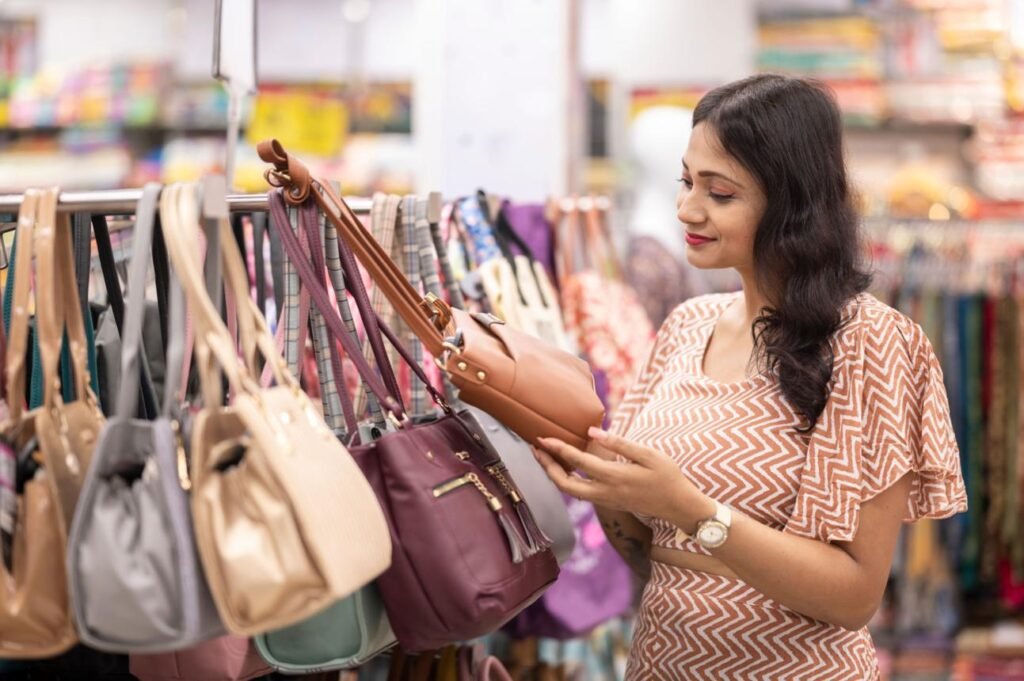
Buying second-hand clothes has become an interesting option for people who want to refresh their wardrobe without spending too much. From vintage jackets and denim jeans to traditional outfits and everyday tops, pre-loved clothing can offer plenty of choices.
Thrift stores, resale websites and local clothing markets have also made it easier to find clothes that are different from regular fashion collections. Some shoppers enjoy searching for unique pieces, while others prefer second-hand shopping because it can help them use their clothing budget more carefully.
However, buying pre-loved clothes requires a little extra attention. A low price does not always mean a good deal. An item may have hidden damage, an unsuitable fit or cleaning requirements that make it difficult to use.
Before choosing your next thrift-store find, keep these seven common mistakes in mind.
1. Buying Something Just Because It Is Cheap
A very low price can make an item look attractive, but that does not mean you need it.
Many shoppers end up buying clothes simply because they seem like a bargain. Later, they realise that the colour, design or style does not match anything else in their wardrobe.
Before purchasing, think about where and how you will wear the item. A jacket that matches your regular outfits may be more useful than three inexpensive tops that remain unused.
A good purchase should offer value, not just a low price.
2. Ignoring Small Stains and Fabric Damage
Second-hand clothes may have been worn several times, so checking their condition is important.
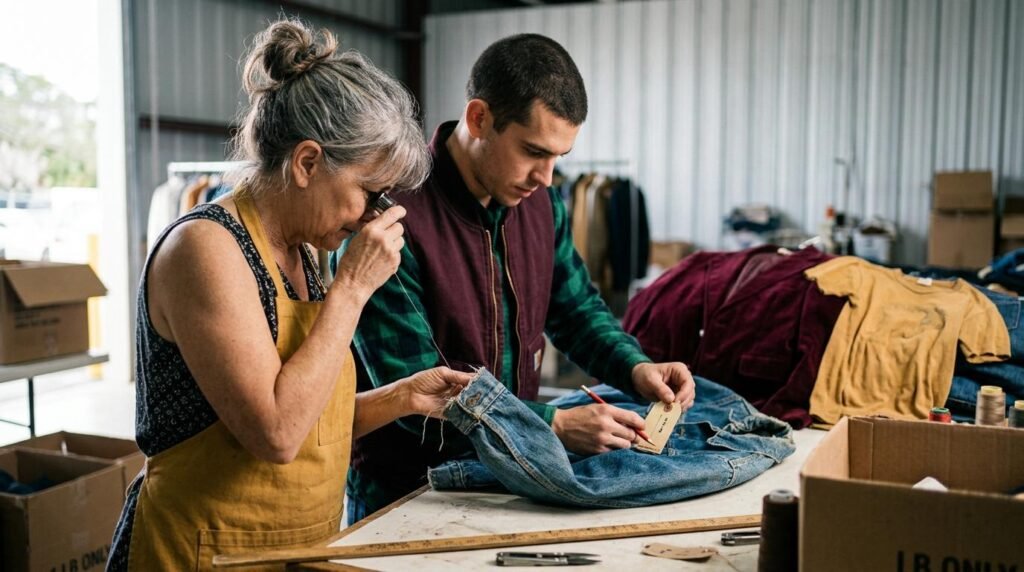
Look carefully at the front, back, sleeves, collars and areas around the pockets. Small stains, loose threads, tiny holes and faded patches can sometimes be difficult to notice under shop lighting.
Also check buttons, zippers and seams. A missing button may be easy to replace, but a damaged zipper or torn seam could require extra work.
If you are shopping online, ask for clear pictures of any visible marks or damaged areas before placing an order.
3. Not Checking the Size Properly
Clothing sizes can vary between brands, countries and different fashion periods. A medium-sized shirt from one label may fit differently from another.
This is especially important when buying vintage clothing, where size labels may not match current measurements.
Instead of depending only on the size written on the tag, check measurements such as chest, waist, shoulder and garment length.
For online purchases, compare these details with a similar item you already own. This simple step can reduce the chances of receiving something that does not fit comfortably.
4. Forgetting to Check the Fabric
The fabric plays an important role in how a garment looks, feels and lasts.
Before buying, check the material label if it is available. Natural fabrics, blends and synthetic materials can all have different care requirements.
Feel the fabric to check whether it has become too thin, rough or stretched. Pay attention to areas that experience regular friction, such as underarms, elbows and knees.
Also consider the weather and your comfort. A heavy fabric may not be useful for everyday summer wear, while a delicate material may require more careful handling.
5. Skipping the Cleaning Instructions
A second-hand garment should be cleaned properly before it becomes part of your regular wardrobe.
However, not every item can be washed in the same way. Some clothes may require gentle washing, while others may need professional dry cleaning.
Check the care label before purchasing, especially if you are considering delicate dresses, woollen garments or heavily decorated outfits.
If the clothing has a strong smell or visible marks, think about whether it can be cleaned easily. Avoid buying anything that appears heavily soiled or has signs of mould.
6. Buying Without Checking the Seller
When shopping through resale websites or social media pages, the seller matters as much as the product.
Read customer reviews and check whether the seller provides clear product pictures, accurate descriptions and contact information.
Look for details about the return policy, delivery charges and refund conditions. Some second-hand sellers do not accept returns, so it is better to understand the rules before making payment.
Avoid transferring money to unknown sellers without checking their credibility. A little research can help prevent an unpleasant shopping experience.
7. Not Thinking About How Often You Will Wear It
A unique outfit may look exciting in a store, but it may not be practical for your lifestyle.
Before buying, imagine at least two or three ways to style the garment. Think about whether it can work with your existing jeans, trousers, skirts or footwear.
For example, a simple pre-loved shirt may work for casual outings, office wear and weekend plans. A heavily decorated piece may be suitable only for a particular occasion.
Choosing versatile clothing can help you build a wardrobe that feels more useful and personal.
Make Second-Hand Shopping More Thoughtful
Buying second-hand clothes can be a practical way to explore different styles, find unusual pieces and make better use of your clothing budget.
The key is to look beyond the price tag. Check the condition, size, fabric, cleaning requirements and seller details before making a decision.
A little patience can help you find clothes that suit your style and are comfortable to wear. Instead of buying more items simply because they are inexpensive, focus on choosing pieces you will genuinely enjoy using.