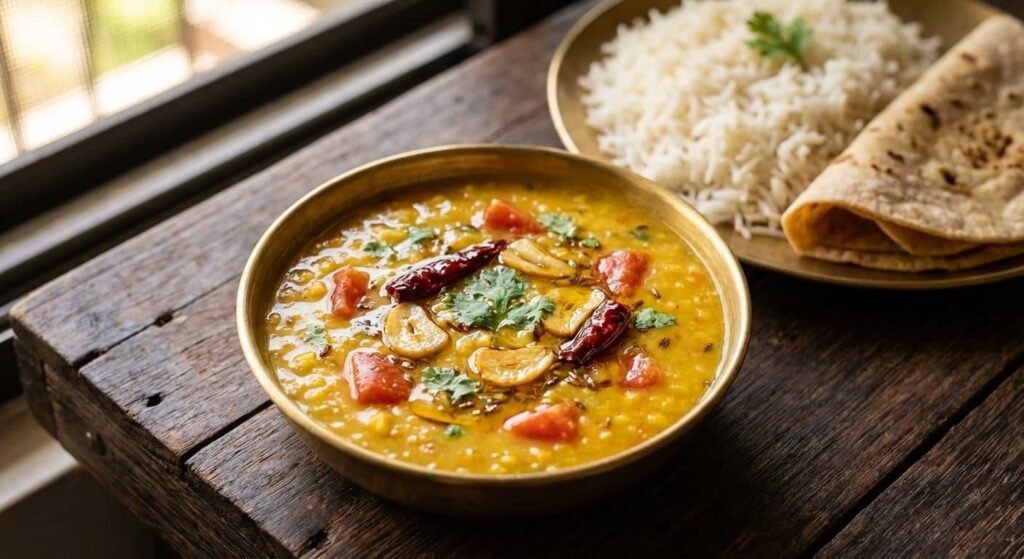
Lentils are a common part of Indian meals. From simple dal and khichdi to soups and salads, they can be prepared in many different ways. They are affordable, easy to cook and available in several varieties, making them a useful food choice for everyday meals.
Different types of lentils include moong dal, masoor dal, toor dal, urad dal and chana dal. Each variety has its own taste and cooking method, but most provide important nutrients that support a balanced diet.
Lentils are especially known for their protein and fibre content. They also provide minerals and other nutrients that the body needs as part of a healthy eating routine.
Here are seven reasons why adding lentils to your regular meals can be a good idea.
1. Lentils Are a Good Source of Plant Protein
Protein is an important nutrient that helps the body maintain and repair tissues. It also supports muscles and many normal body functions.
Lentils provide plant-based protein, which makes them a useful food for people who want to include more non-meat protein sources in their meals.
They can be combined with rice, roti or other grains to create filling everyday dishes. A bowl of dal with rice is a familiar example of how lentils can become part of a balanced Indian meal.
People who follow vegetarian diets can include different types of lentils throughout the week to add variety to their protein sources.
2. They Provide Dietary Fibre
Fibre is an important part of a healthy diet. Lentils contain dietary fibre, which supports normal digestion and helps maintain regular bowel movements.
Including fibre-rich foods in daily meals can also help people feel satisfied for longer. This may make it easier to manage hunger between meals.
Lentils can be combined with vegetables to increase the fibre content of a meal. For example, adding carrots, spinach or bottle gourd to dal creates a simple and nutritious dish.
It is also useful to drink enough water when increasing fibre intake.
3. Lentils Support a Balanced Diet
Lentils provide more than just protein and fibre. They also contain nutrients such as iron, folate, potassium and magnesium.
These nutrients have different roles in the body. For example, iron is needed for normal oxygen transport, while folate supports normal cell growth and function.
The exact nutrient content can vary depending on the type of lentil and how it is prepared.
Eating different varieties can help add nutritional variety to regular meals. However, lentils should be part of a balanced diet that also includes vegetables, fruits, grains and other food groups.
4. They Can Help You Feel Full
Meals containing protein and fibre can be more satisfying than meals made mainly with refined carbohydrates.
Since lentils provide both nutrients, they can help make everyday meals feel more filling. This can be useful for people who often feel hungry soon after eating.
A bowl of thick dal with vegetables, for example, can make a satisfying lunch or dinner.
Portion size and the ingredients used in preparation also matter. Adding large amounts of butter, cream or oil can change the overall nutritional value of the dish.
5. Lentils Are Easy to Use in Everyday Cooking
One of the biggest advantages of lentils is their versatility. They can be used in traditional Indian recipes as well as many other simple dishes.
Moong dal can be used for khichdi, while masoor dal works well in soups and everyday curry preparations. Chana dal can be cooked with spices or added to vegetable dishes.
Cooked lentils can also be mixed with chopped cucumber, tomatoes, onions and lemon juice to prepare a simple salad.
This variety makes it easier to include lentils regularly without preparing the same dish every day.
6. They Are an Affordable Food Choice
Lentils are widely available in Indian grocery stores and local markets. They are generally more affordable than many other protein-rich food options.
A small quantity can be used to prepare several servings, depending on the recipe and portion size.
Keeping two or three varieties at home can make meal planning easier. They can also be stored in clean, dry and airtight containers to protect them from moisture.
For families looking to prepare nutritious meals without spending too much, lentils can be a practical pantry choice.
7. Lentils Offer Many Options for Different Meals
Lentils are not limited to lunch or dinner. They can be included in different meals depending on personal preferences.
A simple moong dal chilla can be prepared for breakfast. Lentil soup can be served as an evening meal, while cooked dal can be paired with rice or roti for lunch.
Sprouted lentils can also be added to salads, provided they are handled and prepared safely. People can choose recipes based on their cooking time, taste and daily routine.
How to Add More Lentils to Your Diet
Start by including one lentil-based dish in your regular meal plan. Try different varieties instead of relying on only one type.
Wash lentils properly and cook them until they are soft and fully done. Adding vegetables, herbs and mild spices can improve their taste without making the recipe complicated.
If lentils cause gas or bloating, begin with smaller portions and increase them gradually according to your comfort.
Lentils are not a complete solution for every nutritional need, but they are a useful part of a varied diet. Their protein, fibre, minerals, affordability and cooking flexibility make them a practical choice for everyday Indian meals.