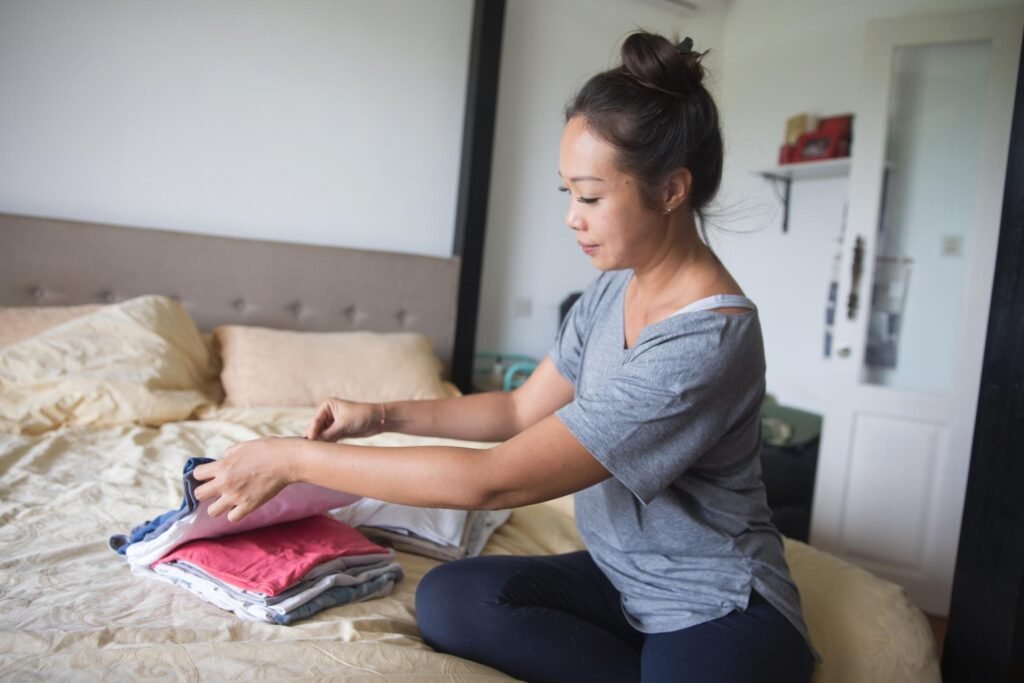
Buying new clothes is exciting, but keeping them in good condition for a long time requires some care. A favourite shirt, dress or pair of jeans can lose its original look much faster than expected if it is not washed, dried or stored properly.
Many people believe that putting clothes in the washing machine is enough to keep them clean. However, small mistakes during laundry and daily use can affect fabric quality, colour and fitting.
Some clothes may become loose, while others may shrink, fade or develop unwanted marks. These problems are not always caused by poor-quality fabric. Sometimes, everyday habits are responsible.
The good news is that a few simple changes can help your wardrobe stay in better condition. Here are seven common clothes care mistakes you should avoid.
1. Washing Every Fabric in the Same Way
One of the most common laundry mistakes is treating every garment equally. Cotton shirts, delicate dresses, woollen clothes and synthetic fabrics do not always need the same washing method.
Using a strong wash cycle for delicate clothing may damage the fabric or affect its shape. Similarly, some garments may need cold water instead of hot water.
Before washing an outfit, check its care label. It usually provides basic instructions about water temperature, washing methods and drying.
Separate delicate clothes from heavier garments and choose a suitable washing cycle. This small step can help prevent unnecessary wear and tear.
2. Using Too Much Detergent
Adding extra detergent may seem like a good way to make clothes cleaner, but it does not always improve the result.
Too much detergent can leave residue on fabric and may make clothes feel stiff. It can also be difficult to rinse out completely, especially when the washing machine is overloaded.
Follow the quantity recommended on the detergent packaging. The amount may depend on the load size, water conditions and level of dirt.
If your clothes regularly feel soapy after washing, check whether you are using too much detergent or selecting an unsuitable wash cycle.
3. Leaving Wet Clothes Inside the Washing Machine
After a wash cycle finishes, some people leave clothes inside the machine for several hours. This can create an unpleasant smell, particularly in warm and humid conditions.
Damp clothes kept in a closed space for too long may develop musty odours. You may then need to wash them again before wearing them.
Make it a habit to remove laundry soon after the washing cycle is complete. If you cannot dry the clothes immediately, keep them in a place where air can circulate.
Also remember to leave the washing machine door open for some time after use, following the manufacturer’s instructions, so the drum can dry.
4. Drying Every Outfit Under Strong Sunlight
Sunlight can help dry clothes naturally, but keeping every fabric under direct sunlight for long periods may affect its colour.
Dark and brightly coloured garments can fade with repeated exposure. Some delicate fabrics may also become weaker if they are dried in unsuitable conditions.
Check the care label before deciding how to dry an outfit. Turn coloured clothes inside out when appropriate and choose a shaded, well-ventilated area for delicate garments.
Avoid leaving laundry outside longer than necessary. Proper drying helps clothes stay fresh without exposing them to unnecessary damage.
5. Hanging Heavy Clothes on Thin Hangers
The wrong hanger can affect the shape of certain garments. Heavy sweaters, knitted tops and some delicate outfits may stretch when they are hung for long periods.
Thin wire hangers can also leave unwanted marks around the shoulders of shirts and jackets.
Choose hangers according to the type of clothing. Padded or wider hangers may be suitable for delicate tops and jackets, while heavier garments may be better folded and placed on shelves.
Avoid overcrowding the wardrobe. Clothes need enough space to hang properly without becoming badly creased.
6. Ironing Clothes at the Wrong Temperature
Using a very hot iron on every garment is another common mistake. Different fabrics have different heat requirements, and an unsuitable temperature may leave shiny marks or even burn the material.
Always check the ironing instructions on the garment label. If the fabric is delicate, use a lower temperature or a suitable protective cloth when recommended.
Do not leave a hot iron in one place for too long. Keep it moving gently across the fabric and use steam only when appropriate for the garment.
If you are unsure about a particular fabric, test a less visible area carefully before ironing the entire outfit.
7. Storing Clothes Without Cleaning Them First
Putting worn clothes directly into the wardrobe can create problems over time. Sweat, food marks, perfume and other residues may remain on fabric even when they are not clearly visible.
Storing such clothes for long periods may lead to unpleasant smells and stains that become harder to remove.
Wash or clean garments according to their care labels before storing them for the next season. Make sure they are completely dry before placing them inside cupboards or storage bags.
Keep wardrobes reasonably clean and dry. For seasonal clothing, use suitable storage covers and avoid packing garments too tightly.
Simple Care Can Help Clothes Last Longer
Looking after clothes does not require expensive products or complicated routines. Most damage can be avoided by paying attention to washing instructions, using the right amount of detergent and storing garments properly.
Start by checking the care labels on your favourite outfits. Separate delicate fabrics, remove wet laundry promptly and choose suitable hangers for different garments.
These small habits can help maintain the colour, shape and comfort of your clothes. With a little extra care, you may be able to enjoy your favourite outfits for many more seasons.