A home does not need expensive furniture or stylish decorations to look beautiful. Sometimes, a few simple changes in the way you arrange everyday items can make a room feel cleaner and more organised.
However, many people unknowingly follow habits that make their homes look untidy. Leaving small items on tables, keeping too many things on open shelves or ignoring unused corners can slowly create visual clutter.
Even when a room is cleaned regularly, these small mistakes can make it appear messy. The good news is that most of them are easy to correct without buying new furniture or spending a lot of money.
Whether you live in a small apartment or a spacious house, a little attention to everyday organisation can make a noticeable difference.
Here are seven common home organisation mistakes you should avoid.
1. Keeping Too Many Things on Kitchen Counters
Kitchen counters are among the first places where clutter starts building up. Small appliances, containers, grocery packets, bottles and utensils often remain on the counter even when they are not being used.
This reduces the available working space and makes the kitchen look crowded.
Keep only the items you use regularly within easy reach. Store extra containers, appliances and rarely used kitchen tools inside cupboards.
You can also keep similar items together in small organisers. A clear counter makes everyday cooking easier and gives the kitchen a more organised appearance.
2. Using Open Shelves to Store Everything
Open shelves can make a room look attractive, but filling them with too many objects can have the opposite effect.
Different colours, shapes and sizes placed together without any arrangement may create a cluttered appearance.
Instead of using every available space, leave some empty areas between objects. Arrange books together, group similar decorative pieces and avoid displaying items that you rarely use.
If you have many small household objects, closed storage may be a better option.
The aim is to keep shelves useful without making them look overcrowded.
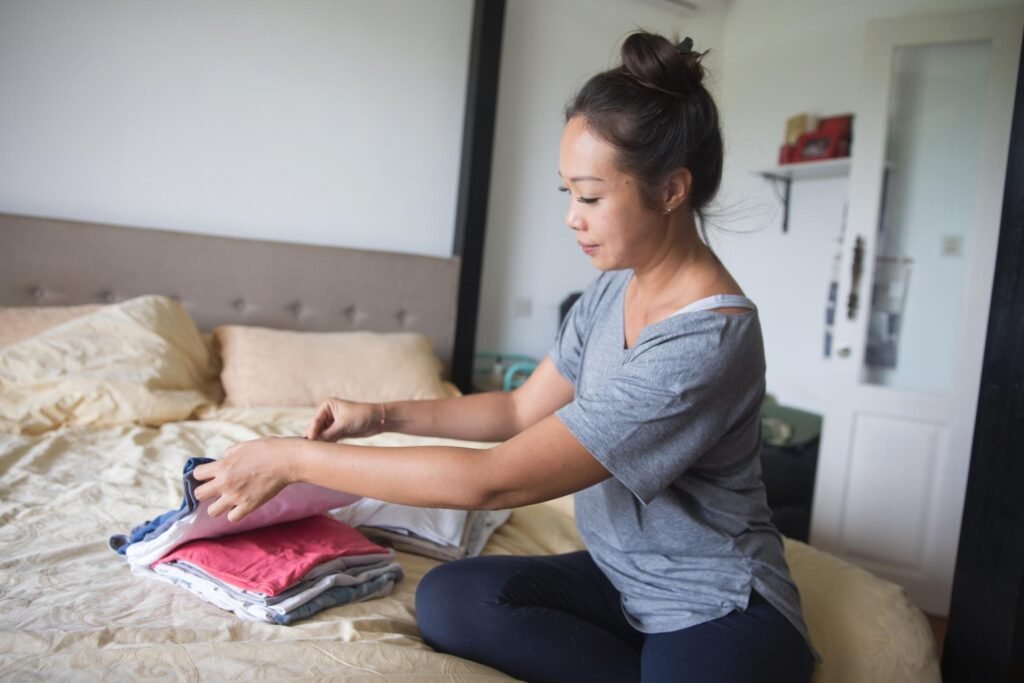
3. Leaving Clothes on Chairs and Furniture
A chair in the bedroom can easily become a temporary storage space for clothes. After a few days, it may hold jackets, bags, towels and outfits that have been worn once.
This small habit can make the entire bedroom look untidy.
Create a proper place for clothes that are not ready for washing but do not need to go back into the wardrobe. A separate basket or a few hooks can help.
Put clean clothes away after folding them and avoid treating chairs or beds as permanent storage areas.
4. Ignoring Small Entryway Clutter
The entrance of a home often collects shoes, slippers, keys, bags, delivery packets and other everyday items.
Since people use this area frequently, clutter can build up quickly. It may also make the entrance feel less welcoming.
Use a shoe rack to keep footwear in one place. Add a small tray or bowl for keys and other daily essentials.
If space is limited, wall hooks can be useful for hanging bags and frequently used items.
A few simple storage arrangements can make the entrance look much neater.
5. Buying Storage Boxes Without Sorting First
Storage boxes and organisers can be useful, but buying them before checking your belongings may create another problem.
People sometimes put unnecessary items into new boxes and store them without deciding whether they actually need them.
Before purchasing organisers, sort your belongings into things you use regularly, items you want to keep and things you no longer need.
Measure the available storage space and choose boxes that fit properly.
Remember that the purpose of storage is to make things easier to find, not simply to hide clutter.
6. Forgetting About Wires and Charging Cables
Loose wires around television units, computer desks and bedside tables can make an otherwise neat room look disorganised.
Charging cables, extension boards and unused electronic accessories often remain scattered across furniture.
Use simple cable clips or organisers to keep frequently used wires together. Store spare chargers and cables in a labelled pouch or small box.
Avoid placing wires where people may trip over them. Keep electrical connections accessible and follow basic safety instructions when arranging them.
A cleaner cable arrangement can improve the appearance of a room without changing its furniture.
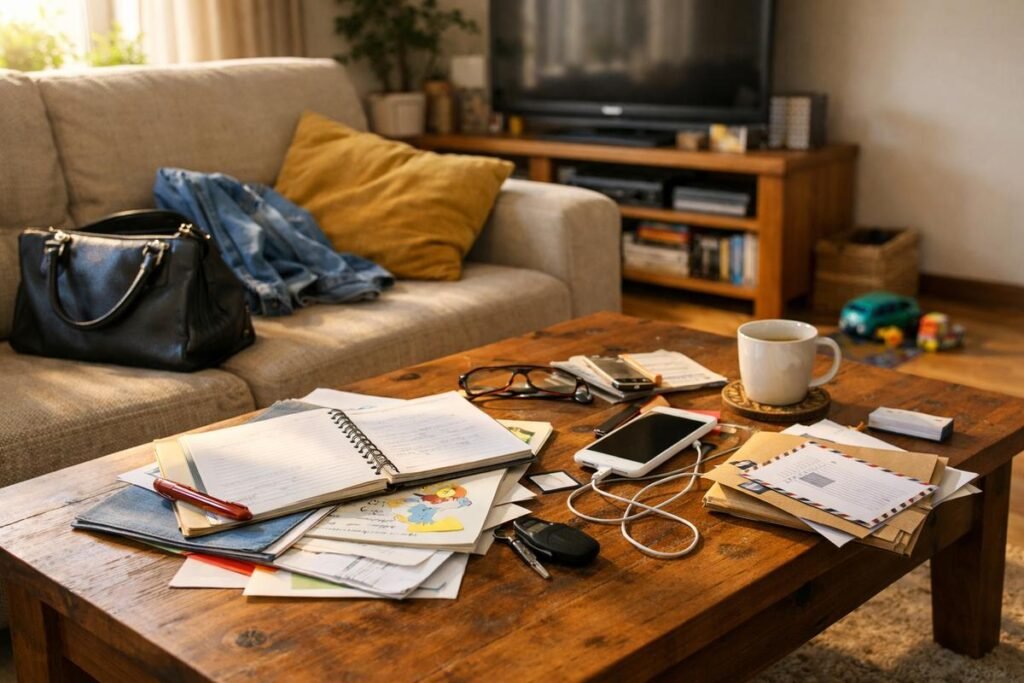
7. Not Having a Regular Place for Everyday Items
Many homes become messy because everyday objects do not have a fixed place. Remote controls, spectacles, wallets, stationery and shopping bags may be left wherever they were last used.
This makes it difficult to find things when needed and encourages clutter to spread.
Choose a specific place for commonly used items. Keep a small tray for remote controls, a drawer for stationery and hooks for frequently used bags.
Ask other family members to follow the same arrangement. When everyone knows where things belong, keeping the home organised becomes easier.
Make Small Changes for a Neater Home
Keeping a home organised does not mean cleaning every corner throughout the day. It is more about creating simple systems that make daily life easier.
Start with one area, such as the kitchen counter, bedroom chair or entrance. Remove unnecessary items and decide where the remaining things should be kept.
Try spending a few minutes returning objects to their proper places before ending the day.
Small habits can prevent clutter from building up and help your home feel more comfortable. A neat home is not about perfection. It is about making the space practical, pleasant and easy to maintain.