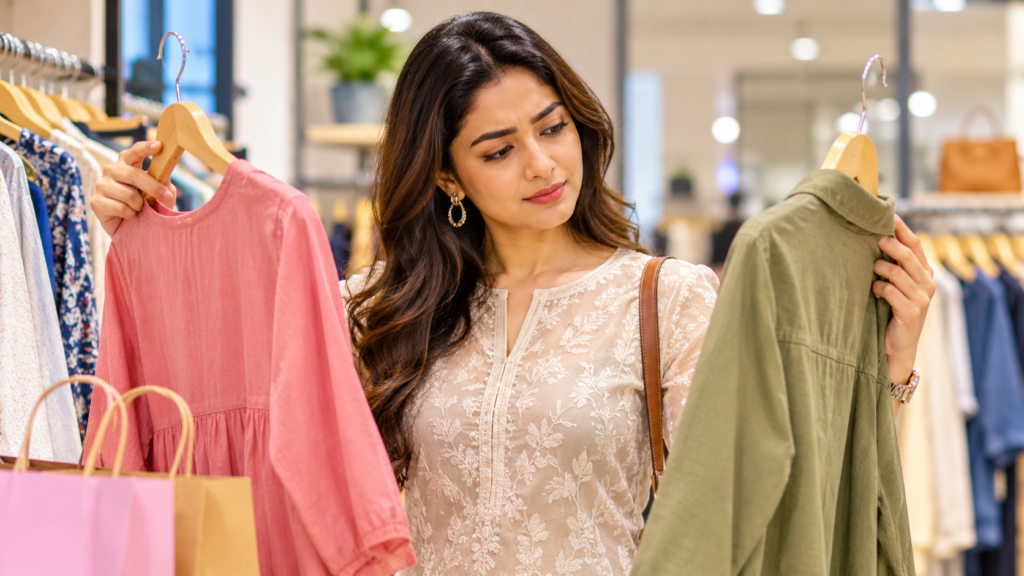
Buying new clothes can be exciting, especially when you find a design that looks perfect in a photograph. But after the parcel arrives or you try the outfit at home, the result is not always what you expected.
Sometimes the colour looks different, the fabric feels uncomfortable or the fit does not suit you. Other times, you buy something because it is trending, only to leave it untouched in your wardrobe for months.
These small shopping mistakes can waste money and make getting dressed more difficult. The good news is that a few simple checks can help you make better choices, whether you shop online or visit a store.
1. Buying Clothes Just Because They Are Trending
Fashion trends change quickly. A particular colour, oversized shirt or style of trousers may appear everywhere one month and become less popular later.
There is nothing wrong with trying a trend you genuinely like. The problem starts when you buy something only because everyone else seems to be wearing it.
Before making a purchase, ask yourself whether you would still want the item if it were not popular on social media. Think about where you would wear it and whether it suits your everyday routine.
If you can imagine several ways to style the piece with clothes you already own, it may be a useful addition to your wardrobe. If you cannot think of a single occasion to wear it, waiting before buying could be the better choice.
2. Ignoring the Fabric Details
A dress or shirt may look attractive in a product photograph, but the fabric determines how it feels and behaves when worn.
Cotton is often a comfortable choice for everyday clothing, while linen can feel suitable for warm weather. Satin, chiffon and other delicate fabrics may require more careful handling, depending on their composition.
When shopping online, read the material description instead of relying only on the pictures. Check whether the item contains cotton, polyester, viscose or a blend of different fibres.
It is also worth checking the washing instructions. A garment that requires special care may not suit someone who prefers easy-to-maintain clothing.
A beautiful outfit is more useful when it feels comfortable and fits your daily routine.
3. Choosing the Wrong Size
One of the most common shopping mistakes is assuming that the same size will fit perfectly across every brand.
Sizing can vary between stores, and the cut of a garment can affect how it sits on your body. A medium-sized shirt from one brand may fit differently from a medium-sized shirt from another.
Before ordering online, check the brand’s size chart and compare the measurements with a garment you already own that fits well.
Pay attention to details such as shoulder width, waist measurement, sleeve length and garment length. For trousers, the waist and inseam can be particularly important.
If you are shopping in person, try the item on when possible and move around in it. Sitting, walking and raising your arms can help you judge whether the fit is comfortable.
4. Forgetting to Check the Return Policy
Online shopping makes it easy to compare styles and prices, but returning an unsuitable item is not always straightforward.
Some products may be exchange-only, while others cannot be returned at all. Sale items, accessories and customised clothing may have different conditions.
Before placing an order, check the return window, refund method and any charges that may apply. Do not assume that every website follows the same policy.
When a parcel arrives, try the item on carefully and keep the tags and packaging until you have decided whether to keep it. If something is damaged or different from the description, check the seller’s instructions for raising a return request.
A quick check before payment can save time and disappointment later.
5. Spending More Than Your Budget Allows
Discounts can make an item look like a bargain, especially when a website displays a limited-time offer. But saving money on something you do not need is not always a useful purchase.
Before shopping, decide how much you are comfortable spending. If you are buying several items, keep track of the total rather than looking only at the price of each piece.
Compare prices across reliable sellers and check whether the listed discount is actually worthwhile. Also consider the quality, expected use and care requirements of the garment.
You do not have to buy the cheapest option every time. A comfortable, well-made item that you wear regularly may offer better value than several pieces that quickly lose their appeal.
6. Buying Clothes Without Planning Outfits
A wardrobe can become crowded even when you feel you have nothing to wear. This often happens when new purchases do not work with the clothes you already own.
Before buying a new top, pair of trousers or jacket, think about at least two or three outfits you could create with it. Consider your usual footwear, preferred colours and the occasions you dress for most often.
Neutral shades can be easy to combine, but that does not mean every wardrobe needs to be filled with black, white and beige. Choose colours and prints you genuinely enjoy wearing.
You can also review your wardrobe before shopping. This helps you notice what you already have and identify the pieces that would make your existing outfits more useful.
Shop With a Little More Thought
Shopping for clothes should be enjoyable, not a source of regret. Checking the fabric, understanding the size chart, reading return conditions and setting a budget can make the experience much easier.
You do not need to follow every trend or replace your wardrobe each season. Focus on pieces that fit comfortably, suit your lifestyle and work with clothes you already own.
The best purchase is not always the newest or most expensive item. It is the one you feel good wearing and reach for again and again.