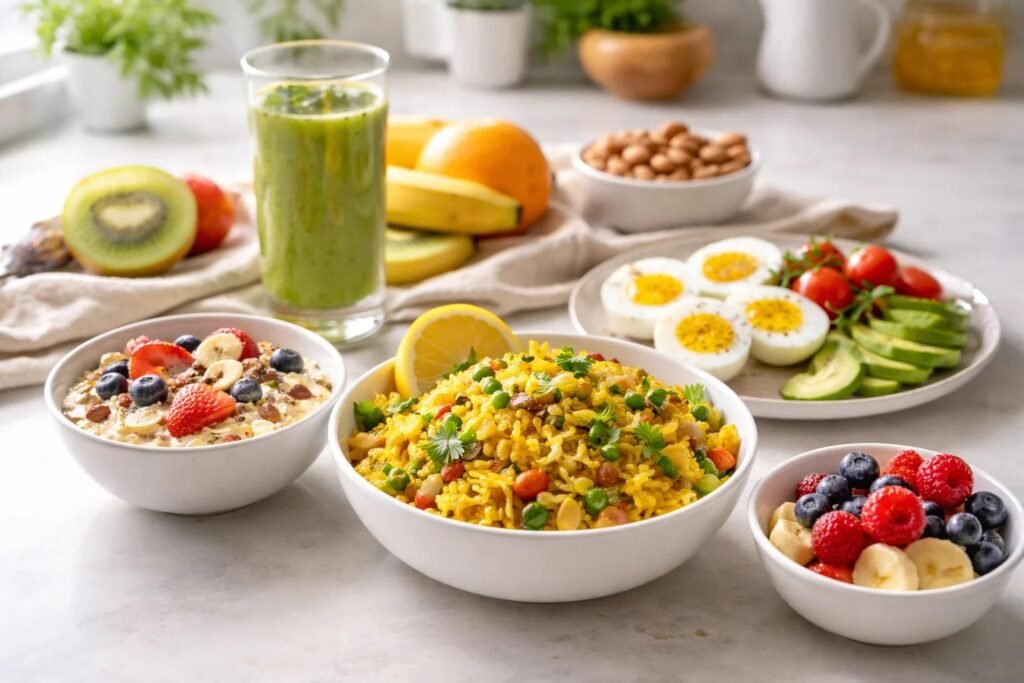
After a long day, preparing dinner can feel like another task on a busy schedule. Many people choose whatever is quick and easy, while others skip a proper meal and depend on snacks, packaged foods or frequent food deliveries.
Dinner is an important part of your daily eating routine. Making a few thoughtful choices can help you enjoy a satisfying meal without spending hours in the kitchen.
Eating healthier in the evening does not mean avoiding rice, roti or your favourite dishes. It is more about including variety, choosing suitable portions and keeping your meals simple.
Here are seven easy ways to make your evening meals healthier.
1. Include Vegetables in Your Dinner
Vegetables are a useful part of everyday meals because they provide dietary fibre and a range of nutrients. However, dinner plates often contain more rice or roti than vegetables.
Try including at least one vegetable dish with your regular meal. You can prepare seasonal sabzi, mixed vegetable curry, stir-fried vegetables or a simple salad.
If you have limited time, keep washed vegetables ready in the refrigerator. You can also use vegetables in dal, khichdi, pulao or homemade sandwiches.
Eating different vegetables throughout the week can make your dinner more colourful and interesting.
2. Add a Source of Protein
A dinner made mostly of rice or roti may not offer enough variety. Including a protein-rich food can make the meal more balanced.
For vegetarian meals, options include dal, rajma, chana, paneer, tofu, curd and soybean. People who eat non-vegetarian food can include eggs, fish or chicken.
You do not need to prepare a separate dish every evening. Regular Indian foods such as dal, chole and rajma can be convenient choices.
Try changing your protein sources during the week so that your meals do not become repetitive.
3. Pay Attention to Portion Sizes
Eating a large dinner simply because you are hungry after a busy day may leave you feeling uncomfortably full.
Instead, serve a reasonable amount of food and eat at a comfortable pace. Include vegetables, a protein source and your usual grains in suitable portions.
You can always take another serving if you are still hungry. Avoid forcing yourself to finish everything on the plate when you feel satisfied.
Portion needs differ from person to person, so focus on your own appetite rather than following a fixed quantity.
4. Avoid Making Fried Food an Everyday Choice
Pakoras, samosas, chips and other fried foods are popular evening options. There is no need to completely avoid foods you enjoy, but eating them too frequently can make it harder to maintain variety in your meals.
Try including different cooking methods in your routine. Steamed vegetables, homemade soups, lightly sautéed dishes and grilled foods can offer alternatives.
For example, you can prepare vegetable chilla, roasted makhana or homemade sandwiches when you want something different.
Keep fried favourites as occasional choices rather than making them the main part of dinner every day.
5. Be Careful With Packaged Sauces and Ready-Made Foods
Packaged sauces, instant noodles, ready-to-eat snacks and processed foods can save time, especially on busy evenings. However, some products contain high amounts of salt, added sugar or saturated fat.
Make it a habit to check the nutrition label before buying packaged foods. Pay attention to serving size and ingredients instead of relying only on attractive packaging.
When possible, prepare simple alternatives at home. Homemade chutney, fresh tomato-based sauces and basic vegetable dishes can be useful options.
You do not have to stop buying convenience foods, but choosing them thoughtfully is a practical habit.
6. Keep Dinner Timing Consistent
An irregular evening routine can make it difficult to plan meals. Some days you may eat very early, while on other days dinner may be delayed because of work, travel or screen time.
Try to maintain a meal schedule that suits your daily routine. Preparing ingredients earlier in the day can make cooking easier when you return home.
Avoid waiting until you are extremely hungry before deciding what to eat. Keeping simple ingredients ready can reduce the temptation to depend on last-minute food choices.
Your ideal meal timing may depend on your work schedule and personal needs.
7. Eat Slowly and Avoid Distractions
Many people eat dinner while watching television, scrolling through social media or working on their phones. This can make it easier to lose track of how much food they are eating.
Try sitting at the dining table and giving your meal proper attention. Chew comfortably, take small pauses and notice when you feel satisfied.
Eating slowly also gives you time to enjoy the taste and texture of your food.
You do not need to make every dinner a formal occasion. Simply reducing distractions for a few minutes can make mealtimes more enjoyable.
Make Simple Changes to Your Dinner Routine
Healthier evening meals do not require expensive ingredients or complicated recipes. Everyday foods such as dal, vegetables, curd, roti, rice and seasonal produce can be part of a balanced dinner.
Start by adding one more vegetable, including a protein source or reducing frequent fried snacks. Small changes that suit your routine are easier to maintain over time.
The aim is not to follow a perfect food plan every day. It is to build practical eating habits that make your regular meals more varied and enjoyable.