Planning a holiday usually involves booking flights, choosing hotels and preparing an itinerary. But there is another important detail that travellers often leave until the last moment: travel insurance.
Travel insurance can offer financial support for certain unexpected problems during a trip. Depending on the policy, it may cover eligible medical expenses, trip cancellations, lost baggage and travel delays. However, every policy has different conditions, limits and exclusions.
Choosing a policy only because it is cheap can lead to problems later. Travellers should understand what is covered and what is not before making a payment.
Whether you are planning a domestic holiday or an international trip, here are seven important things to check before buying travel insurance.
1. Check the Medical Expense Cover
Medical expenses are one of the most important parts of travel insurance, particularly when travelling abroad. Healthcare costs can be high in some countries, and an unexpected hospital visit may affect your travel budget.
Check the maximum amount the policy offers for eligible medical treatment. Also look at whether emergency hospitalisation, doctor consultations, ambulance services and emergency medical evacuation are included.
Do not assume that every medical expense will automatically be covered. Some policies have specific limits, conditions or exclusions.
If you are travelling to a country with expensive healthcare, compare the medical cover carefully instead of selecting a policy based only on its price.
2. Read the Policy Exclusions
The exclusions section explains situations in which the insurance company may not provide coverage. It is just as important as the list of benefits.
For example, certain policies may exclude specific adventure activities, particular medical conditions, incidents involving alcohol or claims connected with travel against official advice.
Some policies may also have special rules for pre-existing medical conditions. Travellers should read these conditions honestly and provide accurate information while purchasing insurance.
If you are planning activities such as skiing, scuba diving or trekking, check whether they are covered. You may need a separate add-on or a different policy.
3. Understand Trip Cancellation Rules
Unexpected situations can sometimes force travellers to cancel or change their plans. This is where trip cancellation cover may be useful.
However, not every reason for cancelling a trip is accepted by an insurance company. Policies usually list specific situations in which eligible non-refundable expenses may be covered.
Check whether the policy includes cancellation before departure, interruption after the journey begins or expenses caused by a covered travel emergency.
Also understand the difference between cancellation and a change of travel plans for personal convenience. Simply deciding not to travel may not qualify for a claim.
4. Check Baggage Loss and Delay Benefits
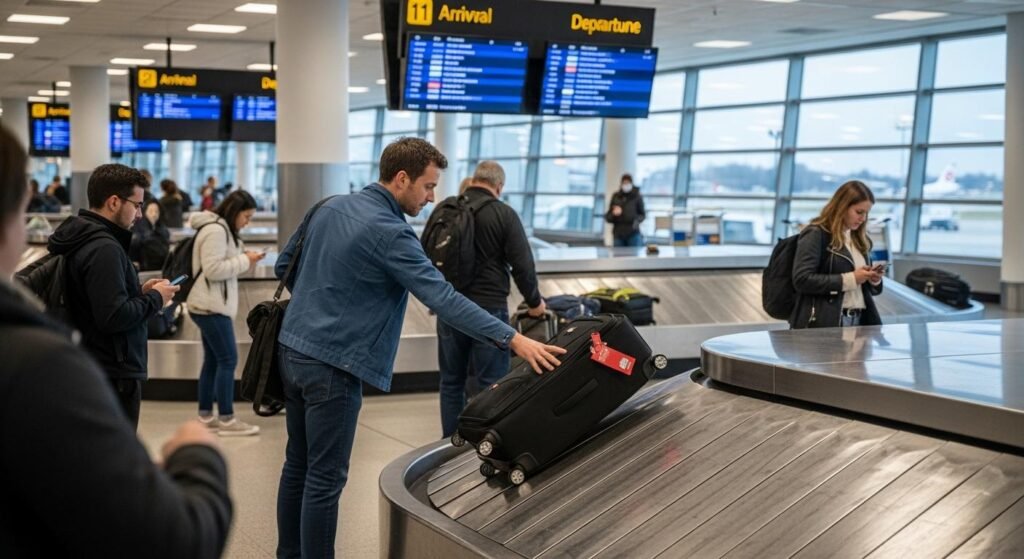
Lost or delayed baggage can create difficulties, especially when travelling with important belongings. Some travel insurance policies provide benefits for eligible baggage-related problems.
Check the maximum amount available for lost or damaged baggage. Read the rules for delayed baggage and understand how long you must wait before making a claim.
There may also be limits on individual items such as cameras, laptops, jewellery and other valuable belongings.
Keep receipts for expensive items and check whether the policy requires proof of ownership. It is also wise to keep essential medicines, travel documents and a change of clothes in your hand luggage.
5. Look at Flight Delay and Missed Connection Cover
Flight delays and missed connections can affect the rest of a travel itinerary. Some insurance policies offer financial support when specific travel disruptions meet their conditions.
Check how long a flight must be delayed before the benefit applies. Also find out whether the policy covers additional accommodation, meals or transport expenses.
If you have booked connecting flights separately, check the rules for missed connections. The cover may depend on the reason for the missed flight and the time available between connections.
Keep airline notifications, boarding passes and receipts for extra expenses. These documents may be required when submitting a claim.
6. Compare the Premium, Limits and Deductibles
A low insurance premium may look attractive, but it does not always mean better value. Compare the benefits, coverage limits and deductibles of different policies.
A deductible is the amount you may have to pay yourself before the insurer pays an eligible claim. Some benefits may also have separate limits, even when the overall policy amount appears high.
Read the payment terms and check whether optional add-ons are included in the quoted price. Compare policies with similar coverage rather than looking at the premium alone.
The right choice depends on your destination, trip length, activities and personal requirements.
7. Understand the Claim Process
Before buying a policy, find out how to contact the insurance company during an emergency. Check whether it has a helpline, online claim facility or assistance partner in your destination.
Read the list of documents needed for common claims. Medical claims may require hospital records and bills, while baggage claims may need airline reports and proof of purchase.
Also check the deadline for reporting an incident and submitting documents. Save the policy number and emergency contact details on your phone and keep an offline copy.
Knowing the claim process in advance can make a stressful situation easier to manage.
Make an Informed Choice Before Your Trip
Travel insurance is not a replacement for careful planning, but the right policy can provide useful financial protection against certain unexpected events.
Read the policy wording, compare the coverage and ask the insurer about anything that is unclear. Never assume that a benefit is included unless it is clearly mentioned in the policy.
A few minutes spent checking the details before departure can help you travel with greater confidence and avoid surprises when you need support.