Many people finish lunch or dinner and immediately sit on the sofa or return to their phones. While relaxing after a meal is normal, spending a few minutes walking can be a useful addition to your daily routine.
The benefits of walking after meals are linked to simple things such as staying active, supporting normal digestion and avoiding long periods of sitting. You do not need to visit a gym or follow a difficult exercise plan to make this habit part of your day.
A short and comfortable walk around your home, terrace or neighbourhood may be enough to get started. The key is to keep the pace gentle, especially immediately after eating.
Here are seven reasons why a little movement after meals can be a good everyday habit.
1. It Helps You Stay Physically Active
One of the easiest ways to increase daily movement is to take short walks whenever you get the opportunity.
Many people spend most of their day sitting at a desk, travelling in a vehicle or watching television. Adding a walk after lunch or dinner can help break up these long periods of sitting.
You do not have to walk for a long time. Even a short walk around your house or building can become a regular part of your routine.
If you have a busy schedule, you can begin with five minutes and gradually increase the duration according to your comfort.
2. It May Support Normal Digestion
Walking at a gentle pace after eating may help support the body’s normal digestive process.
Light movement encourages the body to remain active instead of staying seated for long periods. Some people also find that a relaxed walk feels more comfortable than lying down immediately after a heavy meal.
However, avoid turning this walk into a workout. Running, jumping or doing intense exercises immediately after eating may feel uncomfortable for some people.
A slow walk is a better choice when your stomach is full.
3. It Can Help Manage Post-Meal Blood Sugar
Food provides energy to the body, and blood sugar levels naturally change after eating.
Gentle physical activity after a meal can help muscles use glucose for energy. Research suggests that short walks after meals may help reduce the rise in blood sugar compared with remaining seated.
This is one reason why post-meal walking is often discussed as a useful daily habit.
However, walking is not a replacement for medical advice, prescribed treatment or an individual diabetes management plan. People managing blood sugar concerns should follow guidance from their healthcare professional.
4. It Can Improve Your Daily Mood
A short walk can also give you a break from work, household responsibilities and screen time.
Stepping outside, getting some fresh air and looking at your surroundings may help you feel refreshed. Some people enjoy walking with family members, which also creates an opportunity to spend time together.
You can choose a quiet route near your home or walk around your garden or terrace.
The idea is to make movement enjoyable rather than treating it as another difficult task on your schedule.
5. It May Help You Avoid Long Periods of Sitting
Sitting for long hours has become common, especially for people who work on computers.
A short walk after meals gives you a natural reason to stand up and move. It can also become a useful reminder to take small activity breaks during the day.
Instead of immediately returning to your desk after lunch, walk around the office corridor or building if the space allows.
At home, you can take a few comfortable rounds inside your house.
These small periods of movement can add up over the course of a day.
6. It Can Become a Healthy Family Habit
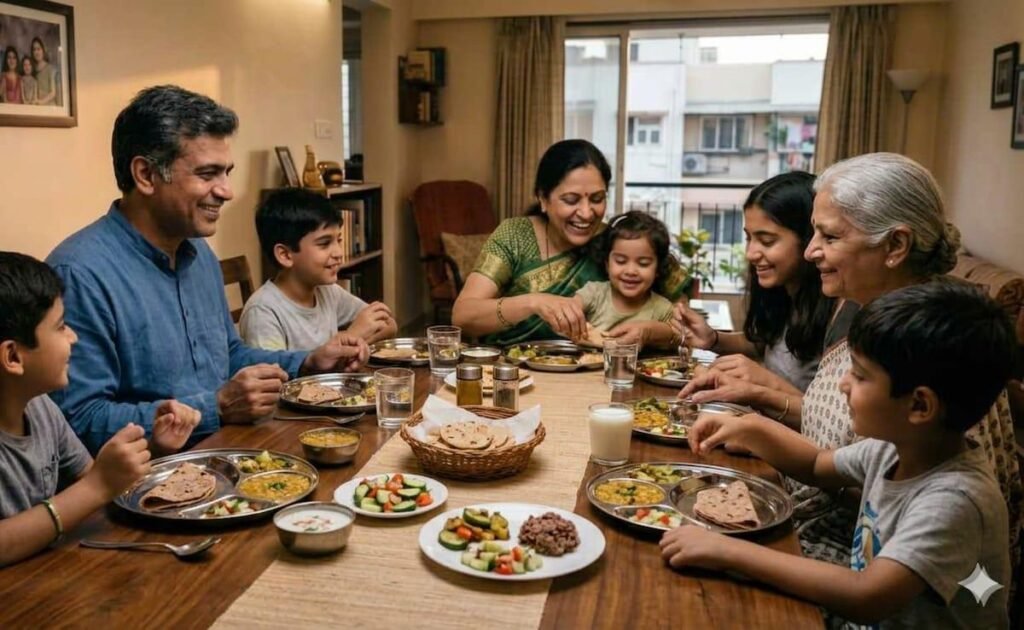
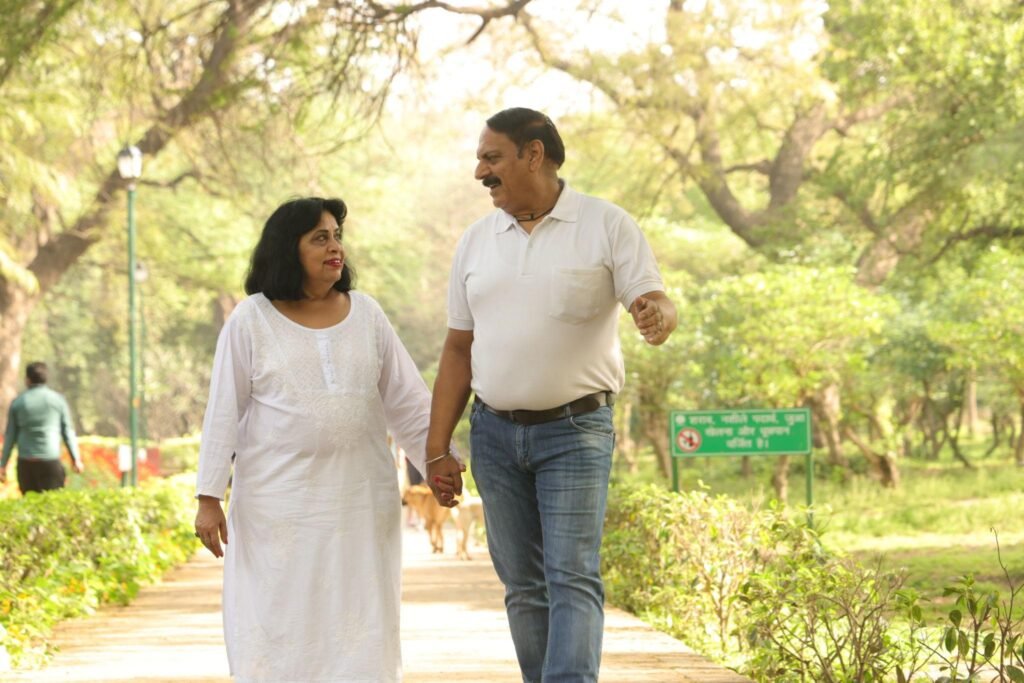
Walking after dinner does not have to be a solo activity. You can invite your partner, parents or children to join you.
A short family walk can become a simple way to spend time together without using mobile phones or watching television.
You can talk about your day, enjoy the evening weather or simply walk quietly.
For older family members, choose a flat and safe walking area. The pace and duration should suit their comfort and mobility.
Making the habit enjoyable can also make it easier to follow regularly.
7. It Can Help You Build a Consistent Routine
Many people start exercising with big goals but find it difficult to continue because of busy schedules.
Walking after meals is a smaller and more practical habit. It does not require special clothing, equipment or a gym membership.
You can begin with one meal each day and add another walk when you feel comfortable.
Try keeping your walking shoes in an easy-to-reach place. A regular time and familiar route can also make the habit easier to remember.
Consistency matters more than trying to walk a long distance on the first day.
How Long Should You Walk After Eating?
There is no single duration that everyone must follow. You can begin with a gentle five to ten-minute walk and adjust according to your comfort and daily schedule.
Avoid walking too fast immediately after a heavy meal. If you feel unusually full, uncomfortable or tired, give yourself time to rest.
Choose comfortable footwear and a safe walking surface. People with existing health concerns, balance difficulties or movement restrictions should ask a healthcare professional what level of activity is suitable for them.
Final Thoughts
Walking after meals is a simple habit that can add more movement to your day. It may support normal digestion, help manage post-meal blood sugar and reduce the time you spend sitting.
You do not need to make big changes overnight. Start with a few comfortable minutes after one meal and build the habit slowly.
A healthy lifestyle is created through small actions repeated regularly, and a short daily walk can be one of them.