Water is one of the simplest parts of a healthy daily routine, yet many people forget to drink enough during a busy day. Some drink very little water until they feel thirsty, while others try to make up for it by drinking several glasses at once.
Your daily water-drinking habits can influence how comfortably you stay hydrated throughout the day. The good news is that you do not need an expensive bottle, a complicated schedule or a special drink to build a better routine. Here are six common water-drinking mistakes to avoid and some easy ways to make hydration part of your everyday life.
1. Waiting Until You Feel Extremely Thirsty
Thirst is a natural signal that your body needs fluids. However, when you are busy working, travelling or studying, it can be easy to ignore that signal until you feel very thirsty. Instead of waiting for thirst to become intense, make drinking water a regular part of your day. Keep a bottle near your desk, take water breaks between tasks and drink when you wake up, if that suits your routine. You do not need to follow a strict timetable. The aim is simply to remember water throughout the day rather than drinking it all at once in the evening.
2. Drinking Too Much Water at Once
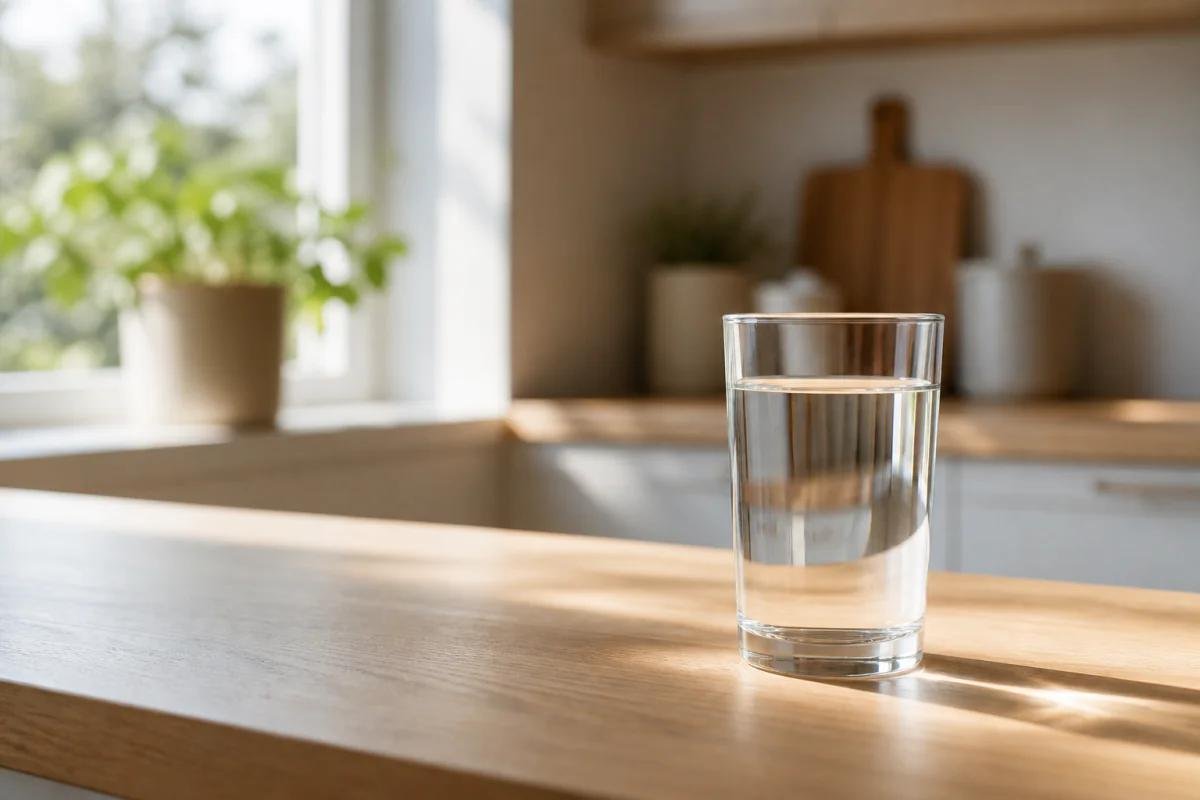
If you realise that you have barely had any water all day, you might feel tempted to drink several glasses together. However, spreading your fluid intake across the day is generally more practical and comfortable. Drinking excessive amounts of water in a short period can also be dangerous because it may lower the sodium level in your blood. This is uncommon during ordinary daily drinking but is an important reason not to force yourself to consume large quantities quickly. A better approach is to take regular drinks and adjust your intake according to your thirst, activity and surroundings.
3. Forgetting Water During Hot Weather
Hot weather can increase fluid loss through sweating, especially when you spend time outdoors. This makes hydration particularly important during summer, outdoor activities and long journeys. Carry drinking water when travelling, walking or working outside. During exercise or heavy sweating, you may need more fluids than you would on a quiet day indoors.
Pay attention to how you feel and take breaks in the shade when temperatures are high. If you experience dizziness, unusual weakness or signs of heat illness, move to a cooler place and seek appropriate medical help when needed. People who have been advised to limit fluids because of a medical condition should follow their healthcare professional’s guidance.
4. Assuming Tea and Coffee Do Not Count as Fluids
Some people believe that tea and coffee cannot contribute to hydration. In reality, the water in these drinks contributes to your overall fluid intake. However, relying entirely on caffeinated drinks may not suit everyone, particularly if caffeine affects their sleep, causes discomfort or makes them feel restless.
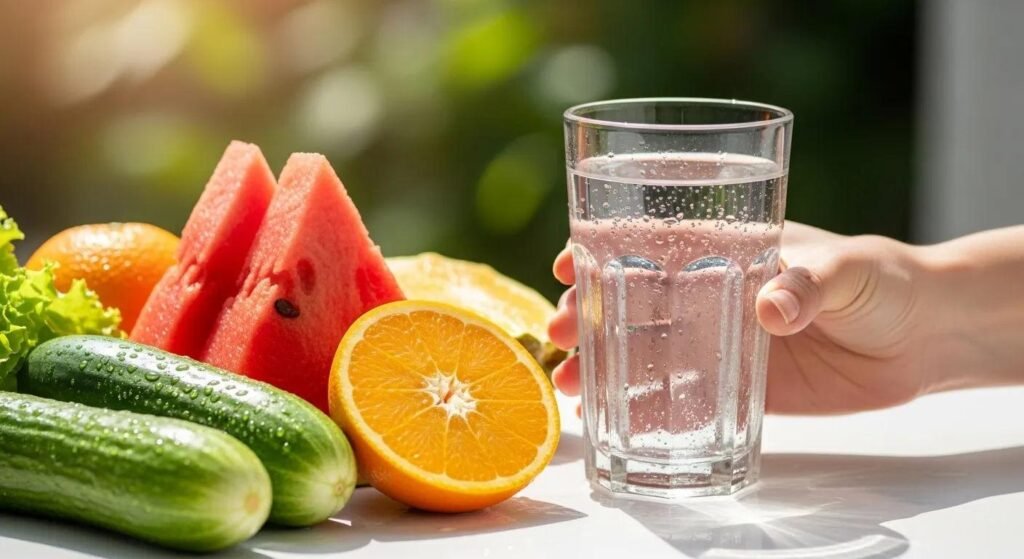
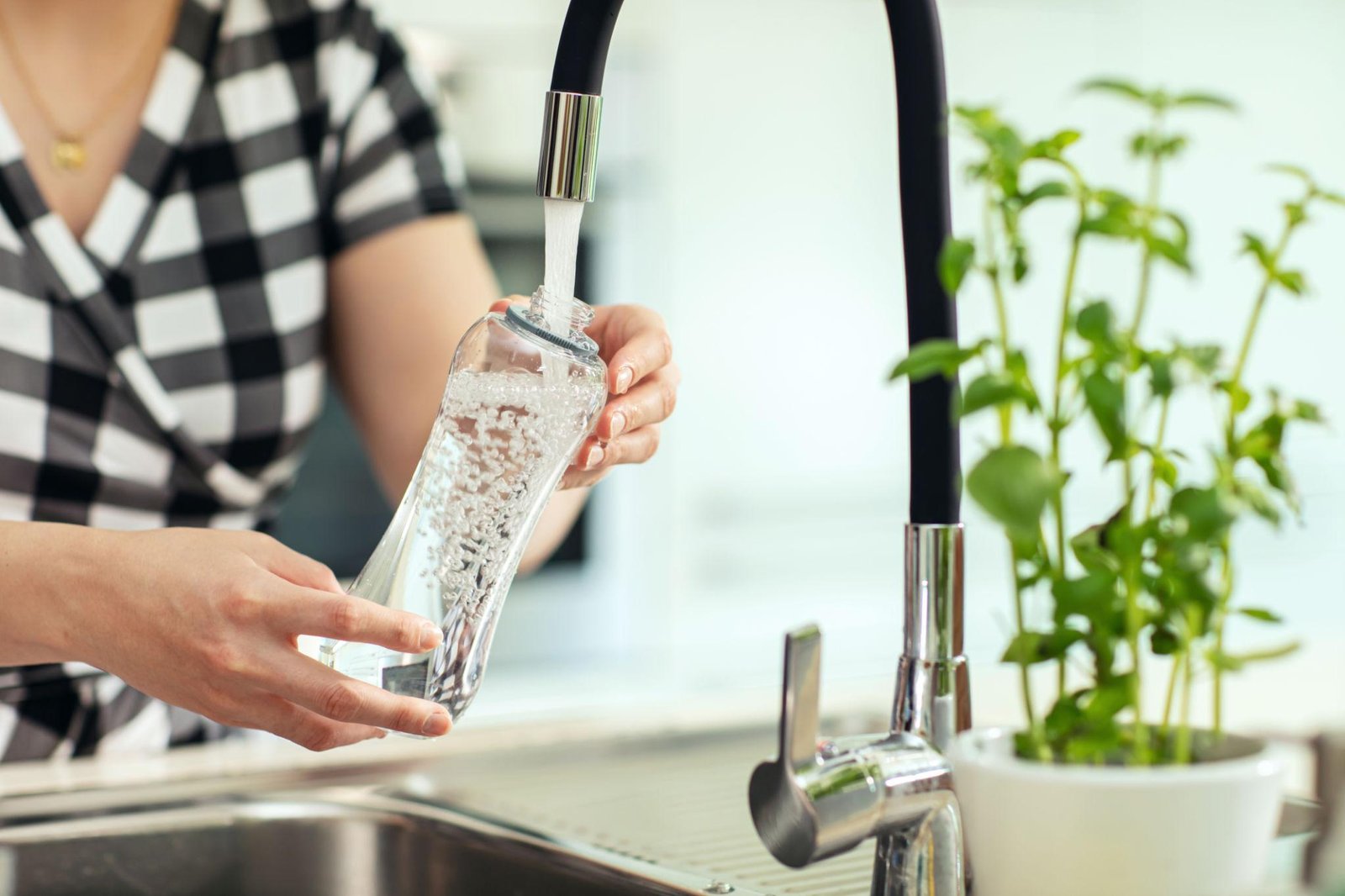
Plain water is a simple everyday choice because it provides fluids without added sugar or caffeine. You can also include other drinks and water-rich foods, such as soups, cucumbers, oranges and watermelon, as part of your routine. The important thing is to consider your overall intake rather than assuming that only plain water matters.
5. Ignoring Water During a Busy Workday
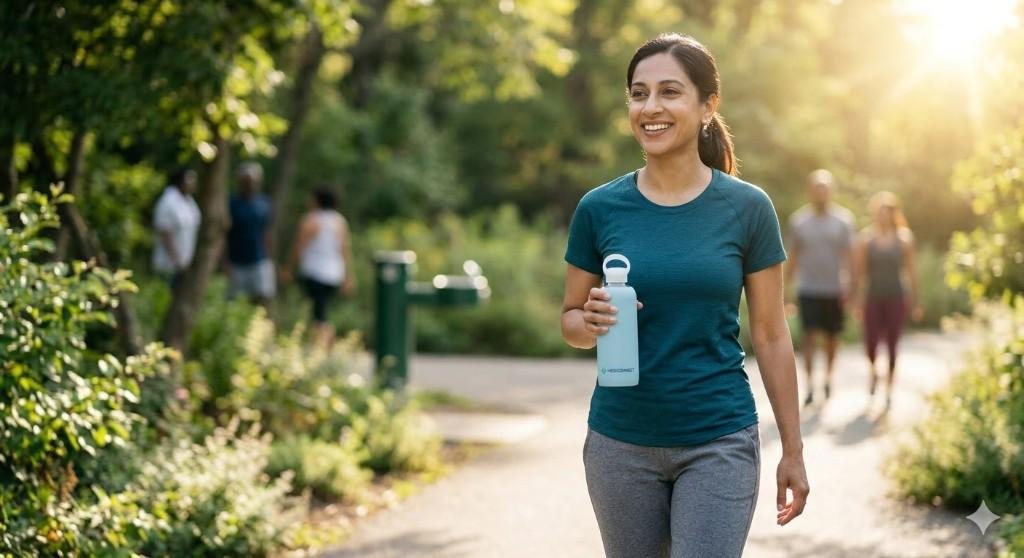
Long meetings, deadlines, classes and hours in front of a computer can make it easy to forget basic needs. You might finish half the day before realising that your water bottle is still full. Try connecting drinking water with activities you already do. For example, take a few sips after completing a task, during a break or before leaving your workplace.
If you often forget, keep a reusable bottle within reach or set a gentle reminder on your phone. Choose a method that feels natural instead of turning hydration into another stressful task. Small, repeatable habits are often easier to maintain than strict daily targets.
6. Following the Same Water Target Every Day
You may have heard that everyone should drink exactly eight glasses of water daily. While this can be a convenient reminder for some people, fluid needs are not identical for everyone. Your needs can vary depending on your age, activity level, climate, diet and health. Someone exercising outdoors in hot weather may need more fluids than someone spending a cool day indoors.
Food and other beverages also contribute to total fluid intake. Rather than forcing yourself to meet a number that may not suit you, pay attention to thirst, your routine and other signs of hydration. Urine that is generally pale yellow can be a useful everyday guide, although vitamins, foods and medicines can affect its colour. It is not a perfect measure on its own.
How to Build Better Water-Drinking Habits
You do not need to change everything in one day. Start by keeping water accessible, drinking at regular intervals and carrying a bottle when you leave home. Increase your fluid intake when your activities or weather conditions call for it, unless you have been advised to restrict fluids.
Avoid treating hydration as a competition or forcing yourself to drink beyond your needs. If you regularly experience excessive thirst, unusually frequent urination or persistent symptoms that concern you, consult a healthcare professional. Good daily water-drinking habits are about consistency, not perfection. A few simple changes can help you make hydration a natural part of your everyday routine.