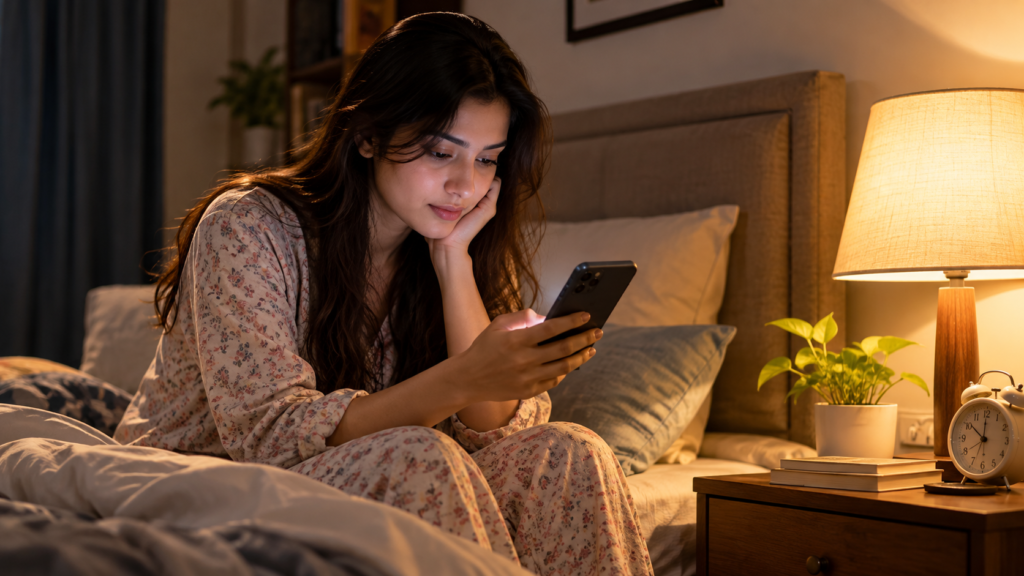
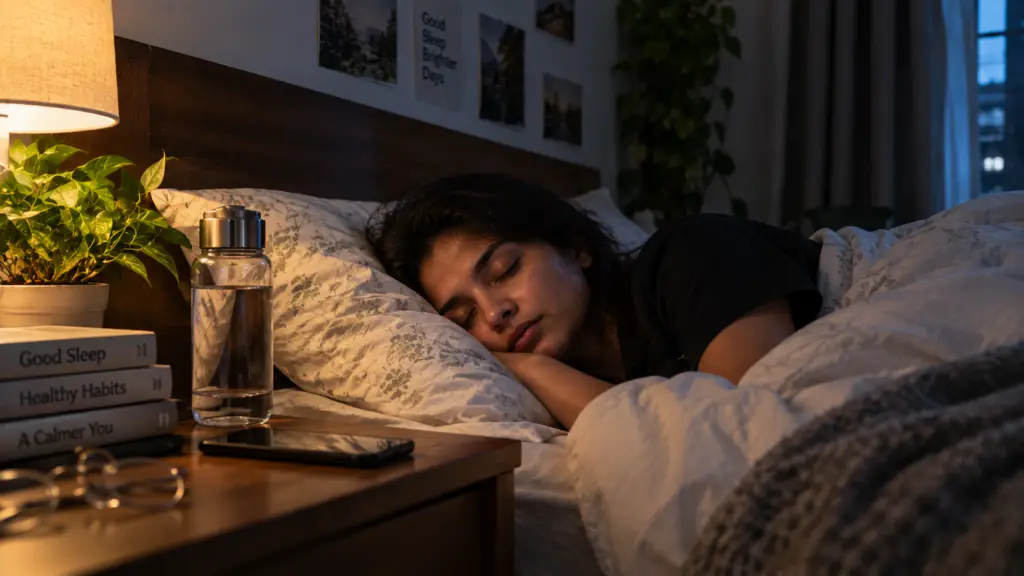
If your bedtime routine now includes a sleep tracker, special supplements, cooling gadgets, blackout curtains and a long list of rules, you may have come across “sleepmaxxing.” The social-media trend is built around the idea of optimising every part of sleep. It sounds sensible at first. But sleep experts are warning that turning rest into another thing to perfect can sometimes make the problem worse. The trend has been getting fresh attention this month, with doctors pointing out that the basics of good sleep still matter more than chasing a perfect sleep score.
What is sleepmaxxing?
Sleepmaxxing is basically the wellness world’s version of optimisation. People try different routines, products and hacks to improve how quickly they fall asleep, how long they sleep and how much “deep sleep” their tracker records. Some ideas are harmless, such as keeping the bedroom dark and cool or following a regular bedtime. Others, including mouth taping, supplements and complicated sleep routines, have less convincing evidence behind them.
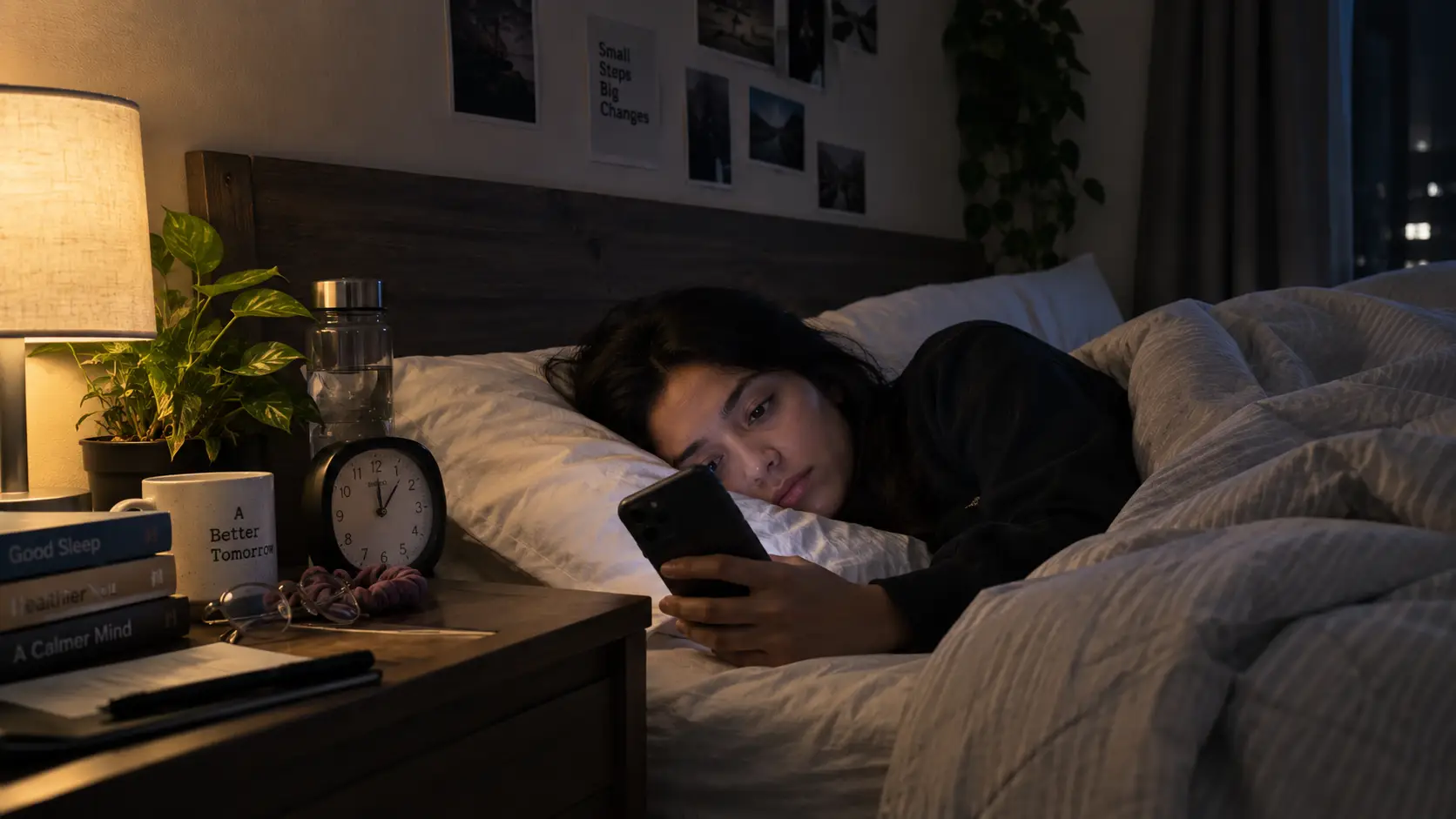
The interesting part is that sleep can become another source of pressure. Someone may wake up, check a sleep score and decide that the night was bad because a watch reported less deep sleep than usual. That can lead to more checking the following night. Sleep Foundation describes “orthosomnia” as an emerging concept involving an excessive focus on achieving perfect sleep through tracker data. It is not a recognised medical disorder, and research on it remains limited.
Your sleep score does not tell the whole story
Sleep trackers can be useful for spotting patterns, but they are not a substitute for a proper medical assessment. Their estimates of total sleep can be reasonably useful, while sleep-stage measurements are less reliable. Sleep Foundation notes that research has found limitations in how accurately consumer devices identify different stages of sleep.
That matters because people can end up chasing a number instead of asking a simpler question: How do I actually feel during the day? The American Academy of Sleep Medicine has also warned that sleep tracking should not create additional stress. Its advice is surprisingly simple: focus on sleep duration, regular bed and wake times and night-time awakenings rather than obsessing over every metric.
The boring sleep habits still matter
There is no need for a shelf full of gadgets to build a better sleep routine. Adults should regularly get at least seven hours of sleep, according to the AASM and Sleep Research Society. Consistency matters too. Going to bed and waking up at roughly the same time can help keep the body’s sleep-wake rhythm steady.
A calmer bedroom can help as well. Keeping the room comfortable, reducing bright light before bed and putting electronic devices away are among the basic habits recommended by sleep experts. If sleep problems keep happening or daytime tiredness becomes a regular issue, it is better to discuss it with a healthcare professional than to keep adding another hack to the bedtime routine.
For all the attention around sleepmaxxing, the lesson is fairly simple. Better sleep does not necessarily require a more complicated routine. Sometimes the healthiest move is to stop chasing the perfect sleep score, put the phone away and let bedtime be bedtime.