Sugar is part of many everyday foods and drinks. It may be obvious in sweets, cakes and soft drinks, but it can also appear in breakfast cereals, packaged sauces, flavoured yoghurt and ready-made snacks. Because these foods are common, small amounts can add up throughout the day.
Reducing added sugar does not mean giving up every food you enjoy. A few practical changes can help you manage your intake without making meals boring or difficult to prepare. The easiest approach is to start with the foods and drinks you consume most often.
Here are six simple ways to reduce added sugar in your daily routine.
1. Reduce Sugar in Tea and Coffee Gradually
For many people, tea or coffee is part of the morning routine. If you add sugar to every cup, reducing it slightly can be a useful first step.
Instead of removing all the sugar at once, try using a little less than usual. Give yourself time to adjust before reducing it again. You may find that the natural flavour of tea or coffee becomes easier to appreciate.
Flavoured syrups and sweetened coffee mixes can also contain added sugar. When buying these products, check the ingredients and nutrition information.
The goal is to make a change that feels manageable enough to continue every day.
2. Choose a Less Sugary Breakfast
Breakfast foods can contain more sugar than expected. Some packaged cereals, flavoured oats and sweetened yoghurt products contain added sugar even when their packaging looks healthy.
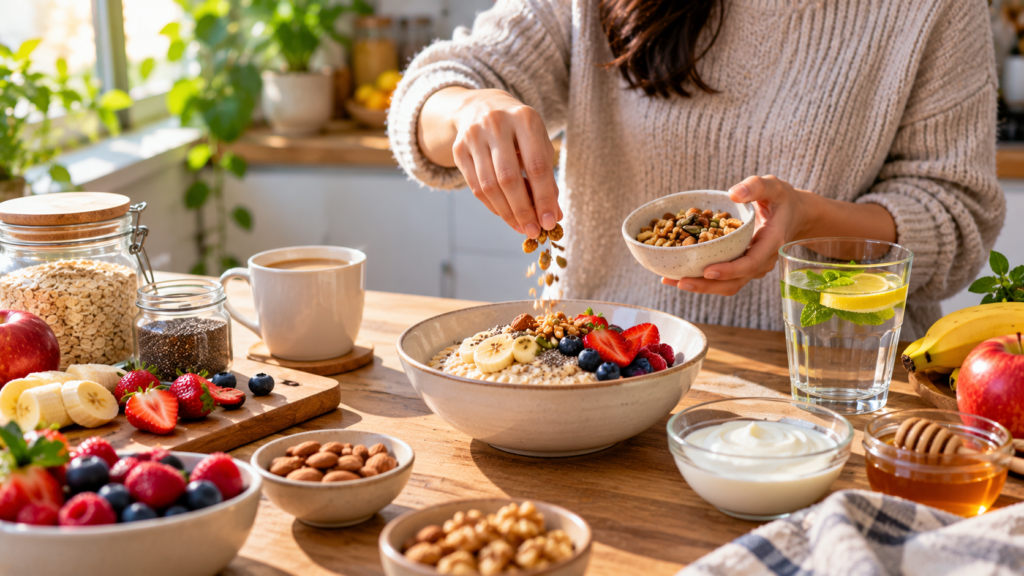
Try choosing plain oats, unsweetened yoghurt or a wholegrain breakfast option more often. You can add sliced bananas, apples, nuts or seeds for flavour and texture.
If you enjoy sweet breakfast dishes, you do not necessarily need to stop eating them. Start by comparing labels and choosing a product with less added sugar.
A simple breakfast made with familiar ingredients can be both convenient and satisfying.
3. Make Water Your Everyday Drink
Sugary drinks are an easy source of sugar because they may not make you feel as full as eating solid food. Regular soft drinks, sweetened iced tea, energy drinks and packaged fruit drinks can all contribute to your daily intake.
Keep water nearby during work, travel or study. If plain water feels boring, try adding lemon, mint or cucumber for a fresh taste.
You can also choose unsweetened drinks when they suit your preferences. If you enjoy fruit juice, remember that juice can contain substantial amounts of free sugar even when no extra sugar has been added.
Making water your usual drink does not mean you can never enjoy another beverage. It simply makes a lower-sugar option easier to choose.
4. Rethink Your Daily Snacks
Biscuits, chocolates, sweet bakery items and packaged snack bars can become everyday habits, particularly during busy afternoons.
Instead of changing everything at once, look at which snack you eat most frequently. You could alternate it with options such as fresh fruit, plain yoghurt, unsalted nuts or homemade popcorn.
Read the label before assuming a snack is low in sugar. Products marketed as energy bars or healthy treats may still contain considerable added sugar.
You can continue enjoying your favourite treats occasionally. Paying attention to portion size and how often you eat them can be more practical than following strict rules that are difficult to maintain.
5. Check Labels Before Buying Packaged Foods
Added sugar can appear under different names, including sucrose, glucose syrup, fructose and other sweetening ingredients. Checking the ingredients list and nutrition panel can help you compare similar products.
Look at the serving size as well as the sugar amount. A product may appear to contain little sugar per serving, but the package could contain several servings.
Where possible, compare similar breakfast cereals, sauces, drinks and yoghurts before choosing one. You do not need to analyse every item in your shopping basket. Start with the products you buy regularly.
Over time, checking labels can become a simple shopping habit rather than an extra task.
6. Be Careful With Hidden Sugar in Sauces and Desserts
Sugar is not limited to foods that taste sweet. Some packaged sauces, salad dressings, marinades and ready-made meals contain added sugar.
Try using smaller amounts of sweet sauces or making simple homemade alternatives when convenient. For desserts, consider having fruit or plain yoghurt more often while keeping cakes and sweets for occasions when you genuinely want them.
Remember that honey, jaggery and syrups are still sources of sugar. Replacing ordinary sugar with these ingredients does not automatically make a dish low in sugar.
The aim is to make informed choices, not to label individual foods as completely good or bad.
Small Changes Can Make a Difference
Reducing added sugar is easier when you focus on habits rather than perfection. Start with one change, such as using less sugar in tea, choosing a different breakfast cereal or replacing one sugary drink with water.
The World Health Organization recommends keeping free sugars below 10% of total daily energy intake, with a further reduction to below 5% suggested for additional health benefits. Free sugars include sugars added to foods and drinks, as well as those naturally present in honey, syrups and fruit juices.
You do not need to change your entire diet overnight. Choose practical swaps, check labels when useful and build a routine that suits your everyday life.