Electricity is an important part of everyday life. From charging phones and running fans to using kitchen appliances and washing machines, most homes depend on power throughout the day. However, small habits can sometimes lead to unnecessary electricity use and higher monthly bills.
Saving electricity does not always mean making big changes or buying expensive equipment. Simple steps, such as switching off unused lights, using appliances carefully and making better use of natural daylight, can help reduce waste.
These habits can also make a home more organised and comfortable. Here are seven easy ways to save electricity at home without making major changes to your daily routine.
1. Switch Off Lights When You Leave a Room
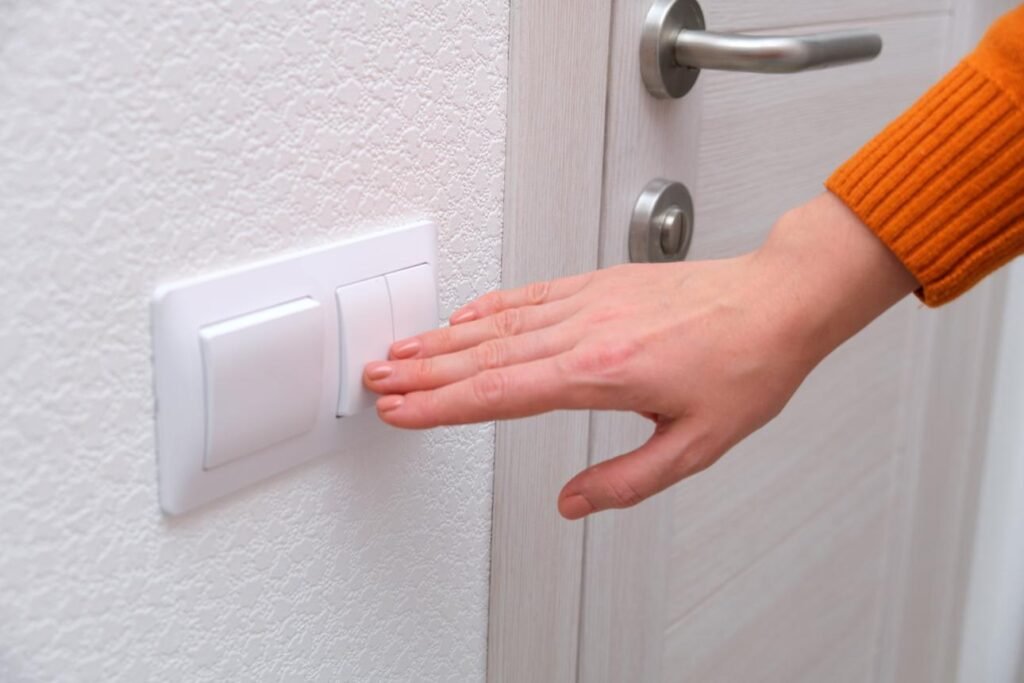
One of the easiest ways to avoid wasting electricity is to switch off lights when they are not needed. People often leave lights on in bedrooms, bathrooms, kitchens or hallways even after leaving those areas.
Make it a habit to check the lights before moving to another room. You can also remind family members to do the same.
If a room is empty for a long time, there is usually no reason to keep its lights switched on. This simple habit may seem small, but it can help reduce unnecessary electricity use over time.
2. Make Better Use of Natural Daylight
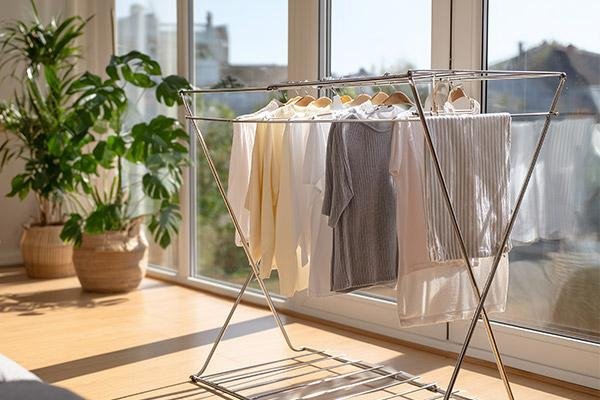
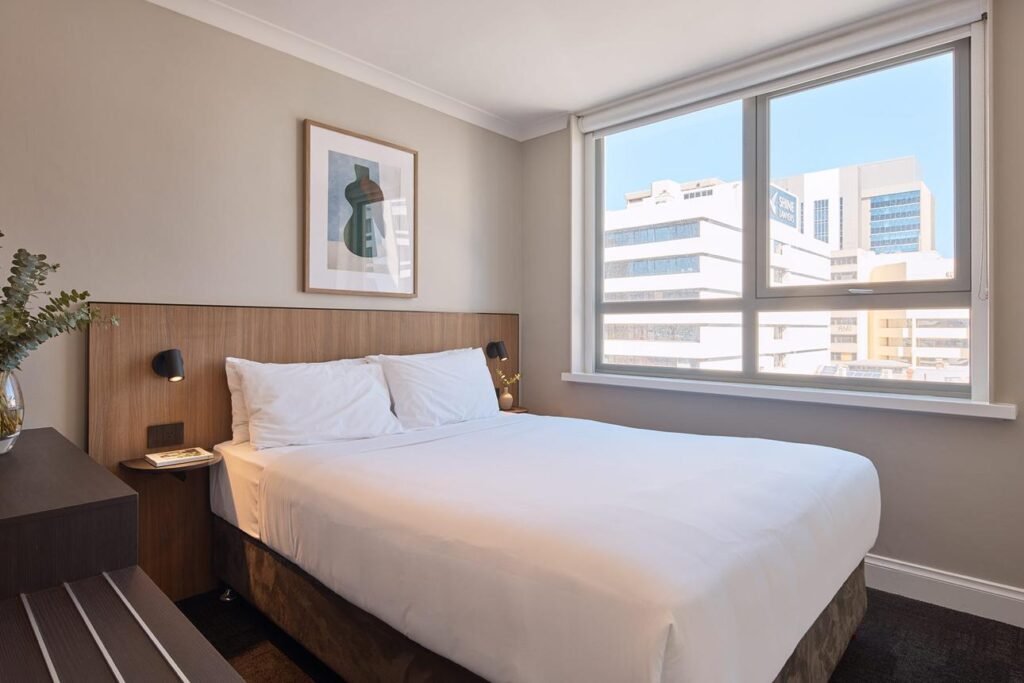
During the day, many homes receive enough sunlight to keep rooms bright without using electric lights. Open curtains and blinds in the morning to allow natural light to enter.
If you are arranging furniture or planning a room makeover, think about how daylight enters the space. Avoid placing large objects in a way that blocks windows unnecessarily.
For rooms that receive good sunlight, try working, reading or doing household tasks near a window. This can reduce the need to switch on lights during bright hours.
3. Use Fans and Air Conditioners Wisely
Cooling appliances can account for a noticeable part of household electricity use, especially during hot months. Using them thoughtfully can help avoid unnecessary power consumption.
Keep doors and windows closed when using an air conditioner so that cool air does not escape easily. Clean filters regularly according to the manufacturer’s instructions.
When using a fan, switch it off after leaving the room. A fan helps people feel cooler by moving air, but leaving it running in an empty room does not provide any comfort.
You can also use curtains or blinds to reduce direct sunlight entering rooms during the hottest part of the day.
4. Avoid Keeping Chargers Plugged In Unnecessarily
Phone chargers, laptop adapters and other small devices are often left connected to power sockets even when they are not being used.
Make it a routine to unplug chargers after charging is complete, especially when they are not designed to be left connected. Check the instructions provided with your devices.
You can also keep charging cables in one organised place instead of leaving them connected around the house. This makes it easier to notice which devices are still plugged in.
5. Run Washing Machines With Proper Loads
Using a washing machine for only a few clothes can lead to unnecessary cycles. Whenever possible, plan laundry so that you can wash suitable loads together.
However, avoid overloading the machine. Follow the capacity guidelines provided by the manufacturer because an overloaded machine may not clean clothes properly.
Choose the appropriate wash programme for the type of clothes and level of dirt. Some machines also offer eco modes designed to use resources more efficiently.
Regularly check the machine’s instructions for cleaning and maintenance. A properly maintained appliance can work more effectively.
6. Choose Energy-Efficient Appliances
When buying a new refrigerator, air conditioner, television or washing machine, compare its energy rating and expected electricity use.
In India, the Bureau of Energy Efficiency provides star labels for many household appliances. These labels can help buyers compare the energy performance of different models.
Do not look at the purchase price alone. Consider the appliance’s size, features, energy rating and expected running cost before making a decision.
A suitable energy-efficient model may help reduce electricity use over its lifetime, depending on how it is used.
7. Turn Off Devices Instead of Leaving Them On
Televisions, computers, gaming consoles and other electronic devices are sometimes left running even when nobody is using them.
Make it a habit to switch off devices after use. If you are taking a long break from your computer, use its sleep or power-saving settings where suitable.
Also check whether televisions and other electronics have automatic shut-off options. These features can be useful when someone forgets to turn a device off.
For multiple devices in one area, a suitable power strip with an accessible switch may make it easier to disconnect them safely.
Make Electricity Saving a Daily Habit
Reducing electricity use at home does not require changing your entire lifestyle. A few simple actions, repeated every day, can help prevent unnecessary power consumption.
Start with easy steps such as switching off unused lights, making better use of daylight and turning off devices after use. When replacing appliances, compare their energy ratings and choose products that suit your household needs.
The key is to make these actions part of your regular routine. Small efforts across different rooms and appliances can help create a more energy-conscious home.