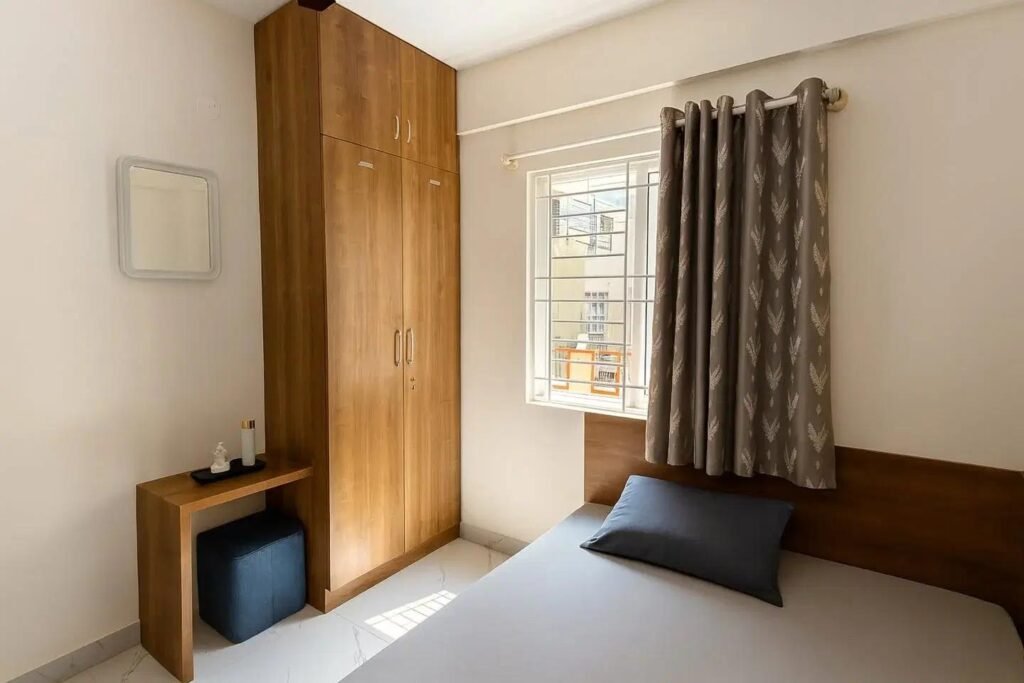
A small room can look stylish, comfortable and welcoming with the right arrangement. You do not always need expensive furniture or a major renovation to improve the appearance of your space. Sometimes, a few simple changes can make a noticeable difference.
However, certain decorating choices can make even a well-maintained room feel crowded. Large furniture, poor lighting and too many decorative items are some common reasons why a small space may look even smaller.
Whether you live in a compact apartment or have a small bedroom, paying attention to these details can help you use the available space better. Here are seven common decorating mistakes you should avoid.
1. Choosing Furniture That Is Too Large
One of the biggest mistakes in a small room is choosing furniture that takes up too much space. A large bed, oversized sofa or bulky cupboard can leave very little room to move around.
Before buying furniture, measure the room carefully. Check the length, width and height of the space where you plan to place each item.
Choose furniture that fits comfortably without blocking doors, windows or walking areas. Pieces with simple designs and suitable proportions can make the room feel less crowded.
2. Pushing Too Many Things Into One Room
It is easy to collect furniture and decorative items over time. However, keeping everything in one small room can make it look untidy.
Extra chairs, unused tables, storage boxes and decorative pieces may take up valuable floor space. Even attractive objects can make a room feel crowded when there are too many of them.
Look around your room and identify things you rarely use. Move them elsewhere, donate items that are still useful or remove things that are no longer needed.
Keeping only the necessary furniture and a few personal decorations can make the room feel more organised.
3. Blocking Natural Light
Natural light can make a room feel more open and pleasant. But heavy curtains, large furniture near windows and unnecessary window coverings can reduce the amount of daylight entering the space.
Avoid placing tall cupboards or bulky furniture directly in front of windows if you can arrange them elsewhere.
Choose curtains that allow daylight to enter while still giving you the privacy you need. During the day, open the curtains and let natural light brighten the room.
A brighter space often feels more comfortable than one that remains dark throughout the day.
4. Using Too Many Dark Colours
Dark colours can look beautiful and create a cosy atmosphere. However, using too many dark shades across the walls, curtains, furniture and flooring may make a small room feel visually heavy.
This does not mean you must avoid dark colours completely. You can use them for cushions, a chair, artwork or other small details.
For the larger surfaces, consider lighter shades such as cream, soft grey, beige or pale green. These colours can help create a brighter appearance, especially when combined with good lighting.
5. Ignoring Vertical Storage Space
Many people focus only on the floor when arranging a small room. As a result, walls and other unused areas remain empty while cupboards and storage boxes take up more floor space.
Wall shelves, hanging organisers and tall storage units can help you use the available space more efficiently.
For example, you can place books, small plants and decorative items on wall shelves instead of adding another table. Hooks behind doors can also be useful for bags, scarves and everyday accessories.
Choose storage options that suit the room and avoid filling every empty wall.
6. Placing Furniture Without Planning the Layout
Even suitable furniture can make a room feel uncomfortable when it is arranged poorly. A cupboard placed near the entrance or a table blocking the walking path can affect how easily you move around.
Before shifting furniture, think about how you use the room every day. Keep enough space near doors, windows and frequently used areas.
Try different arrangements before making a final decision. You can also draw a simple room layout on paper to understand where each item might fit.
A practical arrangement is often more useful than one that looks attractive only in photographs.
7. Adding Too Many Decorative Items
Wall frames, showpieces, cushions, lamps and indoor plants can add personality to a room. But using too many decorative items together may create visual clutter.
Instead of displaying everything you own, select a few pieces that match the room’s overall style.
For example, one wall frame, a small plant and a simple table lamp may be enough to add character to a bedroom. You can also change decorations occasionally instead of keeping every item on display.
Leaving some empty space can make the room look cleaner and more balanced.
Make Your Small Room Feel More Comfortable
Decorating a small room is not about filling every corner or following every new interior design trend. It is about making practical choices that suit your available space and daily needs.
Start with simple steps such as removing unused items, improving the furniture arrangement and allowing more natural light into the room.
You can also use wall storage and choose decorations carefully to avoid unnecessary clutter. With a little planning, even a compact room can become a comfortable and attractive part of your home.