Eating healthy food does not always mean following a strict diet or giving up your favourite meals. In many cases, small changes in everyday eating habits can make your meals more balanced and enjoyable.
People often have busy schedules, which makes it easy to depend on packaged snacks, takeaway food or meals that lack variety. Over time, these choices can become part of a regular routine.
The good news is that eating better does not have to be difficult. You can start with simple steps such as adding vegetables to your plate, choosing whole grains and paying attention to portion sizes.
There is no need to change everything in one day. A few practical habits can help you build a routine that is easier to follow.
Here are seven simple ways to make your daily meals healthier.
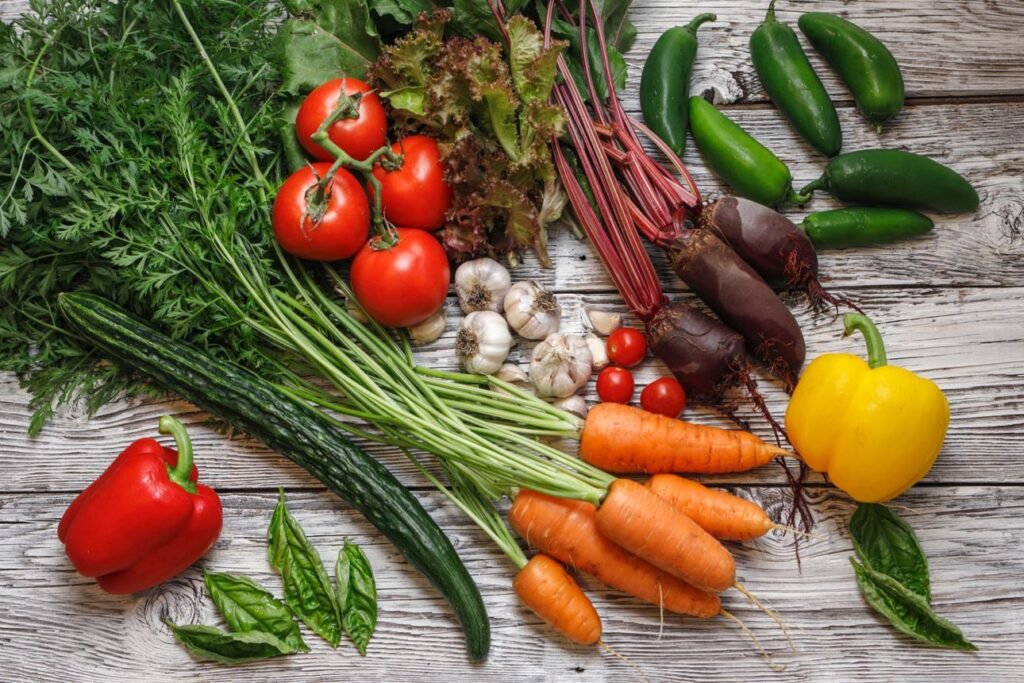
1. Add More Vegetables to Your Meals
Vegetables are an important part of a balanced diet. They provide fibre, vitamins, minerals and other useful nutrients.
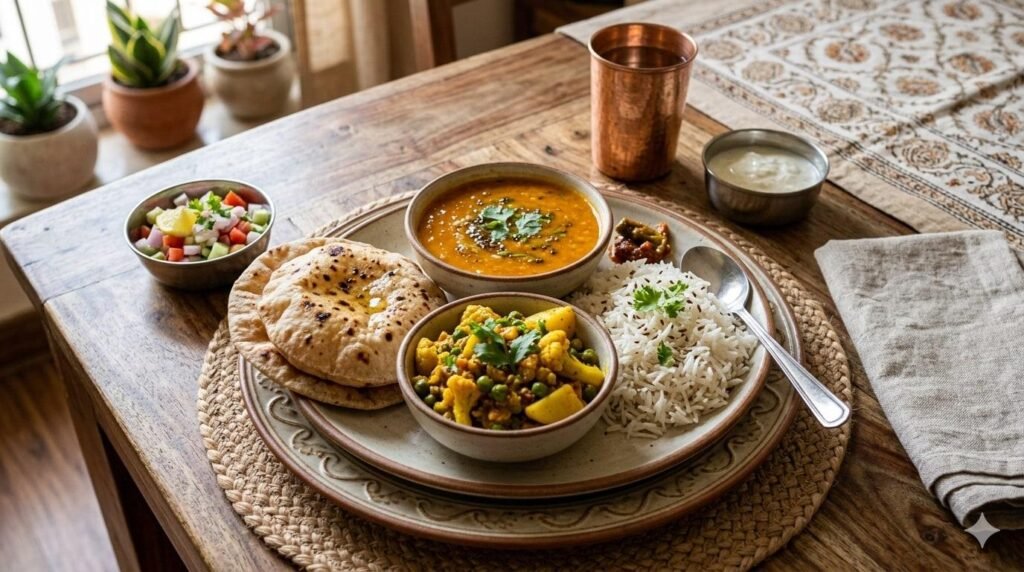
Try to include at least one vegetable in your main meals. You can prepare seasonal sabzi, add vegetables to dal or make a simple salad with cucumber, tomato and carrot.
If you find it difficult to eat vegetables regularly, mix them into dishes you already enjoy. Adding peas, carrots or beans to pulao is one easy option.
You can also include leafy vegetables such as spinach and fenugreek in your weekly meals.
Eating different types of vegetables can bring more variety to your plate.
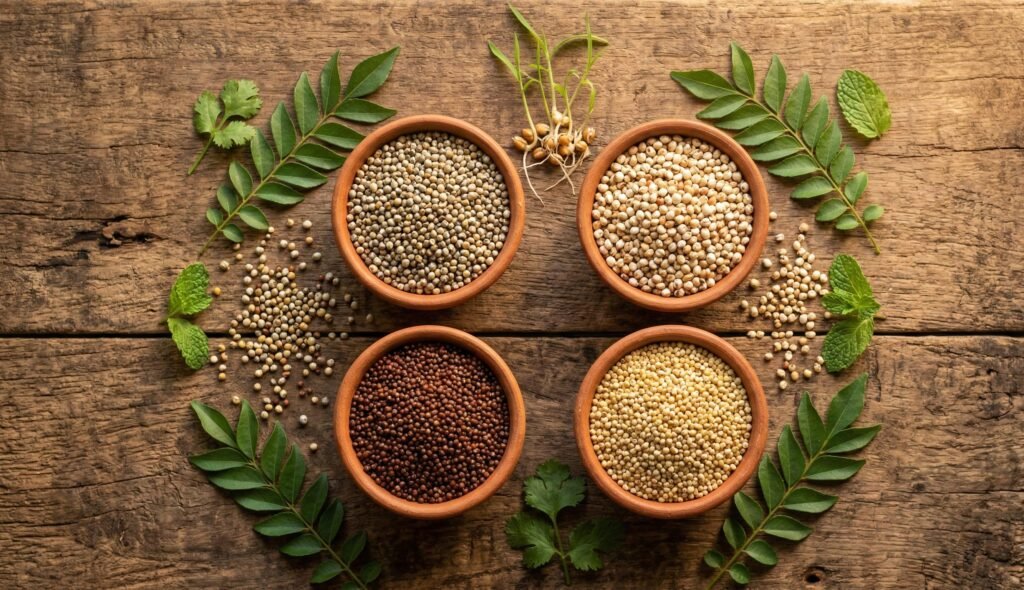
2. Choose Whole Grains More Often
The type of grains you eat can also make a difference to your daily food choices.
Whole grains such as oats, brown rice, whole wheat and millets contain fibre and other nutrients. They can be included in different meals depending on your preferences.
For example, you can choose whole wheat roti instead of refined flour-based options more often. Dalia, oats and millet-based dishes can also be part of a varied breakfast.
You do not need to stop eating white rice or other familiar foods completely. Simply try different whole-grain options and include them regularly in a way that suits your routine.
3. Include Protein in Your Everyday Diet
Protein is an important part of a balanced diet. It is used by the body for many everyday functions, including the maintenance of muscles and other tissues.
Common food sources include dal, chickpeas, rajma, beans, paneer, curd, milk, eggs and nuts.
You can include protein in different ways throughout the day. A bowl of dal with lunch, curd with a meal or boiled chickpeas as an evening snack are simple options.
If you eat a vegetarian diet, combining different plant-based protein sources can help bring variety to your meals.
Choose options according to your food preferences and daily needs.
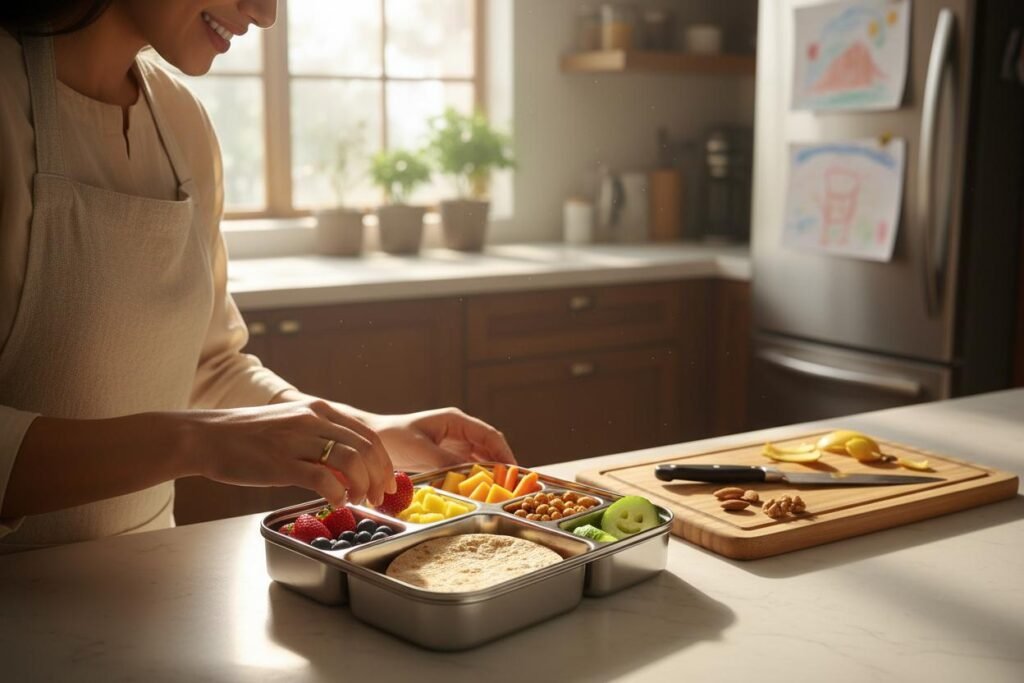
4. Eat Whole Fruits Instead of Relying on Packaged Snacks
Fruits are a convenient way to add natural sweetness and variety to your diet.
Instead of regularly reaching for biscuits, sweets or packaged snacks, try keeping seasonal fruits available at home.
Bananas, apples, oranges, papaya, guava and watermelon are some familiar choices. You can eat them between meals or include them with breakfast.
Whole fruits also provide fibre, which is an important part of everyday eating.
Fruit juice may seem like an easy alternative, but whole fruit generally provides more fibre. Try to enjoy fruit in its natural form whenever possible.
5. Reduce Extra Sugar in Everyday Drinks
Tea, coffee, cold drinks and packaged beverages can add extra sugar to your daily routine.
Many people add sugar to several cups of tea or coffee without paying much attention to the total amount.
You can begin by reducing the quantity gradually. If you usually add two spoons of sugar, try using a little less and adjust your taste over time.
Choose plain water more often instead of sugary drinks. Fresh lemon water without added sugar can also be a refreshing option.
There is no need to make sudden changes. Small steps can help you become more aware of your daily sugar intake.
6. Use Cooking Oil in a Balanced Way
Cooking oil is a regular part of many Indian meals, but using more than necessary can make dishes heavier.
Pay attention to the amount of oil used while preparing vegetables, dal, parathas and other everyday foods.
You can try cooking methods such as steaming, boiling, grilling or roasting to add variety to your meals.
It is also useful to avoid repeatedly reusing cooking oil. Choose a suitable cooking oil and use it according to your household needs.
The aim is not to remove oil completely from your food, but to use it thoughtfully as part of a balanced diet.
7. Drink Enough Water Throughout the Day
Water is an essential part of everyday health and should not be forgotten while planning meals.
Some people remember to drink water only when they feel thirsty. Keeping a water bottle nearby can make it easier to drink regularly.
Start your morning with a glass of water if you enjoy the habit. You can also drink water during work breaks and carry a bottle when going outside.
Cucumber, watermelon and other water-rich foods can add to your overall fluid intake.
Your water needs may change with weather, activity and individual circumstances, so pay attention to your body’s needs throughout the day.
Build Better Eating Habits One Step at a Time
Healthy eating does not need to be expensive or complicated. You can begin by adding vegetables to lunch, choosing whole fruits for snacks and including protein in your regular meals.
Try to eat a variety of foods rather than depending on the same few ingredients every day. Also, avoid making sudden and unnecessary food restrictions.
The most useful eating habits are the ones you can follow comfortably over time.
Start with one small change, make it part of your routine and gradually improve the way you plan your everyday meals.