A healthy diet does not always need expensive ingredients or complicated recipes. Sometimes, adding a variety of colourful vegetables to everyday meals is a simple way to make your plate more interesting and nutritious.
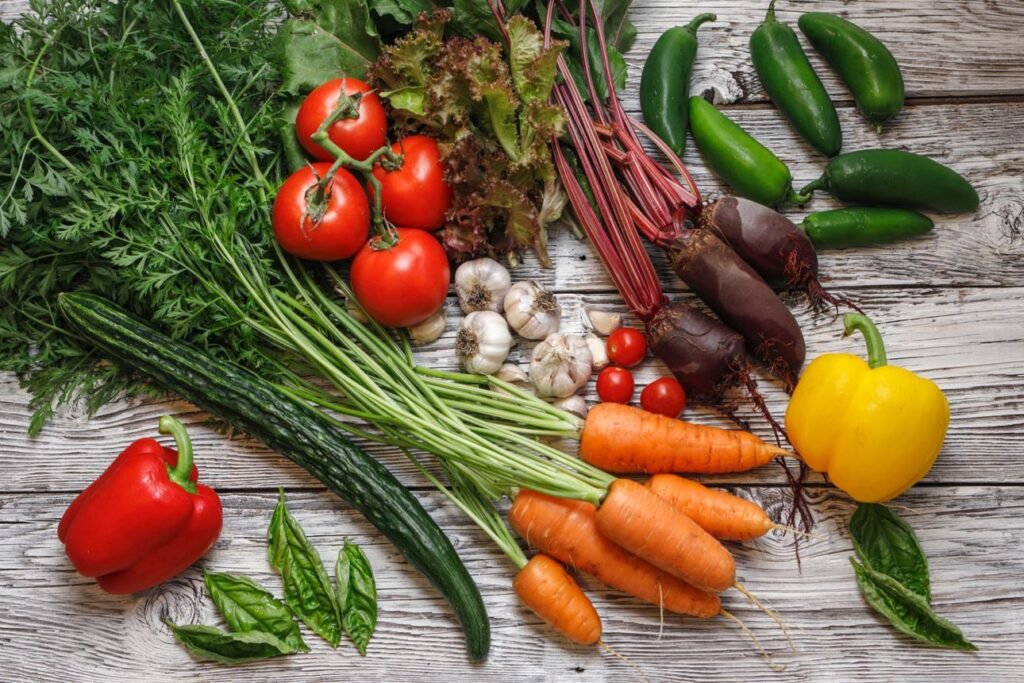
Vegetables such as carrots, tomatoes, spinach, beetroot, capsicum and pumpkin bring different colours, flavours and nutrients to the table. They also provide fibre, which is an important part of a balanced diet.
However, many people eat only a few familiar vegetables every week. Busy schedules, limited cooking time and fixed food habits can make it difficult to include more variety.
The good news is that you do not need to change your entire diet. Small additions to your regular meals can help you enjoy a wider range of vegetables.
Here are seven simple ways to add more colourful vegetables to your daily diet.
1. Add Different Colours to Your Lunch Plate
One easy way to eat more vegetables is to include different colours in your lunch.
For example, you can combine green vegetables such as spinach or beans with red tomatoes, orange carrots and purple cabbage. Each vegetable brings its own taste and nutritional value.
You do not need to include every colour in one meal. Just try to add two or three different vegetables whenever possible.
A simple plate of roti, dal, vegetable curry and salad can become more colourful with a few extra ingredients.
This habit can also make everyday meals look more appealing.
2. Include Vegetables in Your Breakfast
Many people begin their day with tea, bread, biscuits or other quick food options. While these may be convenient, breakfast can also be a good opportunity to include vegetables.
You can add chopped tomatoes, onions, spinach or capsicum to your regular poha, upma or besan chilla.
If you enjoy sandwiches, add cucumber, tomato and lettuce to make them more filling and colourful.
Vegetable parathas are another familiar option for Indian households. You can prepare them with grated carrots, spinach or other vegetables.
These small additions can make breakfast more varied without requiring a completely different cooking routine.
3. Prepare a Simple Vegetable Salad
A fresh salad is one of the easiest ways to include more vegetables in your meals.
You can combine cucumber, tomato, carrot, beetroot and cabbage in a bowl. Add lemon juice and a small amount of seasoning according to your taste.
If you prefer a little more flavour, include fresh coriander or mint leaves.
You can prepare a small portion while making lunch or dinner instead of spending extra time on a separate recipe.
Wash vegetables properly before cutting them and keep prepared salad covered in the refrigerator if you are not eating it immediately.
4. Use Vegetables in Your Regular Snacks
Snacking does not always have to mean packaged food, biscuits or fried items.
You can prepare simple vegetable-based snacks at home using ingredients that are already available in your kitchen.
For example, cucumber and carrot sticks can be served with a homemade dip. You can also make vegetable sandwiches, roasted vegetable pieces or a small bowl of homemade vegetable chaat.
Adding vegetables to snacks is especially useful when you want more variety between regular meals.
Try different combinations instead of eating the same snack every day.
5. Add Vegetables to Dal, Rice and Other Everyday Dishes
You do not always need to prepare a separate vegetable dish to increase your intake.
Many familiar Indian recipes can include additional vegetables without changing their basic taste too much.
You can add carrots, peas, beans or spinach to pulao. Chopped vegetables can also be included in dal, khichdi and savoury porridge.
If you prepare homemade pasta or noodles, add capsicum, mushrooms, carrots or broccoli.
This approach can be helpful for people who do not enjoy eating plain vegetables. Mixing them into familiar dishes makes it easier to try different options.
6. Choose Seasonal Vegetables Whenever Possible
Seasonal vegetables are a useful way to bring variety to your kitchen throughout the year.
The options available in local markets change with the weather. You may find fresh leafy vegetables during cooler months, while other vegetables become more common during different seasons.
Buying seasonal produce can also help you explore ingredients that you may not usually include in your meals.
Visit your local vegetable market and choose a few different options instead of purchasing the same items every week.
Try to select fresh vegetables and use them according to their storage needs so that less food goes to waste.
7. Keep Ready-to-Use Vegetables in Your Kitchen
A busy routine can make cooking feel difficult, especially when washing and cutting vegetables takes extra time.
One simple solution is to prepare some vegetables in advance.
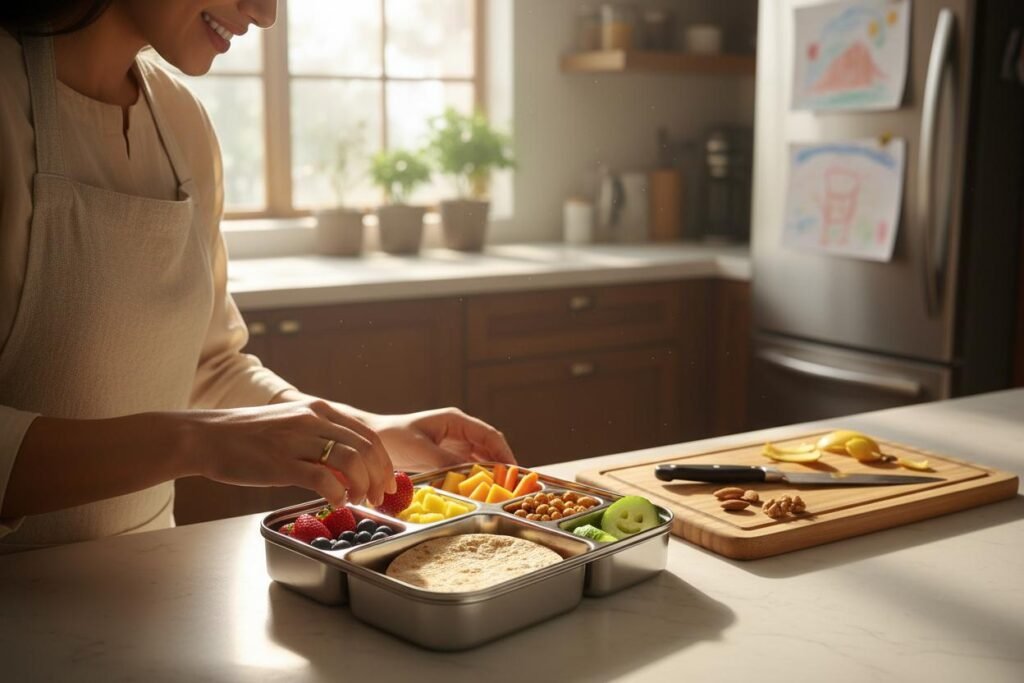
Wash and dry suitable vegetables, then store them properly in clean containers in the refrigerator. You can also keep ingredients such as carrots, beans and capsicum ready for cooking.
However, not every vegetable should be cut and stored for the same length of time. Follow suitable storage practices and use prepared ingredients while they are fresh.
Having vegetables ready can make it easier to prepare salads, sandwiches and quick meals during busy days.
Make Your Everyday Meals More Colourful
Eating a variety of vegetables is a simple way to bring more flavour, colour and nutrients into your regular diet.
You do not need to follow a strict meal plan or buy unusual ingredients. Start by adding one extra vegetable to breakfast, including a fresh salad with lunch or mixing vegetables into familiar dishes.
Remember that different vegetables provide different nutrients, so variety is more useful than depending on just one option.
Choose fresh and seasonal produce whenever possible, prepare it in ways you enjoy and make small changes that suit your daily routine.
A colourful plate can be a simple starting point for building better eating habits.