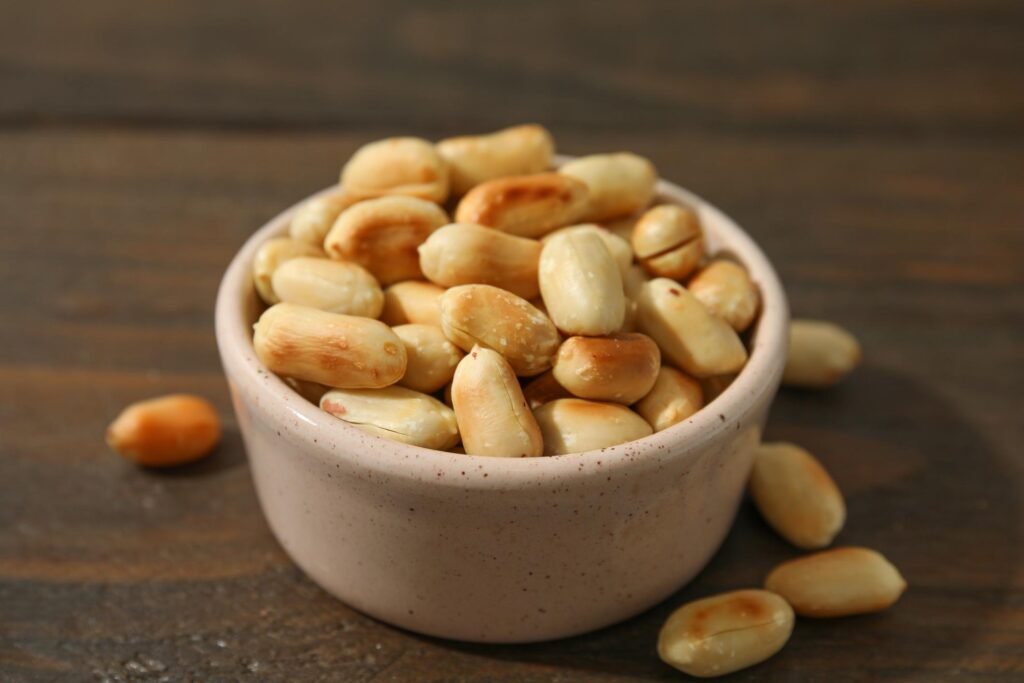
Peanuts are one of the most common and affordable foods found in Indian kitchens. From roasted moongfali sold by street vendors to peanut chutney served with breakfast, they are enjoyed in many different ways. Some people eat them as an evening snack, while others add them to poha, salads and homemade sweets.
Although peanuts are often grouped with nuts, they are actually legumes. They are a good source of plant-based protein and also contain healthy fats, fibre, vitamins and minerals. Their simple preparation and familiar taste make them easy to include in everyday meals.
Peanuts are nutritious, but portion size matters because they are energy-dense. They are best enjoyed as part of a varied diet rather than as a replacement for other foods.
Here are seven benefits of eating peanuts and some simple ways to enjoy them.
1. Peanuts Provide Plant-Based Protein
One of the main nutritional benefits of peanuts is their protein content. Protein is an important part of everyday meals and is found in foods such as dal, beans, dairy products, eggs, soy and seeds.
For people who prefer vegetarian food, peanuts can be a convenient addition to the diet. A small serving of roasted peanuts can be eaten between meals or added to a breakfast dish.
You can also combine peanuts with other ingredients such as chickpeas, curd or whole grains. This helps bring different food groups into one meal.
However, peanuts should not be your only protein source. Including a variety of protein-rich foods is a more practical way to maintain a balanced eating routine.
2. They Contain Healthy Fats
Peanuts contain mostly unsaturated fats, which are commonly included in discussions about balanced eating. These fats are also found in foods such as almonds, walnuts, seeds and certain vegetable oils.
This makes peanuts a useful plant-based ingredient for people who want to include different sources of fat in their meals.
You can add crushed peanuts to a homemade salad, sprinkle them over poha or use them in chutney. They can also be mixed with roasted chana for a simple snack.
Choose plain or lightly roasted peanuts more often. Some packaged varieties contain extra salt, sugar or flavourings, so checking the label can help you make a suitable choice.
3. Peanuts Contain Dietary Fibre
Fibre is another nutrient found in peanuts. It is an important part of a balanced diet and is also available in fruits, vegetables, pulses and whole grains.
Adding peanuts to your regular meals can increase the variety of fibre-containing foods you eat. They can be combined with vegetables, sprouts or other legumes to make a simple snack.
For example, prepare a homemade mixture with boiled chickpeas, chopped cucumber, tomato and a small amount of roasted peanuts. This offers different textures and ingredients in one bowl.
If you are trying to eat more fibre, make gradual changes and drink enough water throughout the day.
4. They Provide Important Vitamins and Minerals
Peanuts contain several nutrients, including vitamin E, niacin, folate, magnesium and phosphorus. These vitamins and minerals are part of a balanced diet and are found in many other foods too.
For example, leafy vegetables, fruits, pulses, whole grains and seeds can also contribute different nutrients to everyday meals.
Adding peanuts is one simple way to increase food variety. You can include them in breakfast, lunch or an evening snack depending on your preference.
No single food provides everything the body needs. A mix of different ingredients remains important for a varied diet.
5. Peanuts Make a Convenient Evening Snack
Many people look for something easy to eat between lunch and dinner. Peanuts can be a convenient option because they require little preparation and are easy to carry.
A small portion of plain roasted peanuts can be packed in a container for work, college or travel. You can also combine them with roasted chana or a piece of fresh fruit.
Homemade snacks give you more control over the amount of salt and other ingredients used. If you buy packaged peanuts, compare the labels and choose a variety that suits your food preferences.
Since peanuts contain a good amount of energy in a small serving, avoid eating directly from a large packet if you are trying to keep track of portions.
6. They Add Taste and Texture to Indian Meals
Peanuts are used in many Indian recipes because they add a crunchy texture and a mild, nutty flavour. They can make simple dishes more interesting without requiring complicated preparation.
In Maharashtra, peanuts are often used in poha and chutney. They are also added to some vegetable preparations, snacks and rice dishes in different parts of India.
You can sprinkle crushed roasted peanuts over upma, salads or homemade chaat. Peanut chutney is another easy option to serve with idli, dosa or other breakfast dishes.
Using peanuts in different recipes can help you enjoy them without following the same snack routine every day.
7. They Are Affordable and Easy to Store
Compared with many packaged snacks and some other nuts, peanuts are often an affordable kitchen ingredient. They are available in local markets, grocery stores and supermarkets in different forms.
Whole peanuts can be roasted at home, while plain roasted varieties are also easy to find. Keep them in a clean, airtight container and store them in a cool, dry place.
Avoid eating peanuts that smell unusual, taste stale or show signs of moisture or spoilage. Proper storage helps maintain their freshness.
People with peanut allergies should avoid them, as peanuts can cause serious allergic reactions. If you have a known allergy, check food labels carefully.
How to Include Peanuts in Your Daily Diet
Peanuts provide plant-based protein, unsaturated fats, fibre and several vitamins and minerals. They are also easy to use in familiar Indian dishes, making them a practical ingredient for everyday cooking.
Try a small portion of plain roasted peanuts, add crushed peanuts to poha or prepare homemade peanut chutney. Choose simple preparations and keep portion sizes in mind.
A healthy eating routine should include a variety of foods, such as fruits, vegetables, pulses, whole grains, dairy or suitable alternatives, and different sources of protein. Peanuts can be one useful part of that mix.