India is home to many beautiful places that offer more than scenic views. Across the Himalayan region, monasteries stand quietly on hillsides, inside mountain valleys and near small villages. These places are known for their peaceful surroundings, traditional architecture and connection with Buddhist culture.
For travellers who enjoy history, nature and local traditions, visiting a monastery can be a memorable experience. You can explore colourful prayer halls, see traditional artwork, learn about Buddhist practices and enjoy views of the surrounding mountains.
Some monasteries are located close to popular tourist towns, while others require a longer journey through mountain roads. If you are planning a different kind of holiday, here are seven beautiful monasteries in India worth adding to your travel list.
1. Hemis Monastery, Ladakh
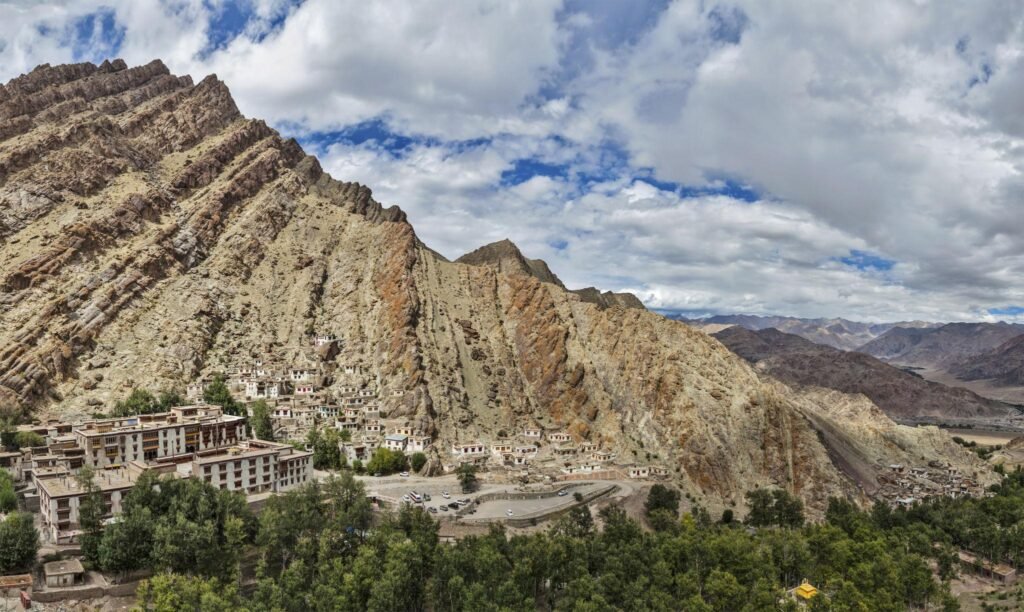
Hemis Monastery is one of the most well-known Buddhist monasteries in Ladakh. Located around 45 kilometres from Leh, it is surrounded by mountains and offers visitors a glimpse into the region’s Buddhist traditions.
The monastery is associated with the Drukpa lineage of Tibetan Buddhism. Its large courtyard, colourful decorations and traditional buildings make it an interesting place to explore.
Hemis is also known for its annual festival, which attracts visitors who want to experience traditional masked dances and local celebrations. Travellers can include it in a Ladakh trip along with other attractions around Leh.
2. Thiksey Monastery, Ladakh
Thiksey Monastery is another popular spiritual destination in Ladakh. Built on a hill, its white buildings rise in layers and create a striking view against the mountain landscape.
The monastery is located around 19 kilometres from Leh. It is known for its traditional architecture, prayer halls, murals and large statue of Maitreya Buddha.
Visitors can walk through different sections of the complex and enjoy views of the Indus Valley. Early morning visits can be especially peaceful, although travellers should check local access arrangements before planning their trip.
3. Diskit Monastery, Nubra Valley
Located in Nubra Valley, Diskit Monastery is among the most recognisable monasteries in Ladakh. It stands on a hillside and overlooks a landscape of mountains and wide valleys.
One of its main attractions is the large Maitreya Buddha statue situated near the monastery. The statue offers an impressive view of the surrounding region.
Diskit is often included in trips to Nubra Valley, which is also known for its sand dunes, mountain villages and scenic roads. The monastery is a good place to learn about local Buddhist culture while enjoying the natural beauty of the valley.
4. Key Monastery, Himachal Pradesh
Key Monastery, also known as Ki Monastery, is one of the most famous landmarks in Spiti Valley. Located on a hill near the Spiti River, it looks almost like an extension of the rocky mountain around it.
The monastery is believed to date back several centuries and is an important centre of Tibetan Buddhist learning. Its buildings contain prayer rooms, traditional paintings and religious objects.
The journey to Key Monastery is an experience in itself, with mountain roads and wide valley views along the way. Travellers should plan carefully because weather and road conditions can affect journeys in Spiti, particularly during winter.
5. Tabo Monastery, Himachal Pradesh
Tabo Monastery is a historic Buddhist site in Spiti Valley. Unlike many hilltop monasteries, it is located on relatively flat ground and is known for its old mud-brick structures.
Founded in 996 CE, Tabo is often called the Ajanta of the Himalayas because of its ancient murals and paintings. Its temples preserve important examples of Buddhist art and religious history.
The monastery is a special destination for visitors interested in architecture and heritage. Since it is an active religious site, travellers should respect local customs and follow photography rules inside the buildings.
6. Rumtek Monastery, Sikkim
Rumtek Monastery is located near Gangtok in Sikkim. Surrounded by green hills, it offers a different setting from the dry mountain landscapes of Ladakh and Spiti.
It is one of the major centres of the Karma Kagyu school of Tibetan Buddhism. The monastery is known for its colourful architecture, large prayer hall and detailed traditional artwork.
Visitors can explore the monastery complex and enjoy the peaceful atmosphere. Its location also makes it a convenient addition to a Sikkim holiday, especially for travellers staying in or around Gangtok.
7. Pemayangtse Monastery, Sikkim
Pemayangtse Monastery is located near Pelling in West Sikkim. It is one of the oldest and most important monasteries in the state and is known for its traditional architecture and religious significance.
The monastery offers beautiful views of the surrounding hills and, when the weather is clear, the Himalayan mountain range. Inside, visitors can see colourful paintings, statues and a detailed wooden structure representing a Buddhist heavenly palace.
Its peaceful location makes it a good stop for travellers exploring Pelling and nearby attractions. The surrounding landscape is especially attractive during clear weather.
Plan a Peaceful Monastery Trip
These monasteries offer different experiences, from the high-altitude landscapes of Ladakh and Spiti to the green hills of Sikkim. Each place has its own history, architecture and connection with local Buddhist traditions.
Before travelling, check road conditions, weather updates and local entry rules. Some monasteries are located at high altitudes, so give yourself enough time to adjust and avoid rushing between destinations.
Remember that monasteries are active places of worship. Dress respectfully, speak quietly and follow instructions about photography and visitor access.
A visit to these beautiful monasteries in India can add history, culture and peaceful moments to your next mountain holiday.