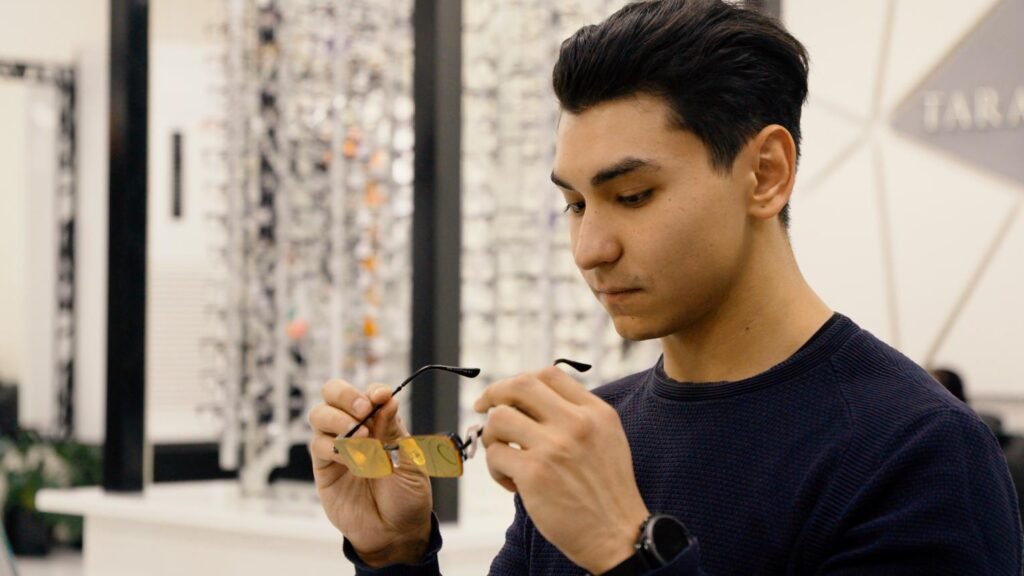
Sunglasses are more than just a fashion accessory. They can complete an outfit, add style to your appearance and help protect your eyes from bright sunlight. From classic black frames to colourful and oversized designs, there are many options available in the market.
However, choosing the right pair is not always easy. A design may look attractive in a photograph but feel uncomfortable when you wear it. Some people focus only on the latest trends, while others buy sunglasses without checking their quality or fit.
A good pair should match your face, feel comfortable and offer proper protection from ultraviolet (UV) rays. Before buying your next pair, take a look at these seven common mistakes you should avoid.
1. Choosing a Frame Only Because It Is Trending
Fashion trends change regularly. One season, oversized sunglasses may be popular, while another season may bring back narrow frames or colourful designs.
It is easy to get attracted to a style seen on celebrities or social media. However, a trending design may not suit everyone’s face shape or personal style.
Instead of following every trend, look for frames that you feel comfortable wearing. Try different shapes and sizes before making a decision. A simple design that suits your appearance can remain useful for years.
2. Ignoring Your Face Shape
The shape of sunglasses can change the overall look of your face. This is why it is worth trying different frame styles before buying one.
For example, round frames can create a softer look, while square or rectangular frames offer sharper lines. People with round faces may enjoy trying angular designs, while those with more angular features may prefer rounded styles.
These are only styling suggestions, not strict rules. Face shape is just one factor to consider. Your personal taste, hairstyle and comfort also matter when choosing sunglasses.
3. Forgetting to Check UV Protection
One of the biggest mistakes when choosing sunglasses is focusing only on their appearance. Dark lenses do not automatically mean better protection from sunlight.
Check whether the sunglasses offer 100 per cent UVA and UVB protection or are labelled UV400. This information is more important than the colour or darkness of the lenses.
If you are buying sunglasses from a shop, ask the seller about their UV protection. For online purchases, read the product details carefully and choose a reliable seller. Do not assume that an expensive-looking pair always provides proper protection.
4. Buying the Wrong Size
Sunglasses should fit comfortably without putting pressure on your nose or ears. Frames that are too tight can become uncomfortable after wearing them for some time.
On the other hand, very loose sunglasses may keep slipping down your nose. This can become irritating when you are walking, driving or spending time outdoors.
Check how the frame sits on your face. The temples should rest comfortably around your ears, and the bridge should not pinch your nose. The lenses should also cover an appropriate area around your eyes.
5. Choosing the Wrong Lens Colour for Your Needs
Sunglass lenses are available in several colours, including grey, brown, green, blue and other shades. Many people select a colour simply because it looks attractive.
However, different lens colours can affect how you see your surroundings. Grey lenses generally maintain natural colour appearance, while brown lenses can increase contrast in some conditions.
For everyday use, think about where and how often you plan to wear the sunglasses. If you spend a lot of time outdoors, ask about suitable lens options. Remember that lens colour alone does not tell you how much UV protection the pair offers.
6. Ignoring the Quality of the Frame
A pair of sunglasses may look stylish but still have a poor finish. Weak hinges, rough edges and uncomfortable nose pads can affect how long you can use them.
Before buying, open and close the arms gently. Check whether the hinges feel secure and whether the frame sits evenly. Look for rough surfaces or loose parts.
You do not always need to spend a large amount of money. Many affordable options are available, but it is important to check the build quality instead of choosing a pair only because of its low price.
7. Not Considering Your Daily Lifestyle
The best sunglasses for a beach holiday may not be the most practical choice for everyday travel or outdoor activities. Your daily routine should also influence your decision.
If you walk or travel frequently, choose a lightweight pair that stays comfortably in place. People who enjoy outdoor sports may need frames designed for a more secure fit.
For regular office commutes or casual outings, a versatile design that matches different outfits can be a useful option. Think about how often you will wear the pair before spending money on it.
Choose Sunglasses That Offer Style and Comfort
Buying sunglasses should not be only about following fashion trends. The right pair should feel comfortable, suit your personal style and provide proper UV protection.
Before making a purchase, check the frame size, lens quality, fit and overall finish. Try different designs instead of choosing the first attractive pair you see.
A little attention while shopping can help you find sunglasses that work well with your everyday wardrobe and outdoor routine. Choose a pair that you enjoy wearing and that meets your practical needs.