A job interview can be an important step towards a new career opportunity. Whether you are a fresher or an experienced professional, meeting a potential employer can make you feel nervous. You may have the right skills and knowledge, but a lack of preparation can affect how confidently you present yourself.
Many people spend time choosing their clothes but forget about other important details. Understanding the company, planning your journey and preparing answers can help you feel more comfortable during the conversation.
You do not need to memorise every possible interview question. A little planning and practice can help you explain your experience clearly and make a good impression.
Here are seven simple things you should do before attending your next job interview.
1. Learn About the Company
Before attending an interview, spend some time learning about the company. Visit its official website and understand what products or services it offers. You can also check its social media pages to get a general idea of its work and recent activities.
Pay attention to the company’s industry, main services and work culture. This information can help you understand the organisation better and prepare relevant questions.
You do not need to remember every detail. Focus on basic information that helps you explain why you are interested in working there.
2. Read the Job Description Carefully
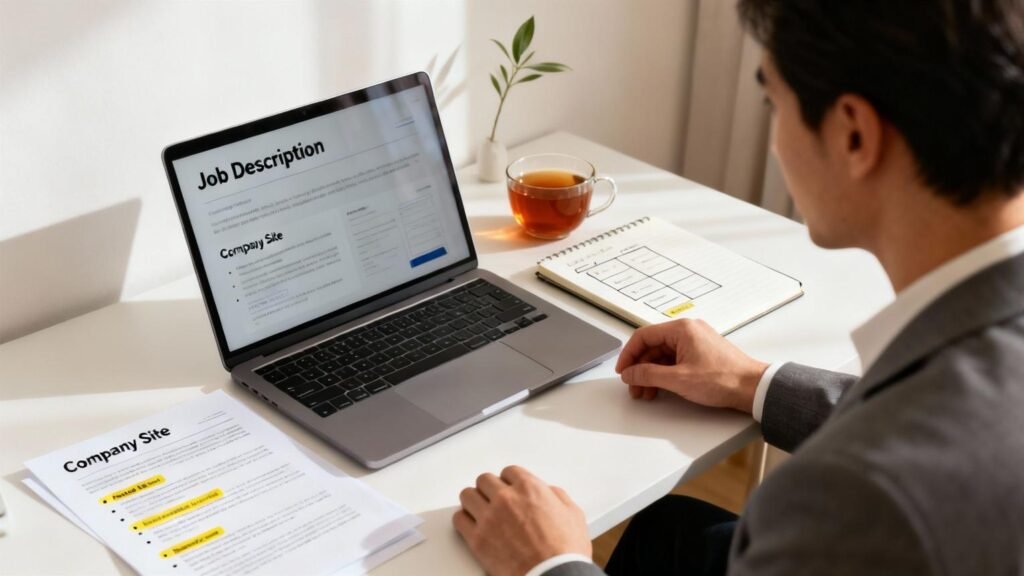
A job description tells you what an employer expects from a candidate. It usually includes responsibilities, required skills, experience and other details about the position.
Read it more than once and identify the skills that match your background. Think about examples from your education, previous work or personal projects that show you can handle those responsibilities.
For example, if the role requires communication skills, prepare an example of a time when you worked with a team or explained an idea clearly.
This will help you give practical answers instead of making general statements about your abilities.
3. Prepare Answers to Common Questions
Most interviews include a few common questions. These may include introducing yourself, explaining your strengths, discussing your experience and sharing why you want the job.
Prepare simple answers in advance, but avoid memorising them word for word. Memorised responses can sound unnatural if the interviewer asks the same question in a different way.
For the question about yourself, focus on your education, relevant experience, skills and career interests. Keep your answer clear and connected to the job.
You can also prepare examples that explain how you solved a problem, completed a task or worked with other people.
4. Choose Your Clothes a Day Earlier
Your clothes should look neat and suit the type of workplace you are visiting. You do not always need an expensive formal outfit. Clean, well-fitted and comfortable clothing is usually a sensible choice.
For a traditional office interview, a formal shirt, trousers or a simple suit may work well. For a creative or less formal workplace, smart casual clothing may be suitable.
Check your clothes the previous evening. Make sure they are clean, ironed and ready to wear. Also, keep your shoes clean and choose accessories that do not distract from your overall appearance.
5. Plan Your Travel and Reach on Time
Arriving late can create unnecessary stress before an interview even begins. Traffic, parking problems and difficulty finding the office can take more time than expected.
Check the interview location in advance and estimate how long the journey will take. If you are travelling by public transport, look at the route and timings.
For an in-person interview, try to reach the location around 10 to 15 minutes early. This gives you time to find the right place, settle down and collect your thoughts.
If the interview is online, test your internet connection, camera, microphone and meeting link beforehand. Keep your device charged and choose a quiet place.
6. Keep Your Documents Ready
Forgetting an important document can make an interview day more stressful. Prepare a folder with copies of your updated resume, educational certificates and other documents requested by the employer.
If you have work samples, a portfolio or certificates related to the position, keep them ready as well. Arrange everything neatly so that you can find a document without searching through your bag.
For an online interview, save digital copies in an organised folder on your computer. Check that the files open properly and can be shared if required.
Always follow the instructions in the interview invitation about which documents to bring.
7. Prepare a Few Questions for the Interviewer
An interview is not only an opportunity for the employer to understand you. It is also your chance to learn more about the role and workplace.
Prepare two or three useful questions. You could ask about the daily responsibilities, team structure, training process or expectations during the first few months.
Avoid asking questions that are already clearly answered in the job description or company website. Listen carefully during the conversation because some of your questions may be answered naturally.
Asking relevant questions shows that you have thought about the opportunity and want to understand the position properly.
Good Preparation Can Make Interviews Easier
Feeling nervous before a job interview is normal, especially when the opportunity matters to you. However, preparation can help you feel more organised and confident.
Learn about the company, understand the job requirements, practise your answers and keep your documents ready. Small details such as clean clothes, timely arrival and a working internet connection can also make the experience smoother.
Remember that an interview is a professional conversation, not a test of perfection. Be honest about your skills, listen carefully and explain your thoughts clearly. A calm and prepared approach can help you present yourself in the best possible way.