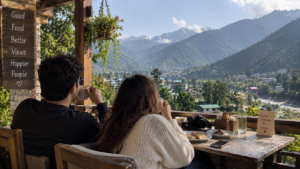
Summer has traditionally been the season for big holidays. But that pattern is changing. September, October and November are becoming a more attractive window for travellers who want a slower trip, fewer crowds and a different kind of holiday.
The trend has even picked up a name: “fallcation”. Recent travel industry coverage shows that bookings for autumn trips are rising, with young couples among the groups driving interest. Virtuoso reported a 59% year-on-year increase in fall travel bookings, while September sales were up 77% in its data.
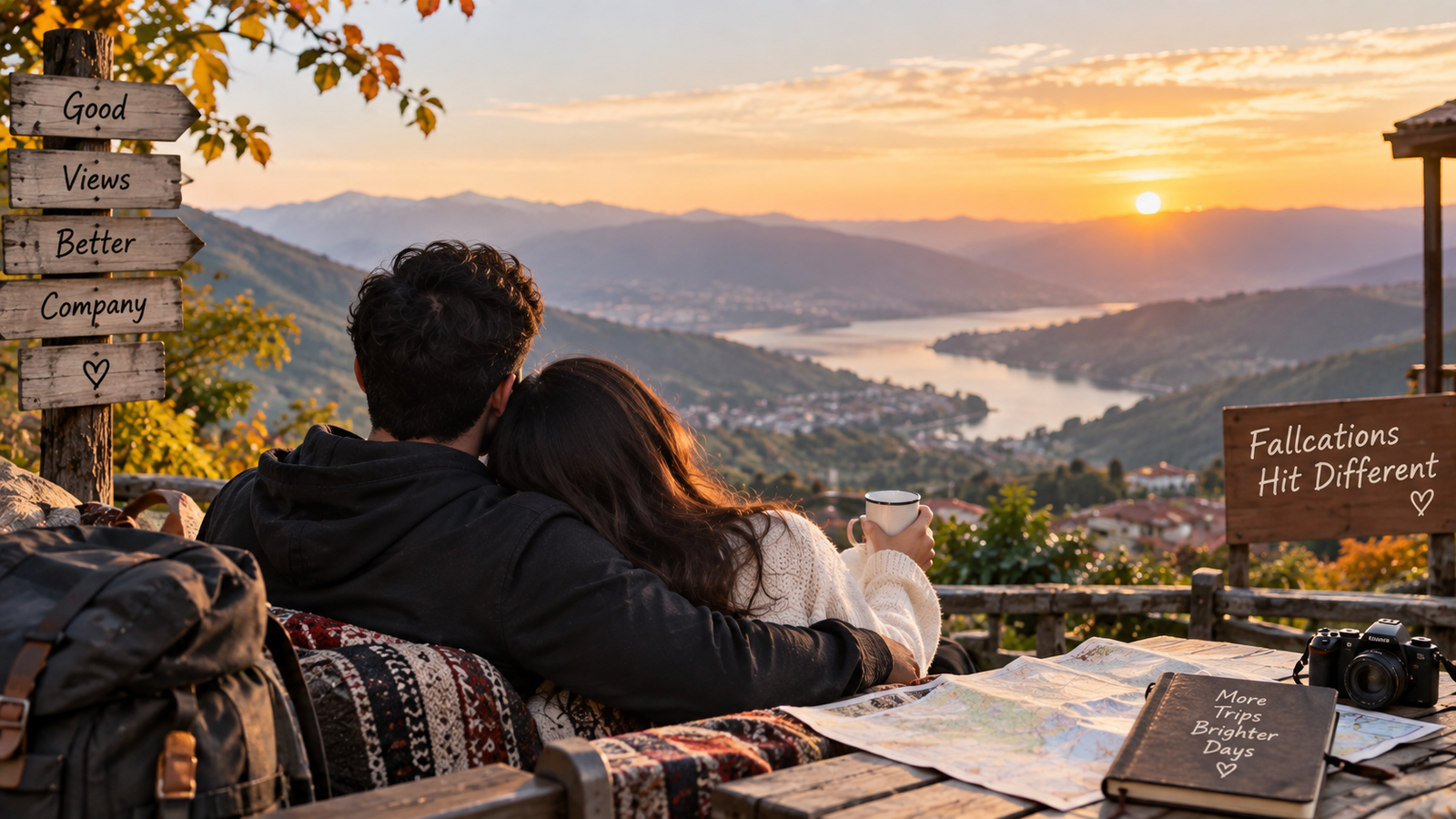
Why Couples Are Moving Their Trips to Autumn
For couples, the appeal is not simply about saving money. Autumn offers a different pace. Instead of trying to fit everything into a packed summer itinerary, couples can plan a shorter escape around food, nature, local experiences or simply having more time together.
That fits another travel shift already visible among Indian travellers. Agoda’s 2026 Travel Outlook found that 34% of Indian travellers expected their trips to be with a spouse or partner, while the average planned trip was around four to seven days. The same report points towards shorter, more meaningful breaks rather than waiting for one major annual holiday.
India is also entering an interesting travel window. As the monsoon begins to retreat from parts of the country, September can bring greener landscapes and quieter conditions in several destinations. Current travel coverage has also highlighted rising interest in slower trips to places such as Dharamshala, Rishikesh and Uttarkashi. Agoda says searches for these Himalayan destinations have grown year-on-year, reflecting interest in quieter holidays.
The New Couple Trip Is Shorter and More Personal
The idea of travelling less often but making every trip bigger is also losing some ground. Airbnb’s 2026 research on Indian Gen Z found that seven in ten prefer three short trips over one long annual holiday. It also found that three in four respondents considered who they travel with more important than where they go.
That changes the way couples can approach travel. A three- or four-day break does not need a packed schedule. It could be a quiet stay in the hills, a food-focused weekend in a heritage city, a road trip or simply a hotel with enough time to switch off from work.
The timing is important too. With autumn travel gaining momentum internationally and India’s post-monsoon season opening up more domestic options, couples no longer have to wait for December or a major celebration to plan their next escape.
For many travellers, the “fallcation” is less about chasing another viral destination and more about choosing a better moment to travel. And for couples, that could mean swapping one big holiday for smaller trips that actually fit into real life.