Choosing the right outfit is not always about buying expensive clothes or following the latest fashion trends. Sometimes, even a simple outfit can look stylish with the right fit, colour combination and accessories.
However, a few small styling mistakes can affect the overall appearance. Clothes that do not fit properly, too many accessories or mismatched footwear can make an outfit look less put together.
The good thing is that most of these mistakes are easy to fix. You do not need a completely new wardrobe to improve your everyday style. A little attention to detail can make a noticeable difference.
Here are seven common fashion mistakes you should avoid if you want your outfits to look more balanced and well-styled.
1. Wearing Clothes That Do Not Fit Properly
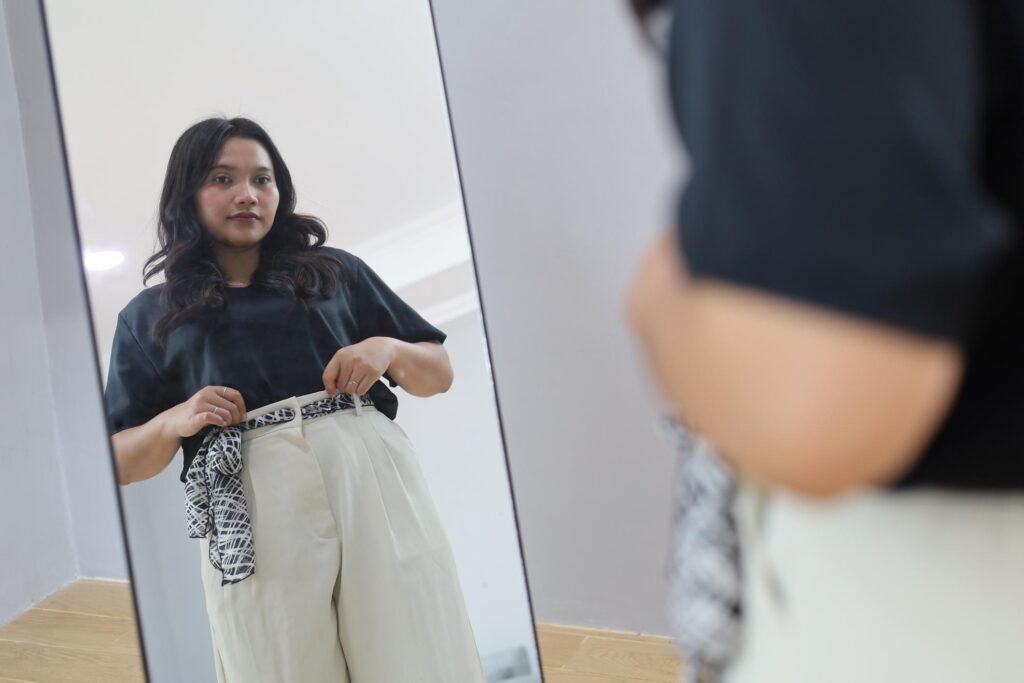
One of the most common fashion mistakes is choosing clothes that do not fit your body properly. An outfit may look attractive on a mannequin or in a photograph, but that does not mean the same fit will work for everyone.
Very tight clothes can feel uncomfortable, while extremely loose pieces may hide the shape of an outfit.
Pay attention to the shoulders, waist, sleeves and length of your clothes. A shirt should sit comfortably on your shoulders, and trousers should have a suitable length.
If you love an outfit but the fit is not right, consider getting it altered. Small changes can make even basic clothes look more polished.
2. Ignoring the Importance of Footwear
Footwear is often the last thing people think about while getting ready. However, the wrong shoes can change the entire look of an outfit.
For example, sports shoes may not always work with formal trousers, while heavy footwear can make a light summer outfit look unbalanced.
This does not mean you need a large shoe collection. A few useful options, such as clean white sneakers, simple flats, comfortable sandals and formal shoes, can work with many outfits.
Also, keep your footwear clean and in good condition. Dusty shoes, damaged heels or worn-out soles can make an otherwise neat outfit look unfinished.
3. Wearing Too Many Accessories
Accessories can make a simple outfit more interesting, but wearing too many at once can make the overall look feel crowded.
Large earrings, heavy necklaces, several bracelets and statement rings may compete for attention when worn together.
Instead, choose one main accessory and keep the rest simple. If you are wearing bold earrings, you can skip a heavy necklace. If your outfit already has detailed embroidery, minimal jewellery may work better.
The idea is to let your accessories complement your clothes rather than overpower them.
4. Choosing Colours Without Considering the Overall Look
Colours play an important role in styling. Sometimes, people choose separate pieces that look good individually but do not work well together.
A simple way to avoid this mistake is to build outfits around two or three main colours. Neutral shades such as white, black, beige, navy and grey are easy to combine with brighter colours.
You can also use one colourful piece as the main focus of your outfit. For example, a bright top can be paired with neutral trousers and simple footwear.
Do not feel that every item must match perfectly. Focus on creating a balanced combination that feels comfortable to wear.
5. Forgetting to Check Clothes Before Wearing Them
Small details can make a big difference to your appearance. Wrinkled shirts, loose buttons, visible stains and loose threads can make clothes look untidy.
Before leaving home, take a quick look at your outfit in natural light. Check whether your clothes are clean, properly ironed and free from visible marks.
It is also useful to check the condition of zips, buttons and seams from time to time.
Keeping clothes ready in advance can save time, especially when you have to leave early for work, college or an event.
6. Following Every Fashion Trend
Fashion trends change quickly, especially on social media. A style that becomes popular today may disappear from everyone’s feed within a few months.
Trying new trends can be fun, but following every trend may lead to unnecessary shopping and outfits that do not suit your personal style.
Instead, choose trends that match your comfort, lifestyle and existing wardrobe.
You can introduce a trend through a small accessory, a new colour or one statement clothing item. There is no need to replace your entire wardrobe every season.
Personal style becomes stronger when you understand what you enjoy wearing.
7. Choosing Style Over Comfort
An outfit may look beautiful, but if you cannot sit, walk or move comfortably in it, it may not be the right choice for the occasion.
Very tight footwear, uncomfortable fabrics and clothes that require constant adjustment can make it difficult to enjoy your day.
Before wearing something new, try it at home. Walk around, sit down and check whether it feels comfortable.
Also, consider the weather and the activities planned for the day. Breathable fabrics may be more suitable for hot weather, while comfortable layers can help during colder months.
Looking stylish should not mean feeling uncomfortable throughout the day.
Small Styling Changes Can Make a Big Difference
Looking well-dressed does not require expensive brands or a wardrobe full of new clothes. The way you choose, combine and maintain your outfits often matters more.
Focus on proper fitting, suitable footwear, simple accessories and colours that work well together. Most importantly, wear clothes that make you feel comfortable and confident.
Avoiding these common fashion mistakes can help you make better use of the clothes you already own and develop a personal style that feels natural.