Food is an important part of every household, but a surprising amount of it can go to waste because of poor planning, extra cooking or improper storage. Leftover rice, unused vegetables, half-cut fruits and food kept in the refrigerator for too long are common examples.
Reducing food waste does not mean eating less or giving up your favourite dishes. It simply means buying, cooking and storing food more carefully.
Small changes in everyday habits can help families make better use of groceries, save money and avoid throwing away food that could have been eaten.
You do not need expensive containers or complicated kitchen methods to get started. A little planning and attention can make a difference.
Here are seven easy ways to reduce food waste at home.
1. Plan Your Meals Before Buying Groceries
One common reason for food waste is buying more groceries than the family can use. Fresh vegetables, fruits and dairy products may spoil when they remain unused for several days.
Before going shopping, check what is already available in your kitchen. Look inside the refrigerator, storage shelves and vegetable basket.
Make a simple list of the meals you plan to prepare during the next few days. Then buy only the ingredients you need.
For example, if you already have potatoes, onions and tomatoes, plan meals that use these ingredients before purchasing more.
A shopping list can also help you avoid buying unnecessary products simply because they look attractive in the store.
2. Store Fruits and Vegetables Properly
Fresh fruits and vegetables can lose their quality quickly if they are not stored correctly. Some items need refrigeration, while others are better kept in a cool and dry place.
For example, leafy vegetables should be stored carefully in the refrigerator. Potatoes and onions are generally better kept in a dry, well-ventilated area rather than in a damp place.
Avoid washing all fruits and vegetables immediately after shopping unless you plan to use them. Extra moisture can affect how long some produce stays fresh.
It is also useful to keep fruits and vegetables separate when needed, as certain fruits release natural gases that can make nearby produce ripen faster.
Checking storage instructions for different foods can help you use them before they spoil.
3. Cook According to Your Family’s Needs
Cooking too much food is another common reason for waste. Preparing large quantities may seem convenient, but extra food often remains untouched after meals.
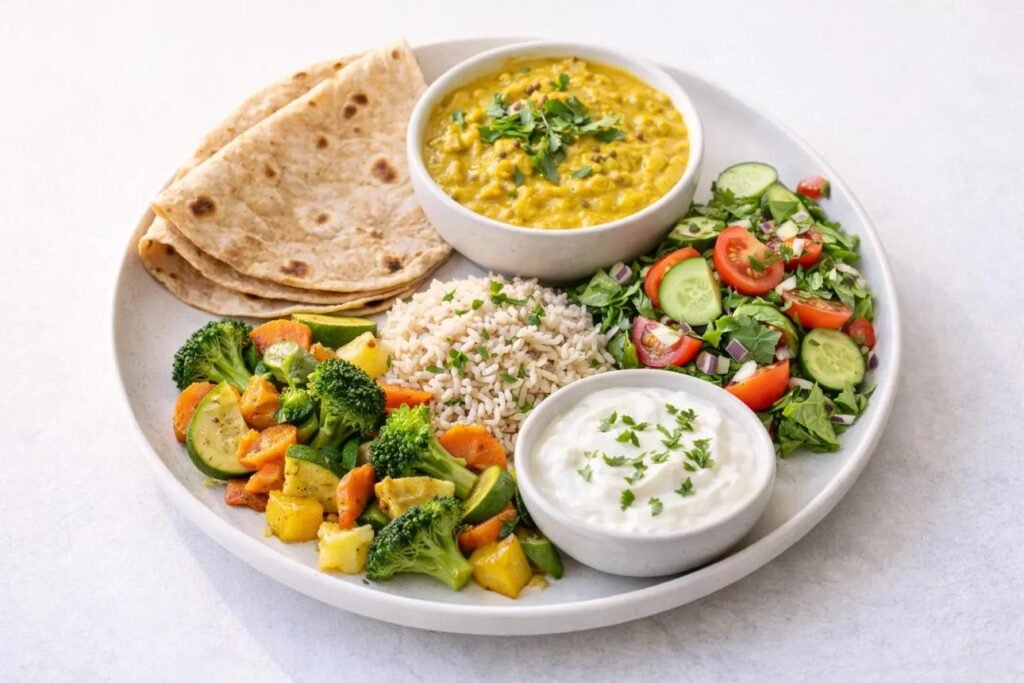
Try to understand how much your family usually eats. If you are cooking rice, dal or vegetables, prepare quantities according to the number of people and their usual portions.
For special occasions or family gatherings, estimate the number of guests before deciding how much food to prepare.
You can always cook a little more if required. However, making smaller quantities first can help prevent unnecessary leftovers.
4. Use Leftovers in New Dishes
Leftover food does not always need to be thrown away. Many ingredients can be used in simple dishes the next day, provided they have been stored safely.
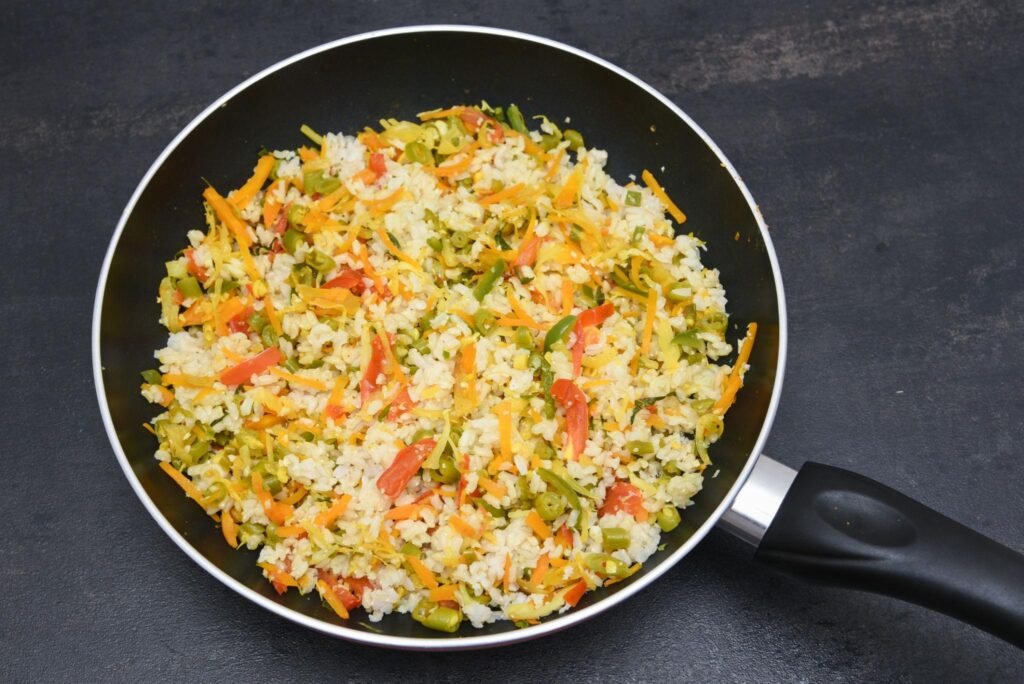
For example, leftover rice can be used to prepare vegetable fried rice. Extra cooked vegetables can be added to sandwiches, wraps or parathas.
You can also use leftover dal in a new meal by preparing dal paratha or adding it to a suitable homemade dish.
The important thing is to refrigerate perishable leftovers promptly, store them in covered containers and reheat them properly before eating. Do not use food that smells unusual, shows signs of spoilage or has been stored for too long.
5. Understand Food Labels and Expiry Dates
Many people throw away food because they do not understand the dates printed on packages.
Words such as best before and use by can have different meanings. A best-before date generally relates to the quality of a product, while a use-by date is linked to safety and should be followed carefully.
Always read the storage instructions on packaged food. Keep an eye on products that need refrigeration and avoid consuming food after its safety date.
It is also helpful to arrange groceries so that older products are used first. This reduces the chance of finding forgotten packets at the back of a cupboard.
6. Freeze Food That You Cannot Use Soon
Freezing can be a useful way to preserve certain foods when you know you will not use them immediately.
For example, bread can be frozen if you have purchased more than needed. Some fruits can also be frozen for smoothies or other recipes.
Cooked food can be frozen in suitable portions, depending on the type of dish and safe storage guidance.
Use clean, airtight, freezer-safe containers and label them with the date. This makes it easier to identify what needs to be used first.
However, not every food freezes well. Check suitable storage guidance before freezing items, and avoid repeatedly thawing and refreezing the same food.
7. Serve Smaller Portions First
Serving too much food at once can lead to leftovers on plates. A simple way to avoid this is to start with smaller portions.
Family members can take more food if they are still hungry. This approach is especially useful when children are eating or when different people have different appetites.
You can also serve food in separate bowls instead of filling everyone’s plate in advance. This gives people more control over how much they want to eat.
Encouraging children to take manageable portions can also help them understand the importance of respecting food.
Small Kitchen Habits Can Make a Big Difference
Reducing food waste does not require major changes. Planning meals, storing groceries properly and using leftovers are simple habits that can become part of everyday life.
These steps can help families make better use of their food budget while avoiding unnecessary waste.
Start with one change, such as checking your refrigerator before shopping or preparing smaller portions at dinner. Over time, these small efforts can make your kitchen more organised and help you treat food with greater care.