
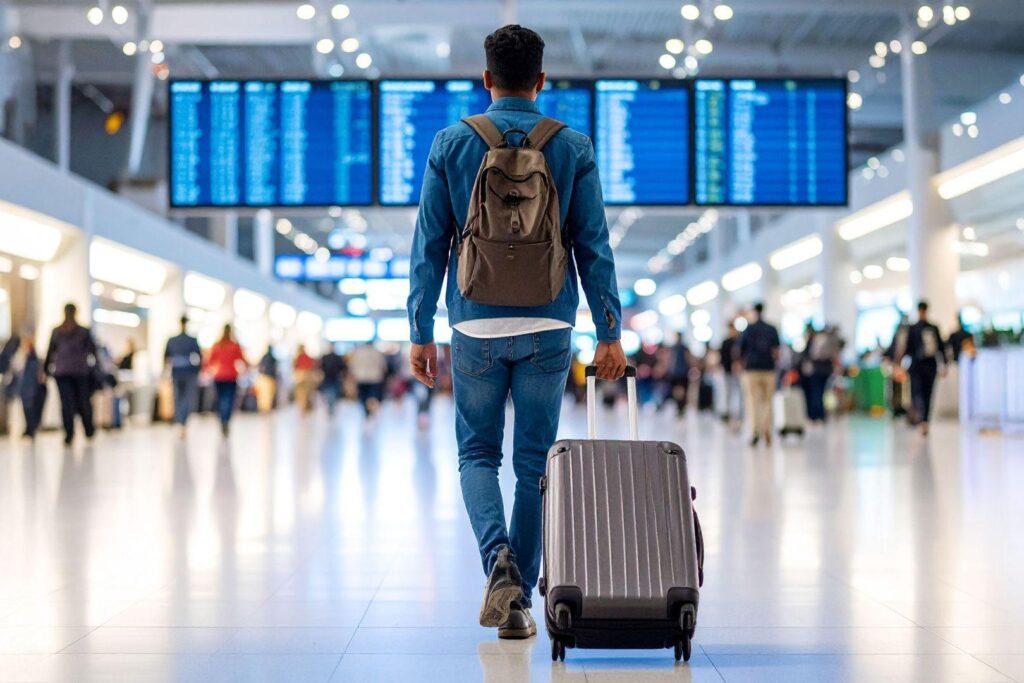
Taking your first international flight can be an exciting experience. Whether you are travelling for a holiday, work, studies or to meet family, visiting another country brings plenty of new experiences.
However, international air travel also involves more preparation than a domestic journey. From checking passport details to understanding baggage rules, there are several things you should take care of before reaching the airport.
First-time travellers may feel confused about immigration, security checks, boarding procedures and currency requirements. A little planning can make the entire experience easier and help you avoid last-minute problems.
If you are preparing for your first overseas journey, here are seven useful tips to keep in mind.
1. Check Your Passport and Visa Requirements
Your passport is one of the most important documents for international travel. Before booking or starting your journey, check its expiry date and make sure it meets the entry requirements of your destination.
Many countries require passports to remain valid for a certain period beyond the planned date of arrival. The exact rule depends on the country, so check the official immigration website before travelling.
You should also understand the visa requirements. Some destinations require travellers to apply for a visa in advance, while others may offer an electronic visa or visa-on-arrival facility for eligible visitors.
Keep a copy of your passport, visa and important travel documents in a separate place. Digital copies can also be useful, but they should not replace the original documents.
2. Reach the Airport Well in Advance
International flights usually involve several steps before boarding. You may need to complete check-in, baggage drop, immigration and security procedures.
Reaching the airport early gives you enough time to complete these steps without rushing. Airlines generally recommend arriving around three hours before an international departure, but always check the guidance provided by your airline and airport.
Keep your ticket and passport easily accessible when entering the airport.
If you are travelling during a busy holiday season, allow extra time for traffic and longer queues. It is better to wait comfortably at the airport than to risk missing your flight.
3. Understand Your Airline’s Baggage Rules
Baggage rules can vary between airlines, ticket types and travel routes. Before packing, check the permitted weight and size for both checked-in luggage and cabin baggage.
Some tickets include a checked bag, while others may have limited baggage allowances. Extra luggage can also lead to additional charges.
Pay attention to items that are not allowed in cabin baggage. Liquids, sharp objects, batteries and electronic equipment may have specific rules.
Keep essential items such as travel documents, medicines prescribed to you, a phone charger and a change of clothes in your cabin bag. Avoid placing valuable items in checked luggage.
4. Keep Important Travel Documents Together
Searching through different bags for documents can become stressful at the airport. Keep your passport, visa, flight ticket, hotel booking details and travel insurance information in one organised folder.
You may also need to show proof of onward or return travel and accommodation details, depending on the destination’s entry rules.
Save digital copies on your phone and keep access available even without an internet connection.
If you are travelling for work or studies, carry any additional documents requested by the relevant institution or authorities.
Having everything ready can make check-in and immigration procedures easier.
5. Plan Your Currency and Payment Options
You may need local currency for transport, food and small purchases after reaching your destination.
Before leaving, check the currency used in the country you are visiting. You can exchange some money in advance through authorised providers or explore other permitted options.
It is also useful to check whether your debit or credit card works internationally. Ask your bank about foreign transaction charges, withdrawal fees and any travel-related settings.
Avoid carrying all your money in one place. Keep cash, cards and important documents separately.
Understanding local payment options before departure can help you manage expenses more comfortably.
6. Check Your Phone and Internet Access
Your phone can be useful for navigation, hotel bookings, communication and accessing travel documents.
Before travelling, check international roaming plans offered by your mobile network. You can also explore local SIM cards or eSIM options if your phone supports them.
Download offline maps and save important addresses, including your hotel and airport transfer details.
Make sure your phone is charged before leaving. Carry a suitable charger and power bank, while checking the airline’s rules for carrying batteries in cabin baggage.
Also, check whether you need a travel adapter for the electrical sockets used at your destination.
7. Understand Airport and Immigration Procedures
For first-time international travellers, immigration may seem confusing, but the process is generally straightforward when you are prepared.
Follow the airport signs and proceed to the correct immigration counter after completing the required departure formalities.
An immigration officer may ask about your destination, purpose of travel, length of stay and accommodation. Answer clearly and honestly.
After reaching your destination, follow the signs for immigration, baggage collection and customs. Keep your passport and other required documents ready.
Do not carry items that are prohibited or restricted by the destination country’s customs rules. Check the official guidelines before packing.
Make Your First International Journey Easier
Your first international flight does not have to be stressful. Most travel difficulties can be avoided by checking documents, understanding baggage rules and reaching the airport on time.
Prepare your essentials a day before departure and keep important information easy to access. Also, check the latest instructions from your airline and the official authorities of your destination, as travel requirements can change.
With a little preparation, you can spend less time worrying about airport formalities and more time enjoying the experience of visiting a new country.