
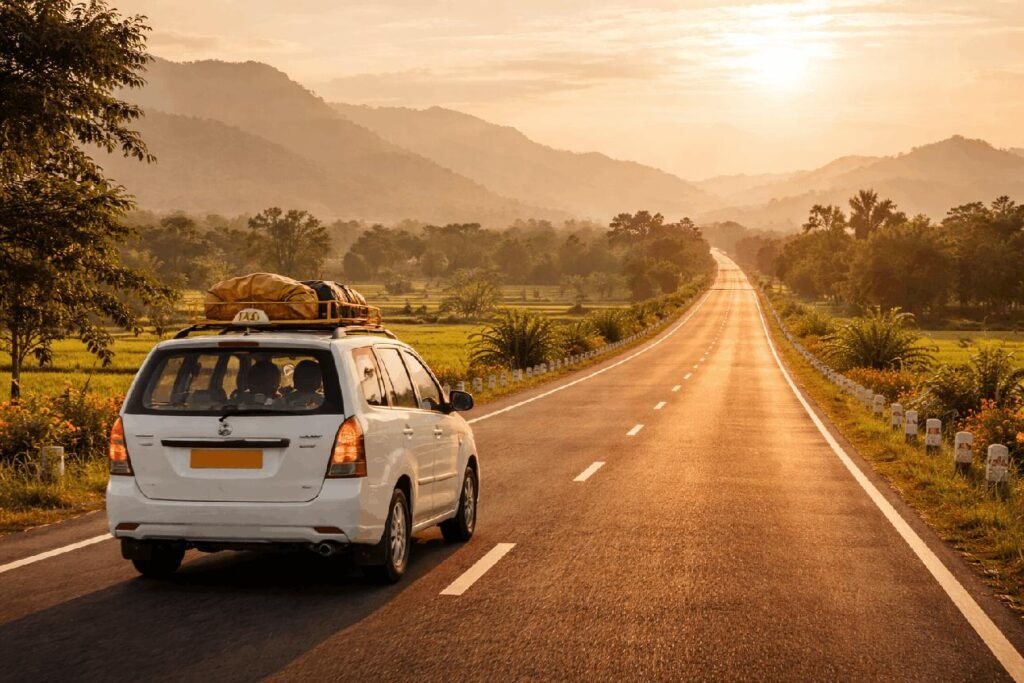
A road trip can be a wonderful way to explore new places, spend time with family and enjoy the journey at your own pace. Unlike air or train travel, travelling by car gives you the freedom to stop at interesting locations, try local food and change your plans along the way.
However, a good road trip needs more than a full fuel tank and a travel playlist. Poor planning, an unprepared vehicle or an overloaded schedule can make the journey tiring.
Whether you are travelling with friends, your partner or family, a few simple preparations can help you avoid common problems. Before starting your next road trip, keep these seven important things in mind.
1. Get Your Vehicle Checked Before Leaving
Your vehicle should be ready for the distance you plan to cover. Before leaving, check the tyres, brakes, headlights, indicators and windshield wipers.
Make sure the tyre pressure is correct, including the spare tyre. Check the engine oil, coolant and other important fluids. If your vehicle is due for servicing, get it inspected before the journey.
It is also useful to keep basic emergency items such as a spare tyre, jack, warning triangle and tyre inflator.
If you are travelling in your own car, do not ignore unusual sounds or warning lights. Get them checked instead of waiting until you are on the highway.
2. Plan Your Route in Advance
Choosing your destination is only the first step. You should also understand the route, road conditions and possible stops along the way.
Use a reliable navigation app to check the main route and keep an alternative route in mind. Some roads may have construction work, diversions or traffic delays.
If you are travelling through unfamiliar areas, check whether fuel stations, restaurants and restrooms are available along the route.
Download offline maps before leaving, especially if you expect to travel through areas with weak mobile network coverage.
You can still enjoy spontaneous stops, but having a basic route plan makes the journey easier to manage.
3. Avoid Planning Too Many Stops
It is tempting to include every famous attraction in your road trip itinerary. However, trying to visit too many places in a short time can make the journey stressful.
Instead, choose a few locations that genuinely interest you. Give yourself enough time to enjoy each stop without constantly checking the clock.
Remember to include breaks for meals, restrooms and stretching your legs. If you are travelling with children or older family members, you may need more frequent stops.
A relaxed schedule often makes a road trip more enjoyable than a packed itinerary.
4. Pack Smartly and Keep Essentials Accessible
Packing too much luggage can reduce space inside the vehicle and make it difficult to find important items during the journey.
Prepare a packing list according to the weather, number of travel days and activities planned. Carry comfortable clothes, footwear, toiletries and any personal items you may need.
Keep frequently used things in an easily accessible bag. This can include drinking water, snacks, tissues, sunglasses, phone chargers and a power bank.
Important documents should also be kept safely. Carry your driving licence, vehicle registration certificate, insurance papers and other required documents.
Avoid placing heavy luggage loosely inside the passenger area.
5. Check Fuel Stations and Food Stops
Do not assume that fuel stations and restaurants will be available whenever you need them. This is particularly important when travelling through remote or less populated areas.
Check fuel stops along your route and refuel when necessary rather than waiting until the tank is almost empty.
You can also identify a few clean and convenient places for meals. Carry some simple snacks and drinking water for unexpected delays.
If you have specific food preferences or are travelling with children, planning meal stops in advance can save time.
6. Share Driving Responsibilities and Take Breaks
Long hours behind the wheel can make a driver tired. If more than one person in your group is legally allowed and comfortable to drive, consider sharing driving responsibilities.
Take regular breaks during long journeys. Stop at a safe and suitable location, walk around and get some rest before continuing.
Avoid driving when sleepy or distracted. Keep your phone away while driving and use navigation instructions safely.
Passengers can help by managing music, directions and other small tasks so that the driver can focus on the road.
Reaching your destination safely is more important than saving a few minutes.
7. Keep Emergency Contacts and Backup Plans Ready
Unexpected situations can happen during any journey. A vehicle problem, sudden weather change or route closure may affect your plans.
Keep important contact numbers saved on your phone and written somewhere accessible. These may include roadside assistance, your vehicle insurance provider and emergency contacts.
Carry a basic first-aid kit and a torch. If you are travelling to a remote location, inform someone about your route and expected arrival time.
Also, keep some extra time in your schedule. A backup plan can help you manage delays without feeling rushed.
Enjoy the Journey, Not Just the Destination
A successful road trip is not only about reaching a particular place. It is also about the experiences, conversations and unexpected discoveries along the way.
Before leaving, check your vehicle, plan your route, pack carefully and allow enough time for rest. These simple steps can help make the journey more comfortable for everyone.
Most importantly, follow traffic rules, respect local road conditions and avoid rushing. A little preparation can turn an ordinary drive into a memorable travel experience.