Eating healthy does not always mean following a strict diet or giving up your favourite foods. Small changes in everyday meals can make a difference to the way you eat and help you build better food habits over time.
Many people want to eat better but find it difficult to make big changes. Busy schedules, work pressure and family responsibilities can make meal planning challenging. However, you do not need complicated recipes or expensive ingredients to improve your daily meals.
Simple choices such as adding vegetables, including different food groups and reducing excess sugar can help make your plate more balanced. These habits are also easier to follow because they can become part of your normal cooking routine.
Here are seven simple ways to make everyday meals healthier without making your food boring.
1. Add More Vegetables to Your Plate
Vegetables are an important part of a balanced diet. They provide fibre, vitamins, minerals and variety to everyday meals.
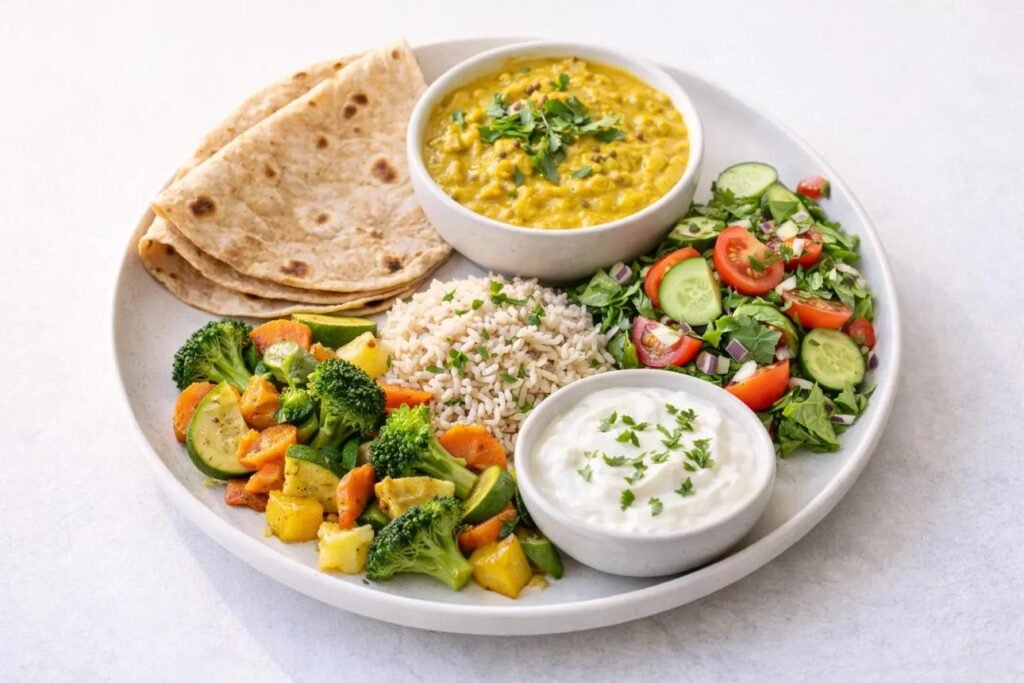
Try adding at least one vegetable dish to your lunch and dinner. You can include seasonal vegetables in sabzi, dal, pulao, sandwiches or homemade wraps.
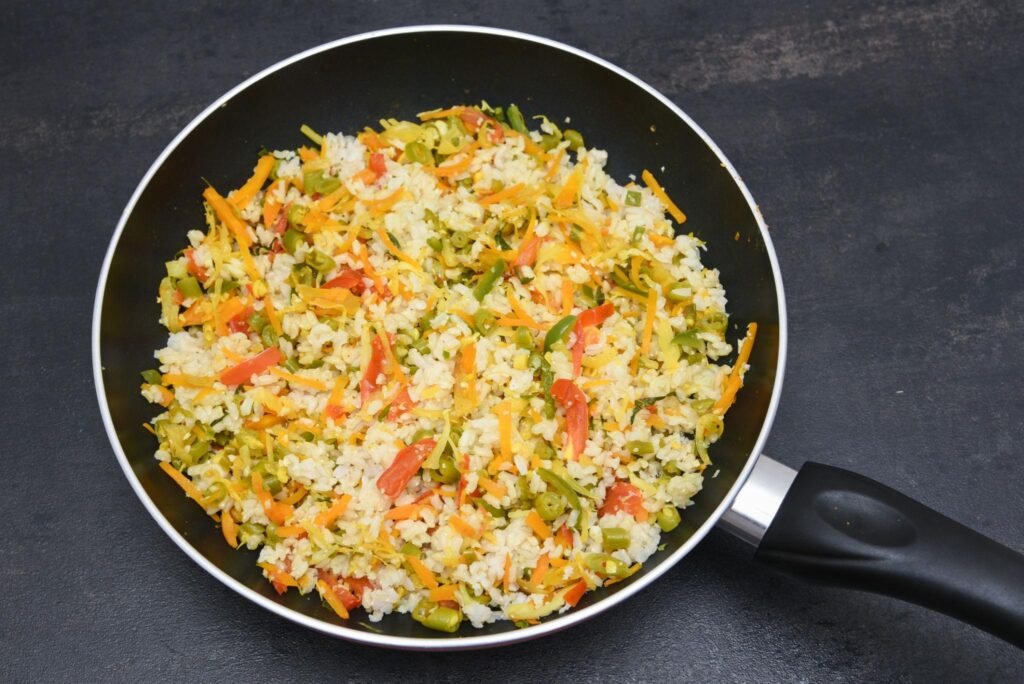
If you find it difficult to eat enough vegetables, start with small changes. Add chopped carrots, peas or beans to rice dishes. You can also prepare a simple salad with cucumber, tomato and onion.
Eating different coloured vegetables throughout the week is another easy way to bring variety to your meals.
2. Choose Whole Grains More Often
Whole grains can be a useful part of everyday meals. Foods such as whole wheat, oats, brown rice, millets and dalia offer variety and contain fibre.
Instead of changing your entire diet at once, try replacing one refined grain option with a whole grain alternative.
For example, you can have dalia for breakfast, whole wheat roti with lunch or oats as an evening snack. Millets such as jowar and bajra can also be included in regular meals.
The best choice is one that suits your taste, cooking habits and daily routine. You do not need to stop eating rice or roti to make your meals more balanced.
3. Include a Protein-Rich Food in Your Meals
Protein is an important part of a balanced diet and can be included through both vegetarian and non-vegetarian foods.
Vegetarian options include dal, chickpeas, kidney beans, paneer, curd, soybeans and other pulses. Eggs, fish and chicken are also options for people who eat them.
Try to include a protein-rich food in your main meals. You can add dal to lunch, enjoy curd with your meal or prepare a chickpea salad for an evening snack.
Using different protein sources throughout the week can also make your food more interesting.
4. Eat Fresh Fruits Instead of Sugary Snacks
Fruits are a simple way to add natural sweetness and variety to your diet. They provide fibre, water and different nutrients.
Keep seasonal fruits such as bananas, apples, oranges, guavas and papayas available at home. You can eat them between meals or include them with breakfast.
When you feel like having something sweet, a whole fruit can be a convenient option instead of packaged sweets or sugary snacks.
Try to eat whole fruits more often rather than depending only on fruit juices. Whole fruits contain fibre that may be reduced when the fruit is juiced.
5. Reduce Extra Sugar in Everyday Food
Many people consume added sugar through tea, coffee, biscuits, packaged drinks and desserts without paying much attention to the quantity.
You do not have to remove every sweet food from your routine. Start by making small changes.
If you usually add two spoons of sugar to tea, try using a little less. Choose plain water more often instead of sweetened drinks. You can also check food labels to understand how much added sugar packaged products contain.
These simple steps can help you become more aware of your daily sugar intake.
6. Use Less Oil While Cooking
Oil is commonly used in Indian cooking, from preparing vegetables to making snacks and curries. However, using more oil than needed can make meals heavier.
Try measuring the oil instead of pouring it directly from the bottle. You can also use methods such as steaming, grilling, boiling and roasting for some dishes.
For example, prepare roasted vegetables instead of deep-frying them. Homemade snacks can also be cooked with less oil when suitable.
The aim is not to remove oil completely but to use it thoughtfully as part of everyday cooking.
7. Make Water a Regular Part of Your Meals
Water is an essential part of daily life, but many people forget to drink enough during busy hours.
Keep a water bottle near your workspace or dining area. Drink water regularly throughout the day and include water-rich foods such as cucumber, watermelon and oranges in your meals.
You can also make plain water more enjoyable by adding a few mint leaves or lemon slices.
Try not to depend only on tea, coffee or packaged drinks to meet your daily fluid needs. Make plain water your regular choice.
Small Food Changes Can Build Better Habits
Making everyday meals healthier does not require a complete change in your lifestyle. Adding vegetables, choosing whole grains, including protein and eating fresh fruits are simple steps that can fit into most daily routines.
You can begin with one or two changes and slowly add more as they become comfortable. It is also fine to enjoy your favourite foods in reasonable portions.
The most useful food habits are the ones you can follow regularly. A balanced approach, along with variety and simple home-cooked meals, can make healthy eating easier and more enjoyable for the whole family.