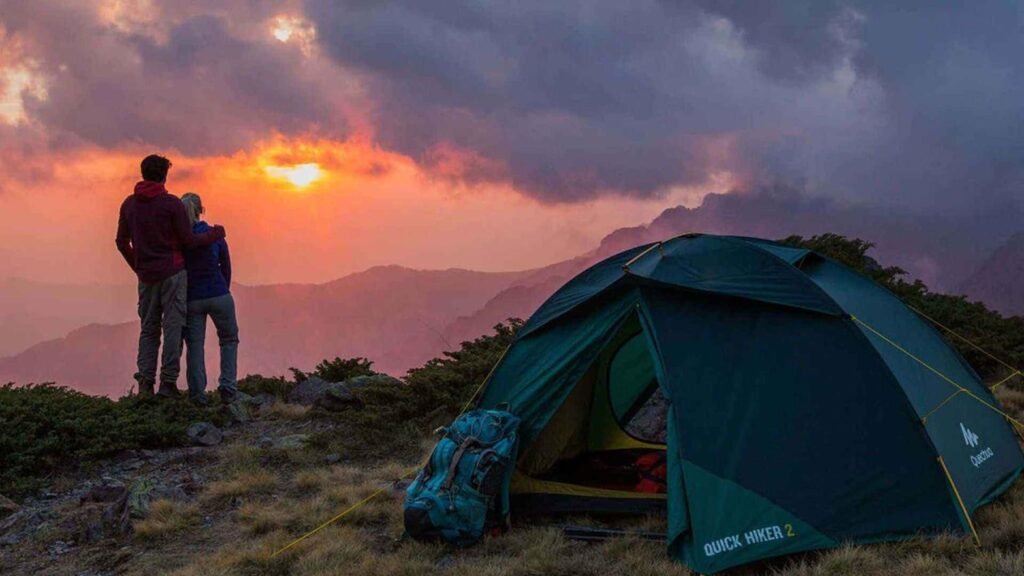
Spending a night under the open sky, waking up to fresh air and enjoying a quiet morning away from busy roads can make camping a memorable experience. It is also a chance to spend time with friends or family without following a packed holiday schedule.
However, a camping trip needs a little more preparation than a regular hotel holiday. You may have to arrange your own sleeping space, food, drinking water and other basic requirements. If you forget something important, even a short outdoor stay can become uncomfortable.
For first-time campers, the best approach is to keep things simple. You do not need expensive equipment or a complicated plan to enjoy your first outdoor adventure.
Here are seven useful things to consider before planning your first camping trip.
1. Choose a Suitable Camping Location
The location can make a big difference to your first camping experience. Instead of choosing a remote place, look for a campsite that is easy to reach and has basic facilities.
A managed campsite can be a good option for beginners. Such places may offer toilets, drinking water, designated tent areas and staff who can help visitors.
Check the distance from the nearest town, road access and mobile network availability before making a booking. Also read recent visitor reviews to understand the actual conditions.
If you are camping in a forest, hill area or near a river, follow local rules. Avoid setting up your tent in restricted areas or places where camping is not permitted.
2. Check the Weather Before Leaving
Weather conditions can change your entire camping experience. A sunny afternoon may turn into a cold night, while unexpected rain can make it difficult to stay outdoors.
Check the forecast for your camping dates and destination. Pay attention to expected rainfall, temperature, wind and local weather warnings.
Pack clothes according to the conditions. Even during warmer months, nights can feel cold in some hill regions. A light jacket or warm layer can be useful.
If heavy rain, storms or strong winds are expected, consider changing your plans. It is better to postpone a trip than take unnecessary risks.
3. Carry the Right Camping Equipment
You do not need to buy every camping product available in the market. Start with the basic equipment required for your chosen campsite.
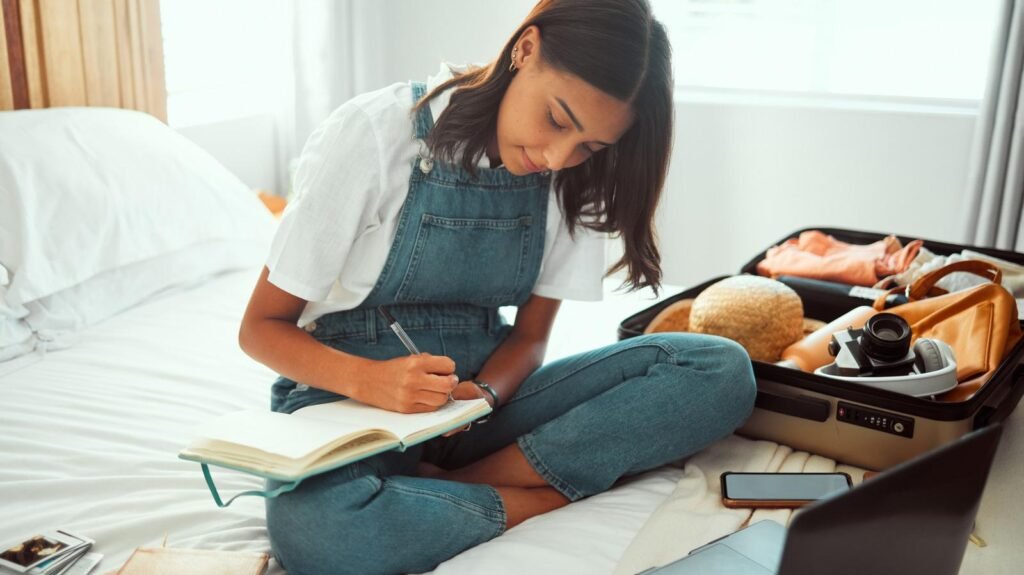
A suitable tent, sleeping bag or bedding, torch, power bank and comfortable backpack are useful items. If you are staying at a managed campsite, check what is already provided before packing.
Make sure your tent is suitable for the expected weather. Practise setting it up at home if you have never used one before.
Keep a small repair kit with useful items such as extra tent pegs, tape and a basic tool. These can help with minor problems during the trip.
4. Plan Your Food and Drinking Water
Food planning is an important part of camping. Choose meals that are easy to carry, prepare and store.
Dry snacks, fruits, sandwiches and ready-to-eat food can be convenient for short trips. If cooking is allowed at your campsite, check the rules and carry only the equipment you need.
Do not assume that drinking water will always be available. Confirm the arrangements with the campsite and carry enough safe drinking water for the journey and your stay.
Store food properly and keep it away from animals. Never leave food packets or leftovers lying around the campsite.
5. Pack Clothes and Personal Essentials
Camping usually involves walking, sitting outdoors and dealing with changing temperatures. Choose comfortable clothes that suit the location and planned activities.
Carry an extra pair of socks, comfortable shoes, a rain jacket if needed and a warm layer for the night. Avoid packing too many outfits that you may not use.
Personal essentials such as sunscreen, insect repellent, hand sanitiser, tissues and a small towel can also be useful.
Keep important items inside waterproof bags, especially if rain is possible. Pack your phone, documents and other valuables in a secure place.
6. Understand the Safety Rules
Before reaching the campsite, learn about the local rules and emergency arrangements. Ask the campsite staff about restricted areas, wildlife warnings and the nearest help point.
If you are camping in a group, share the basic plan with everyone. Keep emergency contact numbers available and make sure your phone is charged.
Never light a fire unless the campsite allows it and provides a safe place for doing so. Do not leave a fire unattended, and make sure it is fully put out according to local instructions.
Avoid walking into unfamiliar areas after dark. Carry a torch and stay with your group, especially in places with limited lighting.
7. Keep Your Camping Plan Simple
First-time campers often make the mistake of planning too many activities. They may try to include trekking, sightseeing, cooking, photography and several other plans in a short stay.
Instead, leave enough time to enjoy the campsite. You can take a short walk, watch the sunset, play simple outdoor games or spend time talking with your group.
Follow the campsite’s check-in and check-out timings. Keep your belongings organised so that packing up does not become stressful.
Most importantly, respect the natural surroundings. Do not leave plastic, food waste or other rubbish behind. Use the bins provided and avoid disturbing plants and wildlife.
Enjoy Your First Camping Experience With Better Planning
A successful camping trip is not about carrying expensive equipment or visiting the most remote location. It is about choosing a suitable place, preparing for the weather and taking care of basic needs.
Start with a short trip to a managed campsite and learn what works for you. Once you become comfortable with outdoor stays, you can explore more challenging camping experiences.
With sensible planning and respect for nature, your first camping trip can become a simple and enjoyable break from everyday life.