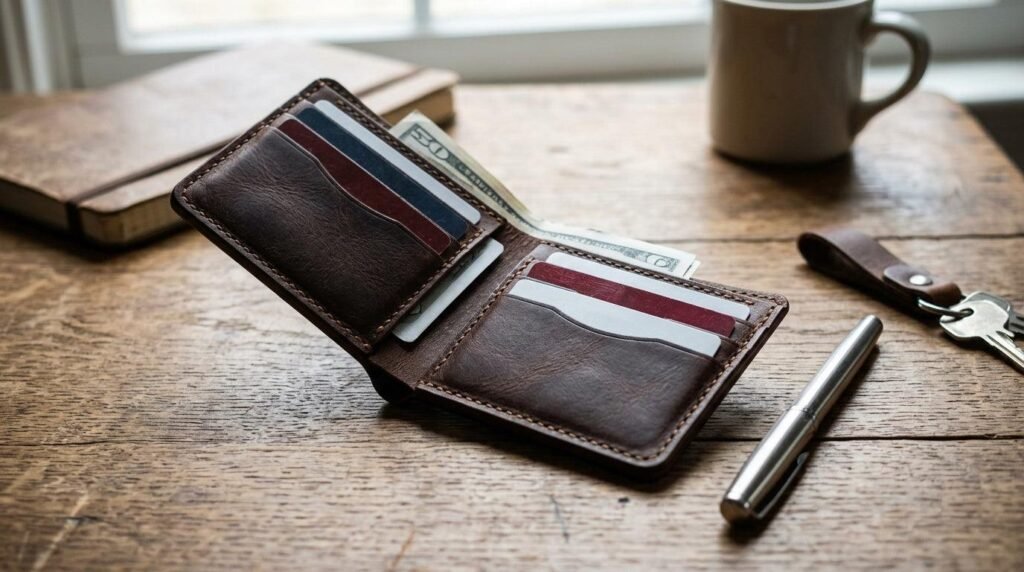
A wallet is one of the most useful things we carry every day. It keeps our cash, cards and important documents in one place. However, many people keep adding things to their wallets without checking what is already inside.
Old bills, unused cards, shopping receipts and small pieces of paper can slowly make a wallet heavy and messy. More importantly, carrying certain personal details can create problems if the wallet is lost or stolen.
Keeping your wallet organised does not take much time. A few simple changes can help you carry only what you need and make everyday payments easier.
Here are seven things to keep out of your wallet.
1. Old Shopping Receipts
Shopping receipts are among the most common items people forget to remove from their wallets. After buying groceries, clothes or other products, many people fold the bills and keep them inside.
A few receipts may not seem like a problem, but they can quickly take up space. Some receipts also contain personal information or details about your purchases.
Instead of keeping every bill, remove the ones you no longer need. If you have purchased something that may need to be returned, keep that receipt in a separate folder at home until the return period is over.
You can also choose digital receipts whenever stores offer them.
2. Unused Debit and Credit Cards
Many people carry several cards even when they use only one or two regularly. Old bank cards, expired cards and unused membership cards can make a wallet unnecessarily thick.
Take some time to check every card in your wallet. Remove expired cards and those you no longer use.
If you have multiple payment cards, carry only the ones you regularly need. Keep the others safely at home.
This simple habit also makes it easier to find the right card when you are making a payment.
3. Passwords Written on Small Papers
Some people write their passwords, PINs or login details on small pieces of paper and keep them inside their wallets. They may do this because they are worried about forgetting important information.
However, this can create a serious privacy risk. If someone finds your wallet, they may also get access to details that should remain private.
Never keep your ATM PIN, phone password, banking password or other login information written inside your wallet.
Use a trusted password manager or another secure method to store such details. Avoid writing sensitive information on loose paper that can easily get lost.
4. Too Much Cash
Carrying some cash is useful, especially when visiting local shops, travelling or paying for small services. However, keeping a large amount of money in your everyday wallet may not be necessary.
If your wallet gets lost, you could lose all the cash kept inside it.
Carry an amount that suits your daily needs instead of keeping all your available cash in one place. You can keep emergency money separately in a safe location.
It is also a good idea to check your cash before leaving home so that you know how much you are carrying.
5. Expired Identity Cards and Passes
Old travel passes, expired office access cards and outdated membership cards can remain in wallets for months.
These items may not be useful anymore, but people often forget to remove them. As a result, their wallets become crowded with cards they no longer need.
Check the dates and details on the cards you carry. Remove expired passes and replace outdated documents when required.
However, do not throw away important identity documents without checking whether you still need them for official purposes.
6. Loose Coins and Unnecessary Small Items
Coins are useful for small payments, but carrying too many can make a wallet heavy and uncomfortable.
Some people also keep paper clips, old tokens, shopping coupons and other small objects inside their wallets. These items often remain there long after they have served their purpose.
Keep only the coins and small items you are likely to use. Remove old coupons after checking their expiry dates.
If you regularly need coins, consider using a small coin pouch instead of filling every section of your wallet.
7. Extra Personal Documents
Your wallet should not become a storage place for every personal document you own.
Old appointment slips, extra photographs, photocopies of identity documents and papers with personal details may not need to be carried every day.
The more unnecessary personal information you carry, the more you may have to worry about if your wallet goes missing.
Keep important documents in a safe place at home and carry only those required for your daily activities. If a particular document is needed for travel or an official visit, remember to remove it once the work is completed.
Make Wallet Cleaning a Regular Habit
A clean wallet is easier to use and helps you find important cards and cash without searching through unnecessary items.
You do not need to buy a new wallet to make this change. Simply check its contents once a week or whenever it starts becoming crowded.
Keep your frequently used cards in an easy-to-reach section, remove old receipts and avoid carrying sensitive information unnecessarily.
A wallet should hold the things you need during the day, not everything you have collected over time. A little attention can help keep it light, organised and more secure.